
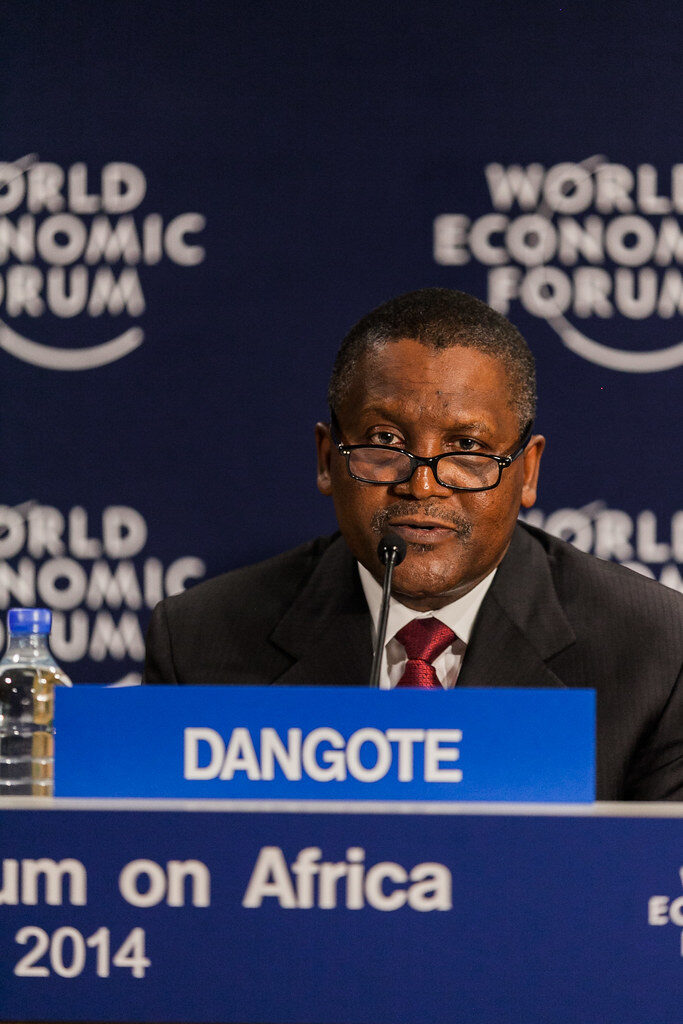
IN SHORT: Aliko Dangote is targeting a $50 billion valuation for the Dangote Petroleum Refinery IPO on the Nigerian Exchange, Bloomberg confirmed this week, with the company planning to sell up to 10% of the refinery and raise approximately $5 billion in what would be the largest public offering in African capital market history. The prospectus has been submitted to the Securities and Exchange Commission for regulatory review. The subscription window is expected to open in August 2026. The IPO features an unprecedented dollar dividend structure: investors buy shares in naira but receive returns in US dollars, backed by an estimated $6.4 billion in annual petrochemical export revenues.
The Dangote Petroleum Refinery is preparing to go public at a valuation that would rank it among the 20 most valuable companies ever listed in any emerging market, at a moment when the refinery’s strategic importance to African energy supply has never been greater and when rising global crude prices are expanding its commercial position by the week.
A senior Dangote Group executive confirmed the $50 billion valuation range to Bloomberg, describing it as aligned with the company’s current internal expectations for the business. The figure has nearly doubled from the $20-25 billion range cited in late 2025, reflecting stronger-than-expected operational performance since the refinery reached full capacity of 650,000 barrels per day in February 2026.
- The IPO would be by a significant margin the largest in African capital market history. MTN Nigeria’s 2019 listing on the Nigerian Exchange raised approximately $876 million, which was at the time the largest on that exchange. The Dangote Refinery IPO is targeting approximately $5 billion in proceeds from a 10% stake sale, roughly five to six times larger. The total market capitalisation of the entire Nigerian Exchange is currently approximately $70 billion, meaning a successful $50 billion refinery listing would instantly add more than 70% to the exchange’s total value and transform the NGX into a serious destination for international institutional capital.
- The dollar dividend structure is the feature that makes international participation commercially viable. African companies typically pay dividends in local currency, which exposes foreign investors to naira depreciation risk that has historically been a material drag on dollar-equivalent returns. The Dangote Refinery’s pledge to pay dividends in US dollars, backed by $6.4 billion in annual petrochemical export revenues, removes that structural barrier and positions the IPO as accessible to the same institutional investors who buy emerging market equity in Brazil, India or Indonesia.
- The advisory team reflects the ambition of the transaction. Stanbic IBTC Capital, the Standard Bank Group’s Nigerian investment bank, will lead international book-building and engagement with foreign portfolio investors. Vetiva Capital Management, which advised on previous Dangote listings and has deep retail distribution relationships in Nigeria, will manage domestic subscription. First Capital’s mandate focuses on pension fund and institutional asset manager participation. The three-bank structure is designed to simultaneously address retail, domestic institutional and international investor segments in a single offering.
- Pan-African and London listings are under consideration alongside the primary NGX listing. Frank Mwiti, CEO of the Nairobi Securities Exchange, confirmed publicly that he had met Dangote at the Lagos refinery to discuss how the NSE and other African exchanges could support the offering. A London listing is also under consideration, which would open the transaction to European institutional capital and could support a stronger valuation at pricing. The multi-exchange structure distributes the weight of an offering at this scale across multiple investor pools simultaneously.
- The refinery’s commercial position has strengthened materially since the Hormuz conflict began in late February 2026. Jet fuel exports surged 770% between 2024 and 2026, with Europe receiving approximately 70,000 barrels per day to offset supply disruptions from the Middle East. The refinery exported 1.66 billion litres of refined products in April 2026 alone, and has exported 456,000 tonnes of refined fuel to five African countries. Higher global crude prices and tighter refined product availability in international markets are both expanding earnings and validating the $50 billion valuation target.
- The IPO is the centrepiece of Dangote’s Vision 2030 plan to build the Dangote Group into a $100 billion revenue enterprise. Proceeds are intended to fund expanding the refinery from 650,000 to 1.4 million barrels per day, quadrupling fertiliser production at the adjacent Dangote Fertiliser Plant, establishing potash and phosphate operations in the DRC and building copper refining operations in Zambia. The refinery IPO is not just a capital markets event. It is the financing mechanism for the next phase of Africa’s most consequential industrial expansion programme.
Dangote had previously indicated that Nigerians would be able to buy shares within four to five months of his February 2026 announcement, implying a May-June subscription window. The August 2026 timeline now confirmed reflects the additional time required for full SEC review of the prospectus, a nationwide investor roadshow, and final pricing determination.
The Bigger Picture: A $50 billion IPO on the Nigerian Exchange is not just a Dangote story. It is a test of whether African capital markets have reached the depth and maturity to absorb and price the continent’s most valuable industrial asset. The answer matters beyond Nigeria: if the NGX can successfully price and list a $50 billion company with meaningful international participation, it establishes a precedent that other African industrialists, miners, fintech founders and energy developers can reference when deciding where to list. African stock exchanges have spent 30 years preparing for a transaction of this size. Whether the infrastructure, the institutional investor base, the retail participation mechanisms and the regulatory framework are ready is about to be tested in the most public way possible.
Source: Billionaires.Africa / Channels TV / ThisDay / Bloomberg, May 12, 2026