
IN SHORT: Zimbabwe and Zambia signed a $2.18 billion MoU on April 11 to build a 311-kilometre railway linking Kafue in Zambia to Lion’s Den in Zimbabwe, the most significant bilateral rail infrastructure commitment in Southern Africa in years. The line will cut the distance to Beira Port by 800 kilometres, to South African ports by 1,000 kilometres, and to Dar es Salaam by 500 kilometres. Financing and construction timelines are still being finalised.
Zimbabwe and Zambia have signed a $2.18 billion MoU to build the Lion’s Den to Kafue railway, a 311-kilometre corridor that will fundamentally reshape Southern Africa’s logistics map by creating a shorter, cheaper route from the Copperbelt to the Indian Ocean coast. Transport ministers from both countries signed the agreement in Victoria Falls on April 11, committing their national railway operators, the National Railways of Zimbabwe and Zambia Railways Limited, to the joint project. The political signal was deliberate: both governments explicitly denied reports that either side was hesitant.
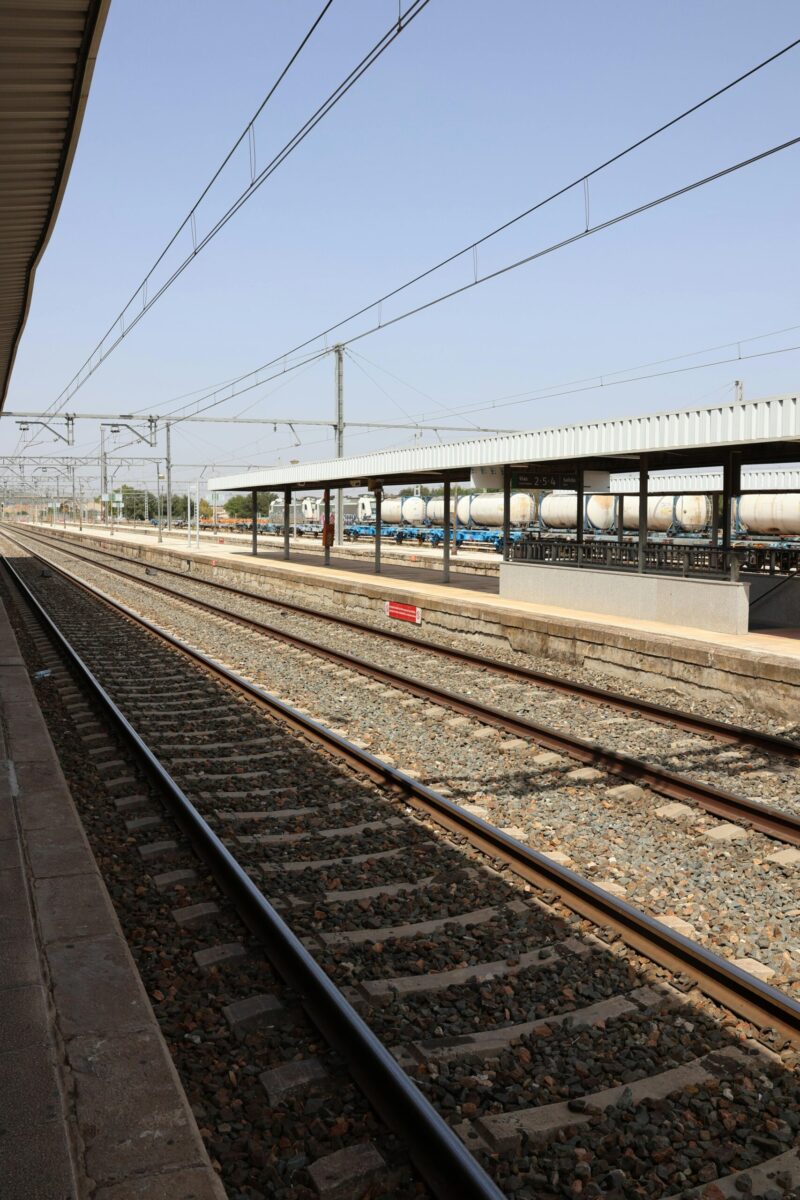
- The railway covers 311 kilometres in total: 217 kilometres on the Zimbabwean side and 94 kilometres in Zambia. It follows the existing highway corridor and uses the 1,067mm Cape Gauge, with provisions for future upgrade to standard gauge.
- Sixteen stations and two marshalling yards will be built along the route. The line also includes rehabilitation of a 445-kilometre section of Zimbabwe’s existing rail network extending to the Machipanda border post with Mozambique.
- Distance savings against current routes: 800km shorter to Beira Port, 1,000km shorter to South African ports, 500km shorter to Dar es Salaam. For Copperbelt miners and bulk commodity exporters in Zambia and the DRC, this is a material reduction in logistics costs.
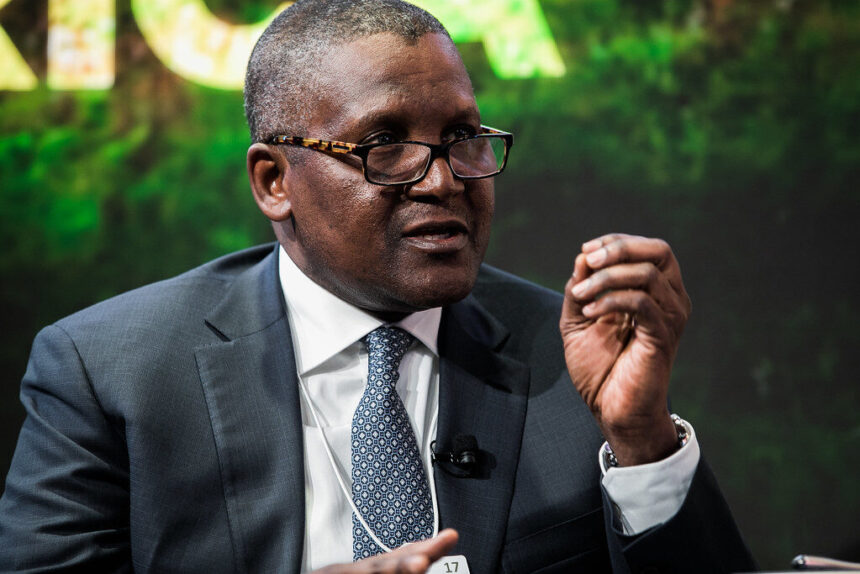
- Zimbabwe is simultaneously pursuing Dangote Group’s $1 billion industrial investment commitment, covered by Africaspoint in Dangote bets $1bn on Zimbabwe’s industrial recovery. The railway and the industrial investment reinforce each other: manufacturing and mining exports need efficient logistics to be competitive.
- Financing has not been announced. The MoU establishes intent and the institutional framework. Procurement, construction contracts and financial close are the next steps.
The Lion’s Den to Kafue corridor addresses one of Southern Africa’s most persistent logistics problems: land-linked countries like Zambia and Zimbabwe pay a disproportionate share of their export value in transport costs. The existing North-South Corridor, which runs through Beit Bridge into South Africa, is heavily congested and commercially inefficient. A new rail axis that cuts distances to Beira, Dar es Salaam and South African ports simultaneously removes that constraint. The project fits within the broader regional pattern: the Lobito Corridor in West-Central Africa and the TAZARA rehabilitation in East-Central Africa are parallel investments in the same thesis that Africa’s mineral and agricultural exports need competitive rail infrastructure to capture their full value.
The Bigger Picture: Africa’s landlocked economies lose up to 30% of the value of their exports to logistics costs. Rail infrastructure that cuts distances to multiple ports simultaneously is among the highest-return investments available on the continent. At $2.18 billion for 311 kilometres of track, the Lion’s Den to Kafue line is not cheap, but it connects two mineral-rich economies to three major port corridors in a single alignment. The open question is financing: the MoU establishes the political commitment but the capital structure has not been disclosed. Development finance institutions, Chinese infrastructure capital and private rail concession investors are the likely candidates. How that structure is assembled will determine whether this line is built in five years or twenty.
Source: <a href="https://www.newzimbabwe.com/zimbabwe-and-zambia-sign-us2-billion-railway-line-mou/”>NewZimbabwe.com, April 12 2026 / <a href="https://www.financialafrik.com/en/2026/04/17/zimbabwe-zambia-a-railway-corridor-of-over-2-billion-usd-to-boost-mining-transport/”>Financial Afrik, April 17 2026