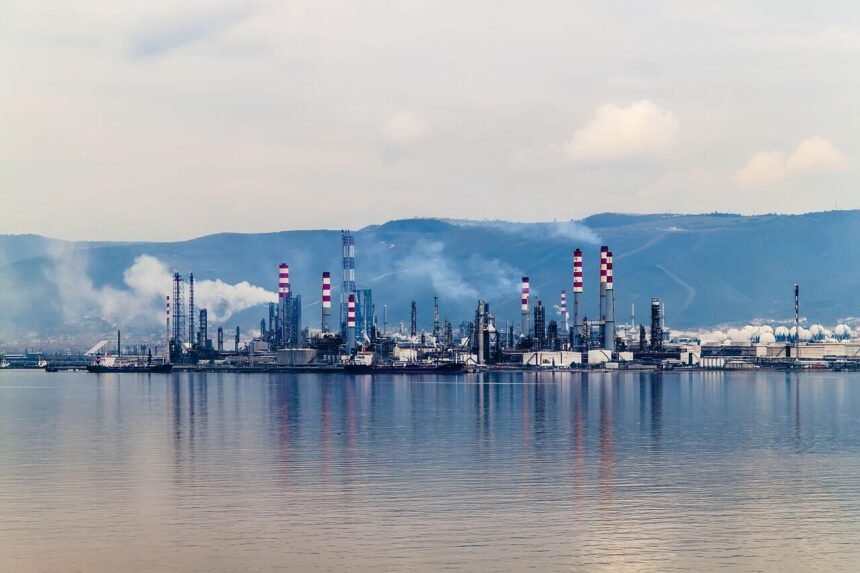

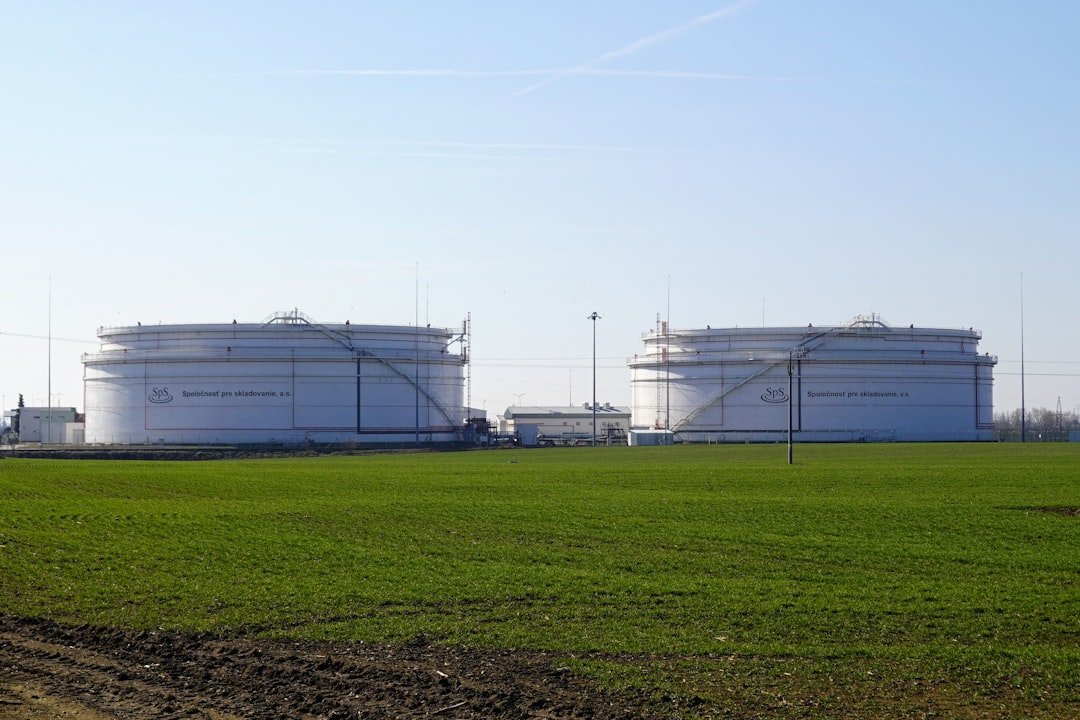
President Samia Suluhu Hassan formally launched a TZS 678.6 billion ($274 million) oil storage project at Dar es Salaam port on March 3, with construction already 41% complete and the facility set to cut vessel waiting time from 22 days to 7, directly reducing fuel costs for Tanzania and four landlocked neighbours.
- The Tanzania Ports Authority project will build 15 new storage tanks at Kigamboni with a combined capacity of 378,000 cubic metres: 162,000 for diesel, 135,000 for petrol, and 81,000 for Jet A-1 aviation fuel. It will raise total port oil reception capacity by 35.9%, from roughly 1.05 million to 1.43 million cubic metres.
- A Chinese joint venture between China Railway Major Bridge Engineering Group (CRMBEG) and Wuhuan Engineering holds the construction contract. Site preparation is complete, 1,087 tank foundation piles have been installed, and all 15 pile caps are built. Completion is scheduled for February 2027, followed by a 12-month defects liability period.
- Under the current system, oil tankers wait an average of 22 days at anchorage before offloading begins, then spend a further 7 days discharging. The new facility will cut anchorage waiting to 7 days and discharge time to 24 hours. Demurrage charges of $25,000 per vessel per day, which importers currently pass directly to consumers at the pump, will be eliminated.
- A 5.5 km oil pipeline will link the new tank farm at Kigamboni to the existing Kurasini Oil Jetty, consolidating the fragmented receiving system that currently requires TPA to pause offloading to redirect fuel between multiple private storage clients.
- President Samia explicitly linked the project to the Middle East conflict, directing the Ministry of Energy to strengthen national strategic petroleum reserves as a buffer against supply disruptions and price volatility from the ongoing US-Israeli operations against Iran.
The Dar es Salaam port corridor serves Uganda, Rwanda, Burundi, and parts of the Democratic Republic of Congo, all landlocked countries with no alternative maritime access for petroleum imports. Delays at the port translate directly into fuel shortages and price spikes across the region. Tanzania has been competing with Kenya’s Mombasa port for landlocked market share, and Uganda has been in active talks about shifting a significant portion of its fuel imports to Dar es Salaam. The port’s throughput reached a record 27.7 million tonnes in the 2024/25 financial year, up 17% year on year, straining infrastructure that was designed for significantly lower volumes. Transport Minister Makame Mbarawa also confirmed that dry ports are being established in Morogoro, Dodoma, and Shinyanga to absorb cargo inland as the Standard Gauge Railway prepares to carry between 70 and 80% of port cargo, easing congestion on roads.
The Bigger Picture: The demurrage arithmetic is the story here. At $25,000 per vessel per day, and with tankers currently waiting 22 days on average, Tanzania’s fuel supply chain has been generating over half a million dollars in holding costs per vessel before a single litre reaches a petrol station. Those costs land on consumers. Cutting that wait from 22 days to 7 is not just an efficiency gain, it is a direct consumer price reduction at scale. For Uganda and Burundi, which depend on this corridor entirely, faster throughput at Dar es Salaam is a macro-level input cost reduction. President Samia’s decision to frame this project explicitly against Middle East volatility is also significant: it signals Tanzania intends to build the reserve buffer capacity to insulate the region from external shocks, not just process today’s volumes.
Source: TanzaniaInvest / The Chanzo