
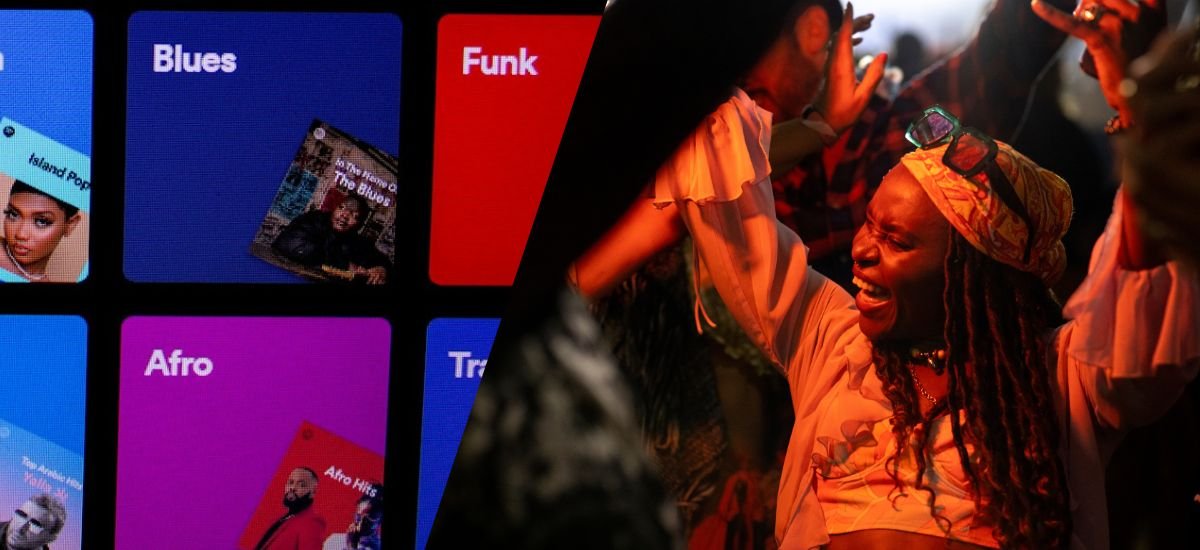
Spotify Africa’s five-year report, released on 23 February 2026, documents rapid growth in music streaming across Nigeria, Ghana and Kenya since the platform’s formal expansion in 2021, but buried in the data is a striking finding: no female artist placed in the top five most-streamed artists or songs in Nigeria or Ghana, and Kenya’s chart featured just one.
The average listener age across the three markets sits at 26 to 27, a generation broadly considered progressive in taste and outlook. Yet the streaming numbers tell a different story. Writer Nelson C.J., analysing the report for OkayAfrica, traces the gap beyond listener preference to structural industry inequality. Nigerian labels including YBNL, Mavins and Chocolate City have collectively signed an average of three female artists each compared to more than 17 male artists, creating a pipeline problem long before any song reaches a playlist. Artists like Tems have spoken publicly about struggling to find producers willing to collaborate without objectification. When tastemakers do not prioritise female voices, listeners are not given the context or the exposure to seek them out.
Spotify has not been passive: its EQUAL programme and editorial commissions have consistently pushed female African artists into curated spaces. But intentional curation has not translated into organic listenership at scale. The data, the op-ed argues, does more than reflect bias. It reinforces it. Charts backed by hard numbers signal to listeners whose voices matter, narrowing the space for artists who already face structural disadvantages in getting signed, produced and promoted.
The Bigger Picture Spotify’s entry into African markets was celebrated partly because accurate data would finally let artists and industry players understand where consumption was happening and correct distortions. Five years in, the data is clear but the correction has not followed. The streaming gender gap in West Africa is not an anomaly specific to Afrobeats; it mirrors a continent-wide pattern in which female artists generate cultural moments that travel globally while remaining undervalued at home. The question the report forces is whether data transparency alone changes behaviour, or whether it simply makes visible an industry structure that has not changed.
Source: OkayAfrica