

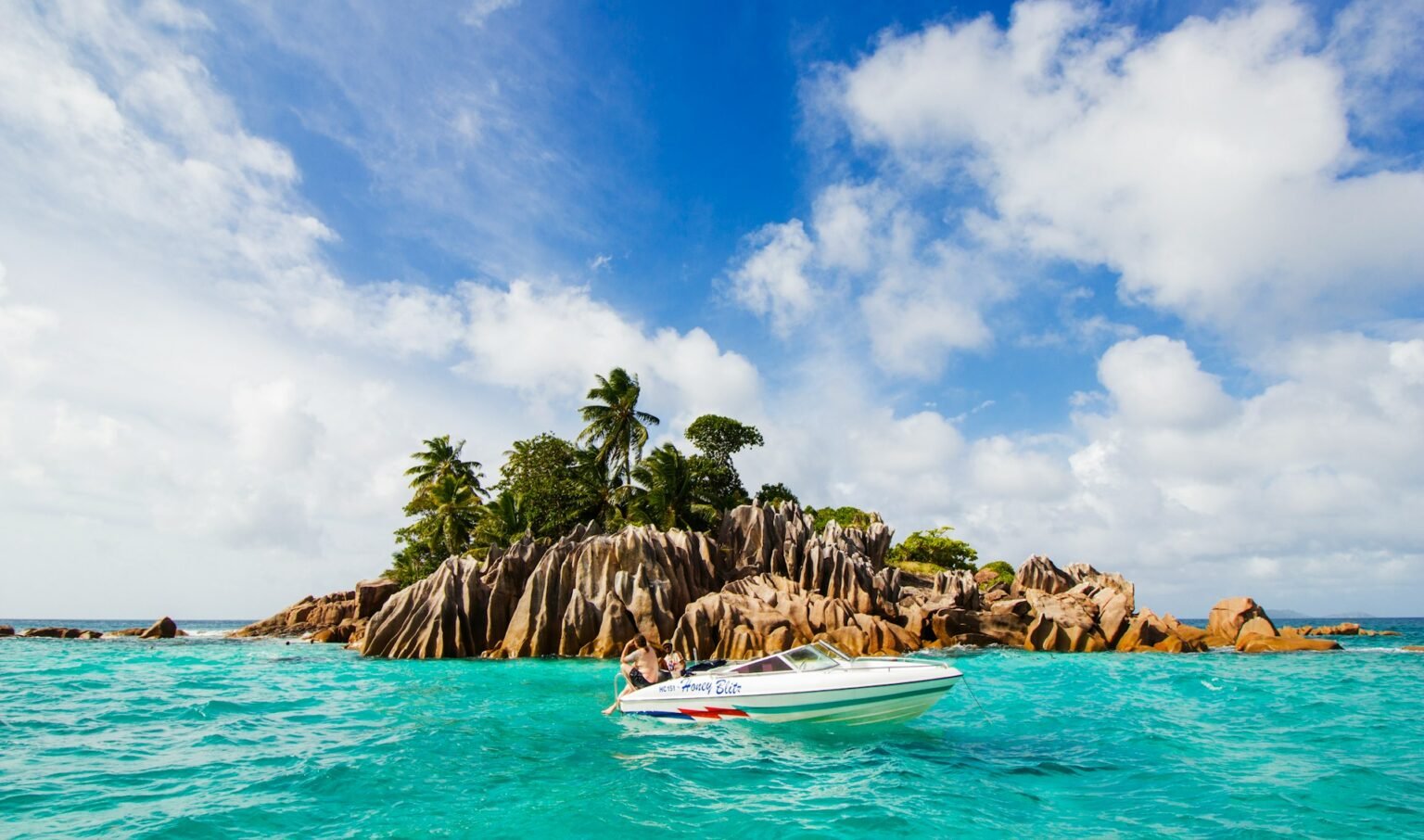
Seychelles holds Africa’s most powerful passport in 2026, ranking 24th globally on the Henley Passport Index with visa-free or visa-on-arrival access to 154 destinations, including the European Union, the United Kingdom, China, and Russia. The island nation of 133,000 people continues to punch far above its weight in global mobility, a function of decades of active visa diplomacy rather than economic scale.
- Mauritius ranks second in Africa and 27th globally, with access to 147 destinations. South Africa holds third place on the continent at 48th globally with 101 visa-free destinations. Botswana ranks fourth in Africa at 59th globally.
- Morocco improved from 69th in 2025 to 65th in 2026, tied with Eswatini, with access to 72 destinations — a gain attributed in part to strengthened diplomatic ties around the 2025 Africa Cup of Nations and the 2030 World Cup preparation cycle.
- Seychelles is one of only five countries globally whose citizens can travel without a prior visa to China, Russia, the Schengen Area, and the United Kingdom simultaneously. The others are Brunei, Grenada, Mauritius, and South Korea.
- At the bottom of the African rankings, most sub-Saharan passports remain concentrated in the lower half of the global index, with several offering fewer than 40 visa-free destinations, underlining the continent’s persistent mobility gap.
- Singapore retains the world’s top ranking for the third consecutive year, offering access to 192 destinations, followed by Japan and South Korea at 188.
The Henley Passport Index tracks 199 passports against 227 destination territories using data from IATA. For African business executives, passport strength is an operational variable: it determines ease of client meetings, deal closings, conference attendance, and investor roadshows. A Seychellois or Mauritian executive faces none of the visa queues that constrain counterparts from Lagos or Nairobi heading to London, Singapore, or New York. The business case for improving passport strength through bilateral visa waiver negotiations is increasingly recognised by African governments as part of trade facilitation policy, not just diplomacy.
Bigger Picture: Africa’s passport landscape is sharply bifurcated. The top five African passports, all island nations or Southern African states, operate in an entirely different mobility tier from the rest of the continent. For the majority of African executives and investors, visa restrictions remain a direct cost of doing business internationally. The AfCFTA is beginning to address intra-African movement through the African Passport initiative, but progress is uneven. Countries including Rwanda, Kenya, and Ghana have unilaterally abolished visa requirements for all African passport holders, a model that, if adopted more widely, would structurally reduce the mobility tax on Africa’s professional class. In 2026, that asymmetry between Seychelles at 24th globally and most of the continent in the 70th to 100th range is still the defining feature of African passport power.
Sources: Citi Newsroom / 360 Mozambique