
IN SHORT: Rwanda’s fuel demand surged nearly 40% in April 2026 as households, businesses, and transporters stockpiled against supply uncertainty driven by the Strait of Hormuz closure. The spike is straining import logistics and pushing up prices, with Rwanda entirely dependent on overland fuel supply chains through Uganda or Tanzania from Indian Ocean ports.
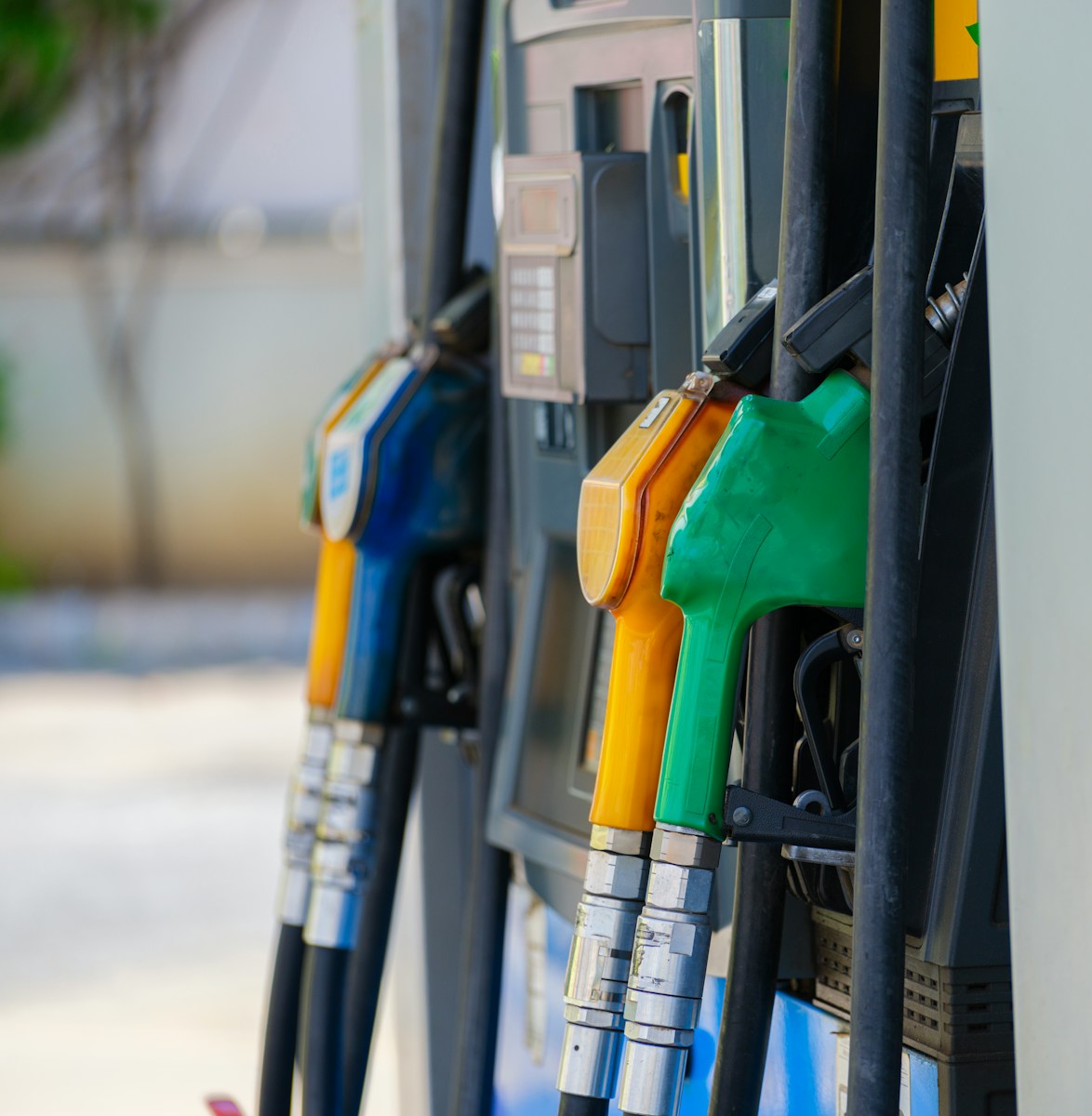
Rwanda recorded a near-40% surge in fuel demand in April 2026, driven by precautionary stockpiling as the Strait of Hormuz closure and Middle East conflict triggered widespread anxiety about supply continuity across East Africa, exposing the structural fragility of landlocked economies that depend entirely on fuel trucked overland from distant Indian Ocean ports.
- Fuel demand in Rwanda jumped nearly 40% in April as consumers, businesses, and transport operators front-loaded purchases against feared supply disruptions cascading from the Strait of Hormuz closure.
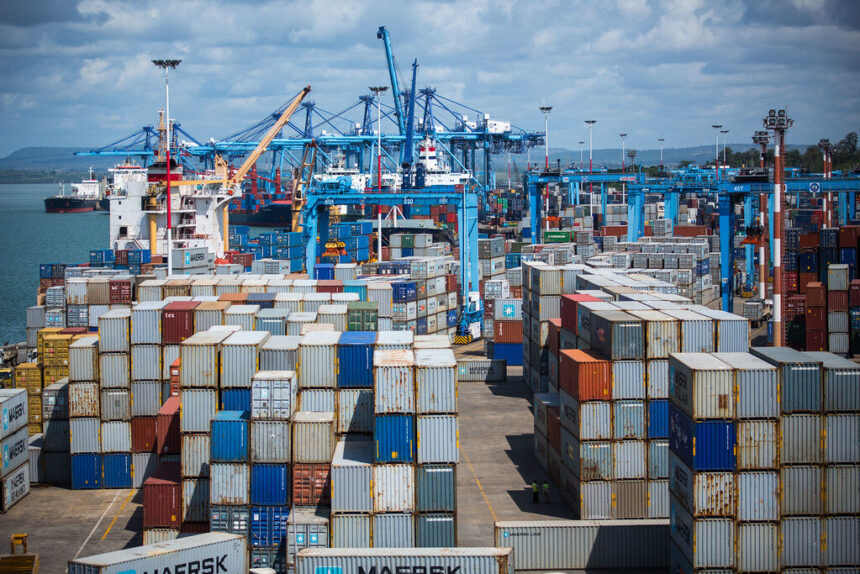
- Rwanda is entirely landlocked and has no direct access to ocean-borne fuel imports. All petroleum products enter via overland routes from Mombasa (Kenya) or Dar es Salaam (Tanzania), adding 1,500 to 2,000 kilometres of road transport to every litre of fuel consumed in the country.
- Kenya’s own petrol cover dropped to 16 days during the same period, meaning the primary supply corridor Rwanda depends on was itself under stress from the same disruption.
- Tanzania’s Dar es Salaam corridor provides an alternative route but is subject to its own logistics constraints and port congestion under normal conditions.
- Rwanda’s government has not announced emergency supply measures but authorities are monitoring the situation closely as regional fuel markets absorb the demand and supply disruption simultaneously.
- The spike mirrors similar demand surges recorded across East Africa, with Kenya, Uganda, and Ethiopia all experiencing elevated purchasing as regional buyers moved to secure stocks ahead of potential shortfalls.
Rwanda’s 40% demand spike is a market signal, not a supply crisis — yet. The distinction matters. Demand surges driven by precautionary stockpiling tend to self-correct once supply clarity returns. But if the Strait of Hormuz disruption persists beyond the current quarter, the correction may not come before real shortfalls emerge in landlocked markets that have no ability to hold more than a few weeks of strategic reserve.
The Bigger Picture: Rwanda’s vulnerability illustrates a pan-African structural problem that applies to every landlocked economy on the continent: Burkina Faso, Mali, Niger, Chad, South Sudan, Uganda, and a dozen others depend entirely on coastal neighbours for fuel supply security. A disruption anywhere along the 1,500 to 2,500 kilometre overland chain — whether in origin ports, transit countries, or the roads themselves — becomes a national emergency. Building strategic petroleum reserves equivalent to 45 to 90 days of national consumption is the standard policy response, and several East African governments have been moving in this direction. Rwanda’s 40% demand spike is the sharpest recent demonstration of why that investment is not optional.
Source: AllAfrica / New Times Rwanda