
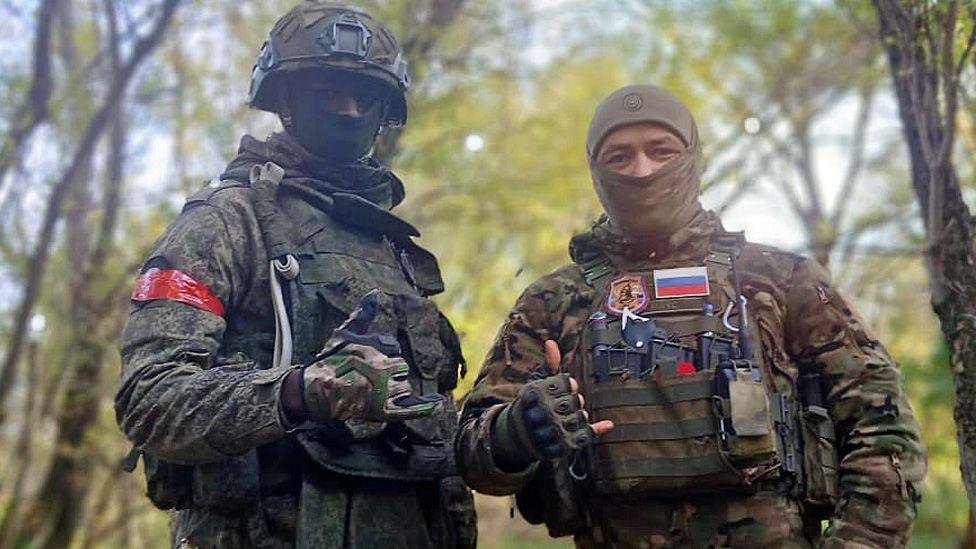
Kenya’s Foreign Minister Musalia Mudavadi secured an agreement in Moscow on March 16 that Russia will stop recruiting Kenyan nationals into its military, following months of escalating diplomatic pressure over a trafficking network that lured more than 1,000 Kenyans to Ukraine’s front lines under false pretences. The Ministry of Foreign and Diaspora Affairs confirmed that 252 Kenyans had been conscripted into Russian military operations, 44 have been repatriated, and two have been identified as prisoners of war held in Ukraine.
Mudavadi met Russian Foreign Minister Sergei Lavrov in Moscow for talks focused on the repatriation of Kenyan citizens and the cessation of recruitment. The agreement reached means Kenyans will no longer be able to join Russia’s armed forces through its defence ministry. Russia confirmed the position publicly, though it maintained that foreign nationals serving under existing contracts signed voluntarily under Russian law, and that those wishing to terminate their contracts are free to do so but must arrange and fund their own travel home.
- Kenya’s National Intelligence Service reported in February that more than 1,000 Kenyans had been recruited, with 89 on the front line, 39 hospitalised, 28 missing in action, and at least 10 confirmed dead.
- Recruits were promised monthly salaries of up to 350,000 Kenyan shillings ($2,400) and signing bonuses of 900,000 to 1.2 million shillings ($6,200 to $8,300), with some offered Russian citizenship after a year of service.
- Many recruits were not told they would be deployed to combat. Former recruits and families told reporters they were offered civilian or security jobs in Russia, then handed weapons and sent to active front lines after as little as nine days of training.
- Recruitment networks involved both Kenyan and foreign actors. Recruits travelled through Uganda, South Sudan, or South Africa to avoid detection at Kenyan airports. NIS findings alleged that rogue officials within the Directorate of Immigration Services and the National Employment Authority enabled movement undetected.
- One suspect, Festus Arasa Omwamba, was arrested in Moyale near the Ethiopian border in February in connection with the trafficking network.
- Some of those conscripted were former members of Kenya’s disciplined services, including Kenya Defence Forces, National Police Service, National Youth Service, and Kenya Prisons Service personnel.
- Mudavadi confirmed that 27 Kenyans had been brought home prior to his Moscow visit, with counselling and rehabilitation support provided on return. The total now stands at 44 repatriated.
- Ukraine’s Foreign Minister Andrii Sybiha said in November that more than 1,400 Africans from 36 countries had been deployed by Russia, with many held as prisoners of war in Ukraine. Kenya’s own NIS figures suggest the Africa-wide total may be significantly higher.
The crisis became publicly visible in January when dozens of Kenyan families gathered outside parliament in Nairobi holding photographs of relatives, demanding government action. Charles Ojiambo Mutoka, whose son Oscar was killed in August 2025, told reporters he only learned of the death in January 2026 when front-line commanders disclosed it, months after the fact and without official notification from the Russian government. Families of other missing Kenyans said they had been unable to obtain any information from Russian authorities about their relatives’ whereabouts or condition.
South Africa faced a parallel situation and repatriated 17 nationals earlier in 2026 who said they had been misled into travelling to Russia and found themselves near the front lines. Zimbabwe and other African countries have reported similar cases. Ukraine’s foreign ministry has accused Russia of using systematic deception to recruit Africans, framing the pattern as deliberate exploitation rather than voluntary enlistment.
The Russian Embassy in Nairobi denied involvement in recruitment throughout the crisis, calling allegations a "dangerous and misleading propaganda campaign" and stating it had never issued visas to Kenyan citizens intending to fight in Ukraine. The embassy acknowledged that Russian law permits foreign nationals legally residing in Russia to voluntarily enlist, and expressed readiness for constructive dialogue on bilateral labour migration and security cooperation agreements.
Bigger Picture: The Kenyan government’s successful pressure on Moscow marks a significant diplomatic outcome for a country that has publicly positioned itself as non-aligned in the Russia-Ukraine conflict. More than 1,000 Kenyans trafficked into a European war through a network involving corrupted domestic officials represents a national security failure with direct human cost: deaths, prisoners of war, missing persons, and traumatised returnees. The agreement to stop further recruitment does not resolve the situation for those already in Ukraine, where repatriation depends on Russian willingness to release individuals from active contracts. For the broader continent, Kenya’s experience is a warning. Ukraine’s figures suggest 1,700 or more Africans from 36 countries have been drawn into Russia’s military through similar networks. The diplomatic tools that eventually produced this agreement — public pressure, parliamentary scrutiny, foreign minister-level engagement, and international media attention — took months to move the needle. Families paid the price of that timeline.
Source: UPI / Africanews / The Star Kenya / NPR