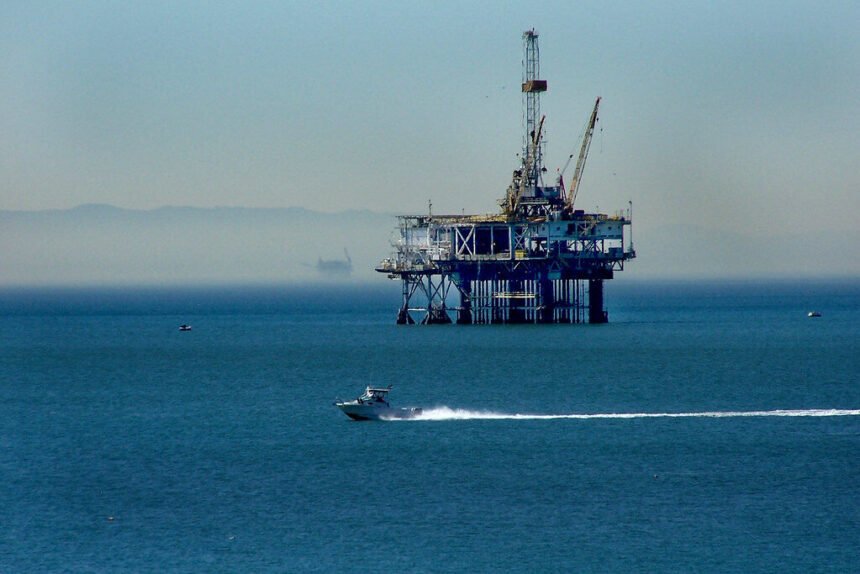

Nigeria earned $31.54 billion from crude oil exports in 2025, a 14.4 percent fall from $36.85 billion in 2024, according to the Central Bank of Nigeria’s Balance of Payments report. The decline happened despite higher production: crude output rose from 408.68 million barrels in 2024 to 530.41 million barrels in 2025. The gap between more barrels and less revenue points directly at price and the persistent underperformance against quota and budget targets that has plagued Nigeria’s oil sector throughout the post-pandemic era.
The numbers expose a structural problem Nigeria has not resolved. The country’s 2025 budget assumed production of 766.5 million barrels of crude oil and condensate combined. Actual combined output was 599.64 million barrels, a shortfall of 166.86 million barrels. Nigeria fell below its OPEC production quota in nine of twelve months, meeting or exceeding targets only in January, June and July. Operational disruptions, pipeline outages, and theft continued to limit the country’s ability to maximise oil revenues even as oil prices provided partial support.
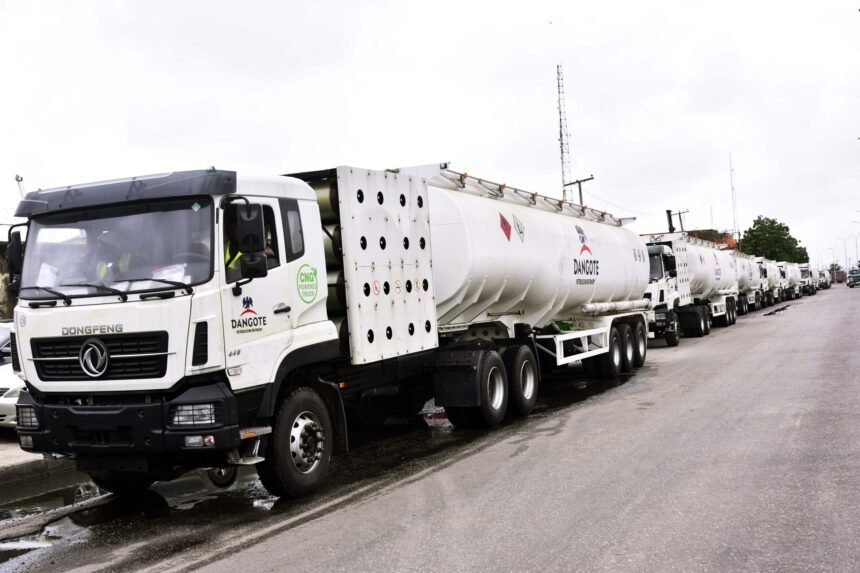
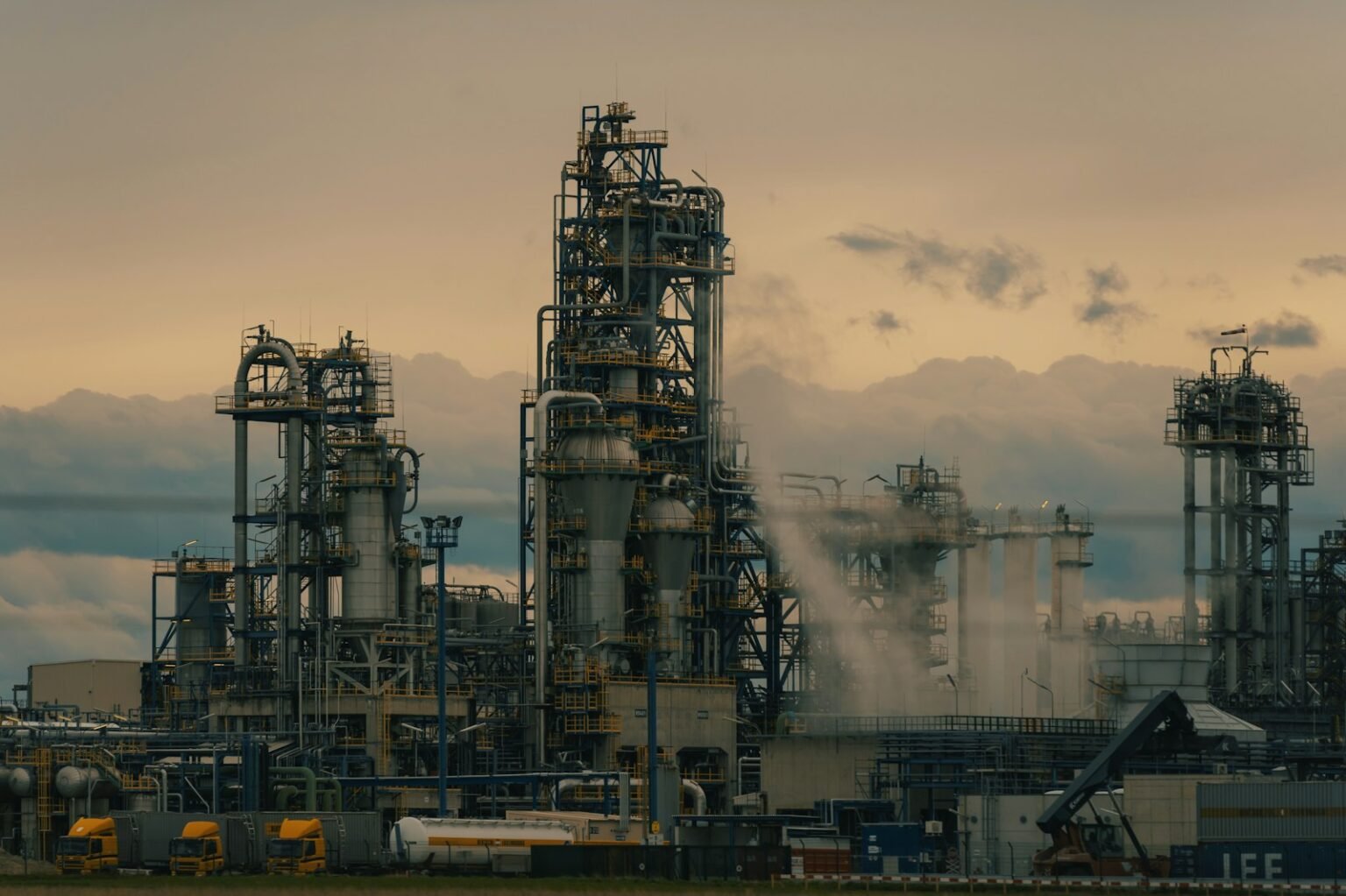
The headline crude oil figure is only part of the story, and the more interesting part is what sits beneath it. Nigeria’s total exports of crude oil, gas and refined petroleum products rose from $45.51 billion in 2024 to $48.17 billion in 2025. Gas export earnings increased 21.4 percent to $10.51 billion, reflecting stronger demand for LNG and pipeline gas. Refined petroleum exports came in at $6.13 billion, a category that barely existed in prior years but is now significant. The CBN explicitly linked the emergence of refined exports to the Dangote Refinery, which has begun reshaping Nigeria’s trade structure by converting crude into value-added products for export. Fuel imports also fell, from $14.06 billion in 2024 to $10.00 billion in 2025, a $4 billion reduction directly attributable to improved domestic refining capacity. The refinery simultaneously reduced the import bill and opened a new export revenue stream, a double shift that will compound over time as capacity is fully utilised.
The external sector pressures, however, are growing faster than the structural gains. Non-oil imports rose 13.6 percent to $29.24 billion, reflecting stronger consumer and capital goods demand. Net outflows in the services account widened to $14.58 billion, driven by higher transport, travel and insurance payments. The sharpest deterioration was in the primary income account, where net outflows surged 60.9 percent to $9.09 billion, largely from dividend and interest payments to foreign investors. This reflects the cost of the capital that funded Nigeria’s investment cycle. The current account surplus narrowed from $19.03 billion in 2024 to $14.04 billion in 2025. The overall balance of payments surplus fell from $6.83 billion to $4.23 billion.
External reserves nonetheless rose to $45.75 billion, up from prior year levels, providing a buffer against further external shocks. The combination of rising reserves and a narrowing surplus suggests the CBN has been actively accumulating reserves even as underlying flows deteriorated, a deliberate posture ahead of the Iran war disruptions that emerged in the first quarter of 2026 and have since sent oil prices sharply higher.
Bigger Picture: The 2025 numbers document where Nigeria was before the Iran war changed the calculus entirely. At $31.54 billion in crude earnings on 530 million barrels of production, Nigeria was already a meaningful but underperforming oil exporter. With crude prices now above $100 per barrel following the February 2026 US-Israeli strikes on Iran, and Nigerian production trending upward, the 2026 BOP report is likely to show a dramatically different picture. The structural shift that matters most for Nigeria’s long-term trajectory is not the crude price windfall but the Dangote effect: gas exports above $10 billion, refined product exports above $6 billion, and fuel import bills falling by $4 billion in a single year. Those three lines together represent a fundamental change in how Nigeria monetises its hydrocarbon endowment. If the refinery reaches full capacity and Nigeria closes even half its production quota shortfall, the country’s external position in 2026 will look very different from the one documented here.
Source: Nairametrics