

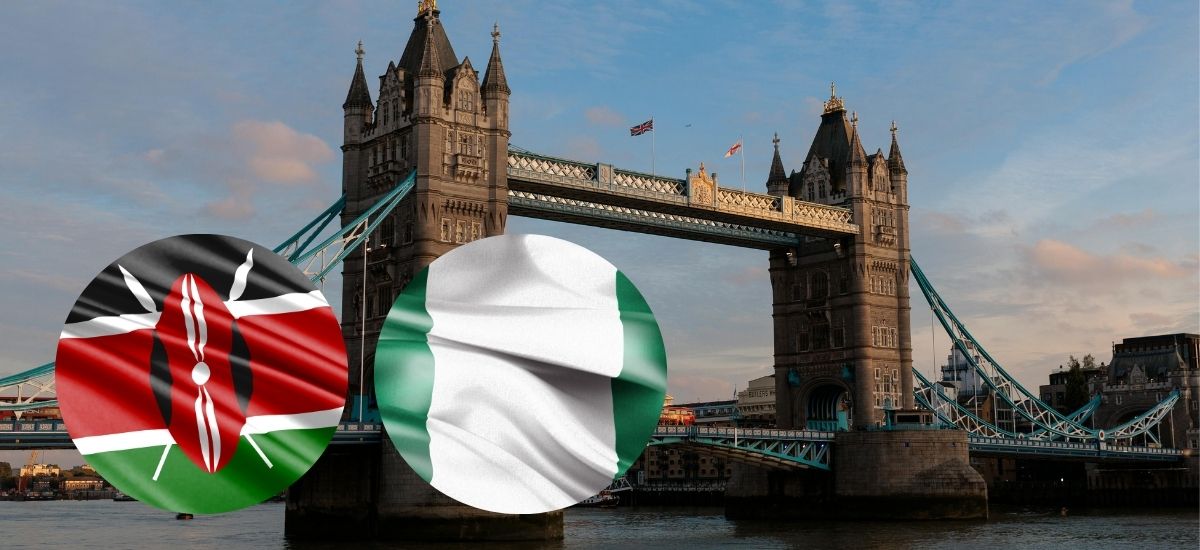
IN SHORT: Nigeria’s latest investor engagement push in London, backed by an S&P upgrade outlook, exit from the FATF grey list, and $50 billion in foreign reserves, is shifting how global capital prices African frontier markets. For Kenya, which competes for the same investor pool under tighter borrowing conditions, Nigeria’s reform credibility is both a signal and a benchmark.
Nigeria’s presentation at a high-level forum at the Peninsula London, where the Central Bank of Nigeria and its partners outlined a transition from crisis management to macroeconomic stability, is beginning to influence how Africa is priced in international capital markets, with direct implications for Kenya’s own investment case. The forum showcased a consistent reform narrative backed by concrete signals: a positive S&P Global Ratings outlook, exit from the FATF grey list, foreign reserves above $50 billion, and endorsements from JPMorgan Chase and the International Finance Corporation.
- Nigeria has unified its foreign exchange system, removed costly fuel subsidies, and built reserves above $50 billion, reducing the policy uncertainty that investors cite as a primary barrier to frontier market allocation.
- CBN Governor Olayemi Cardoso described the shift as a system now built on “liquidity, transparency, and disciplined regulation,” a message that has been sustained and consistently delivered to global investors.
- Global investors frequently assess Africa as a bloc: improvements in Nigeria, the continent’s largest economy, directly influence how Kenyan debt and investment opportunities are priced on international markets.
- Nigerian banks, now better capitalised with some foreign investor participation, are positioning for larger cross-border deals and could play a bigger role in financing infrastructure, trade, and private sector growth in Kenya.
- Nigeria is also leveraging fintech to channel diaspora capital into structured investment vehicles, an approach Kenya, with its own advanced mobile finance ecosystem, can both learn from and accelerate.
- Kenya continues to navigate high borrowing costs and tight global liquidity, making the broader shift in African market perception directly relevant to its cost of capital.
The lesson from Nigeria is not primarily about copying specific reforms but about the compounding effect of consistency. Africaspoint has tracked Nigeria’s capital importation story closely: Q4 2025 brought $6.44 billion in capital inflows, an 88% full-year surge, as portfolio investors responded to the reform signals Cardoso has been delivering since 2023. That momentum has now reached a point where it is influencing sovereign pricing across the continent.
The Bigger Picture: Kenya and Nigeria are competing for the same pool of frontier market capital. When Nigeria’s risk premium falls, it tends to drag down the benchmark against which all African sovereign debt is measured, which benefits Kenya. But there is a sharper lesson here. Nigeria’s investor engagement has been deliberate, sustained, and built around a small number of clear, verifiable signals: reserves, FX unification, regulatory transparency, FATF compliance. Kenya, which taps international markets regularly and faces its own sovereign debt pressures, could extract significant value from adopting a similarly disciplined investor communications strategy. Capital flows to clarity. Nigeria has demonstrated that. The question for Nairobi is whether it builds that clarity before or after the next bond issuance.
Source: Capital FM Business