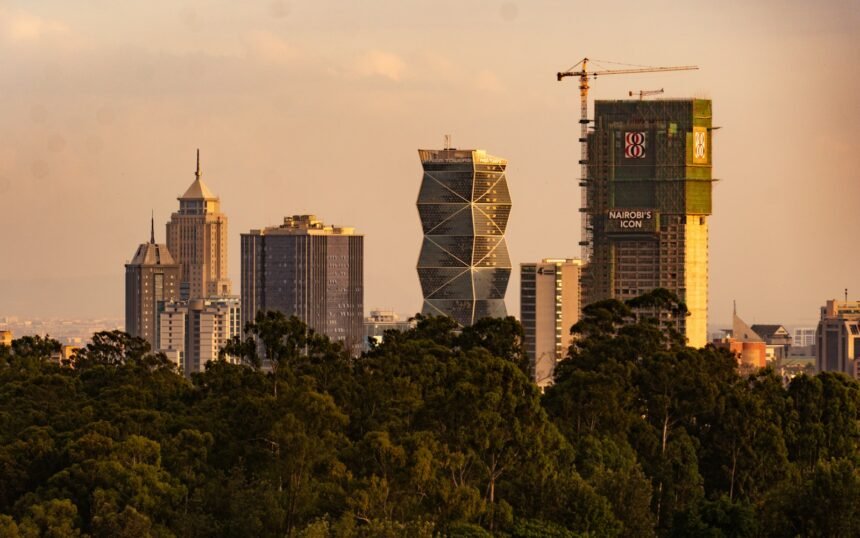

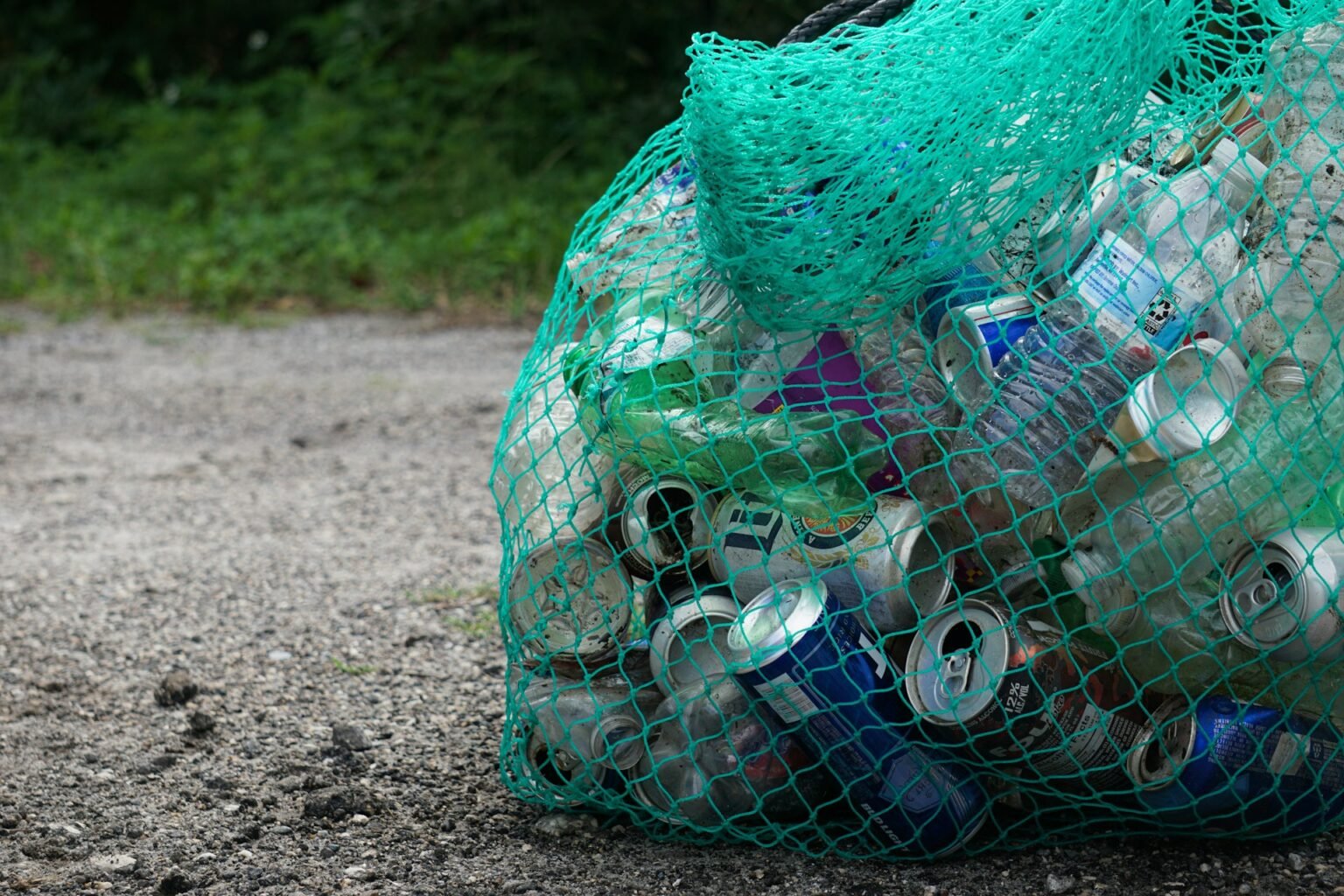
On a Saturday morning in March, residents of Dandora, one of Nairobi’s most densely populated informal settlements, gathered with brooms, shovels, and rubbish bags to clean their streets. Leading the exercise was Dr Joyce Kithure, spouse of Deputy President Kithure Kindiki and founder of the Science Adding Value to the Environment and Communities (SaVE) initiative. Her message was direct: a cleaner Nairobi will not come from government policy alone. It will come from the people who live there, taking collective ownership of the spaces they share.
The Dandora clean-up is a starting point. Dr Kithure has committed to extending the campaign to Kawangware, Kibra, Mathare, Korogocho, Mukuru, and the city’s central business district. The ambition is not a single event. It is a sustained shift in civic behaviour. The challenge is that civic behaviour shifts are among the hardest things governments and communities have ever attempted, anywhere in the world. The cities that have succeeded share a set of lessons that Nairobi can apply directly.
What the volunteers are not being paid
The residents who showed up in Dandora were not compensated. They gave a Saturday morning to unblock drainage channels, collect rubbish that had accumulated for weeks, and clear the kind of waste that routinely causes cholera and typhoid outbreaks in Nairobi’s informal settlements. Nairobi’s population exceeds 5 million people, with each person generating approximately 0.62 kilograms of solid waste per day. By 2030 the city is projected to produce nearly 4,000 tonnes of waste daily. The formal waste collection system does not reach large portions of informal settlements. When drainage channels block, the flooding that follows during rains is not an act of nature. It is the predictable consequence of uncollected plastic and garbage accumulating in systems designed for water, not waste.
The volunteers who came to Dandora did not receive wages. But the value they created was real and measurable: unblocked drains, reduced flood risk, lower disease exposure for their children, and a visible signal to other residents that the standard for public space is not acceptable as it is. That last point, the social signal, may be the most important output of a community clean-up that gets no coverage at all.
Ouagadougou’s Green Brigade: 3,000 women, paid employment, award-winning results
The closest African precedent for what Nairobi is attempting to build is in Burkina Faso’s capital, Ouagadougou. For more than two decades, the Green Brigade has deployed 3,000 women to sweep the streets of the city twice a week, every Monday and Thursday, covering 120 kilometres of streets and 3 million square metres of urban space in each operation. The Brigade is not a volunteer programme. It is a paid employment scheme run under the Burkina Faso National Volunteer Programme, with technical oversight from the Ministry of Youth and financial supervision from the Ministry of Finance, supported by the UNDP and UN Volunteers.
The model does two things simultaneously that Nairobi’s current initiative does not yet do: it institutionalises cleanliness as a recurring operation rather than a periodic event, and it creates employment for women who needed it. The Brigade won international recognition from UN-Habitat in 2006 for providing regular employment to needy women while promoting cleanliness. That dual function, civic improvement and economic inclusion, is the design principle that makes community sanitation programmes durable rather than episodic.
A second Ouagadougou model is worth noting. In the Somgandé neighbourhood, the Association for the Promotion of Citizenship and Development organised weekly Saturday morning clean-ups of clogged drainage ditches after residents concluded the city was not coming to do it. They rented tools the city government had not provided, funded the exercise through donations from local residents, and continued doing it with the explicit intent of pressuring city officials to assume their responsibilities. The Ouagadougou 4th arrondissement mayor publicly supported the initiative while acknowledging the gap it was filling.
Rwanda’s Umuganda: mandatory, monthly, presidential
Rwanda’s approach is the most institutionalised on the continent. Since 2009, Umuganda has required all Rwandan citizens between the ages of 16 and 65 to participate in community work on the last Saturday of every month from 8am to 11am. Businesses close. Transport stops. The president participates alongside ordinary citizens. During the three-hour window, residents clear litter, unblock drainage channels, plant trees, repair local roads, and maintain public spaces. Non-participation carries a financial penalty.
Kigali is widely cited as Africa’s cleanest capital city. The connection between Umuganda and that outcome is direct. The policy does not merely clean streets. It reframes public cleanliness as a civic duty that belongs to everyone, not a service that government provides to citizens. The distinction is significant. When cleanliness is understood as a service, citizens wait for it. When it is understood as a shared responsibility, citizens maintain it.
Singapore’s 57-year transformation: education, enforcement, community ownership
Singapore in 1968 faced conditions not entirely unlike those of Nairobi today. Streets were dirty, sanitation was poor, and overcrowded urban neighbourhoods generated waste faster than formal systems could collect it. Prime Minister Lee Kuan Yew launched the Keep Singapore Clean campaign on 1 October 1968, framing urban cleanliness not as an aesthetic preference but as an economic argument: clean cities attract investment, support tourism, reduce disease costs, and create the social conditions for higher growth.
The campaign combined public education through schools, media, and community organisations with strict financial penalties for littering, starting at S$300 (approximately $220) for minor infractions. Over time it evolved into a permanent structure: the Public Hygiene Council, neighbourhood Clean Hood volunteers, resident-led litter-picking drives, and a SG Clean quality mark for commercial premises. Today Singapore maintains what is considered the highest standard of urban cleanliness of any city in Asia, a transformation that took decades of consistent effort and genuine penalties for non-compliance.
The Singaporean lesson for Nairobi is that community participation and enforcement are not alternatives. They work together. Campaigns that rely only on goodwill fade when the goodwill dissipates. Campaigns that rely only on enforcement breed resentment. The combination of civic education, community ownership, and consequences for non-compliance is what produced durable results.
What Nairobi’s SaVE initiative could build toward
Dr Kithure’s SaVE initiative has the right starting point: grounding community action in the neighbourhoods most affected, leading by example rather than by instruction, and treating sanitation as a public health issue rather than an aesthetic one. The intervention at Dandora was not symbolic. Nairobi’s informal settlements suffer documented cholera and typhoid outbreaks linked directly to blocked drainage and poor waste management. Children are the most exposed.
The question is what the initiative becomes next. A series of clean-up events, however well-intentioned, will not change Nairobi’s sanitation baseline unless they catalyse three things. First, a recurring structure: monthly or fortnightly community clean days in each neighbourhood, scheduled, resourced, and expected. Second, economic participation: following the Ouagadougou model, connecting community sanitation work to paid employment for residents in the city’s lowest-income areas creates both cleaner streets and household income simultaneously. Third, accountability: a public tracking system showing which neighbourhoods are meeting standards and which are not, combined with genuine consequences for indiscriminate waste disposal in drainage systems.
None of this requires waiting for a large budget. Ouagadougou’s neighbourhood APCD programme cost approximately 610 euros for a single clean-up and continues on community donations. Singapore began with a campaign, not a budget. Rwanda began with a law. Nairobi could begin with all three.
Bigger Picture: A cleaner Nairobi is not a quality-of-life aspiration. It is an investment thesis. Cities with functional sanitation attract business, retain talent, reduce healthcare costs, and generate the civic confidence that underpins long-term economic activity. Nairobi competes for continental investment with Kigali, Accra, Addis Ababa, and Lagos. Kigali’s cleanliness is not accidental. It is the product of a policy architecture built over fifteen years that institutionalised community responsibility and enforced it consistently. The Dandora clean-up is a good beginning. The cities that have transformed their public spaces share one characteristic that events alone cannot provide: they made cleanliness a standard that everyone was expected to meet, every week, not a campaign that happened when leadership was present. That shift, from event to norm, is the work that SaVE and Nairobi’s civic leadership now face.
Source: Dawan Africa / Nairobi Wire / UN Volunteer Group Alliance / France 24 Observers / National Library Singapore