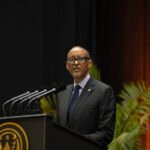

Yoweri Museveni has just won a seventh presidential term, extending a rule that began in January 1986 to at least 45 years by 2031. No living Ugandan under the age of 40 has known another head of state. The question of what he has actually delivered for the country beneath the electoral controversies produces a genuinely complicated answer: the economic numbers are real, and so are the democratic costs.
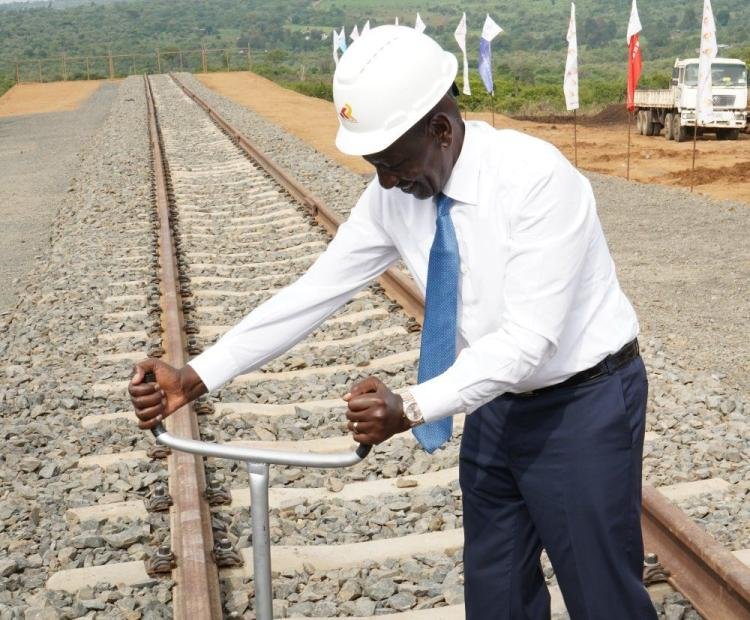
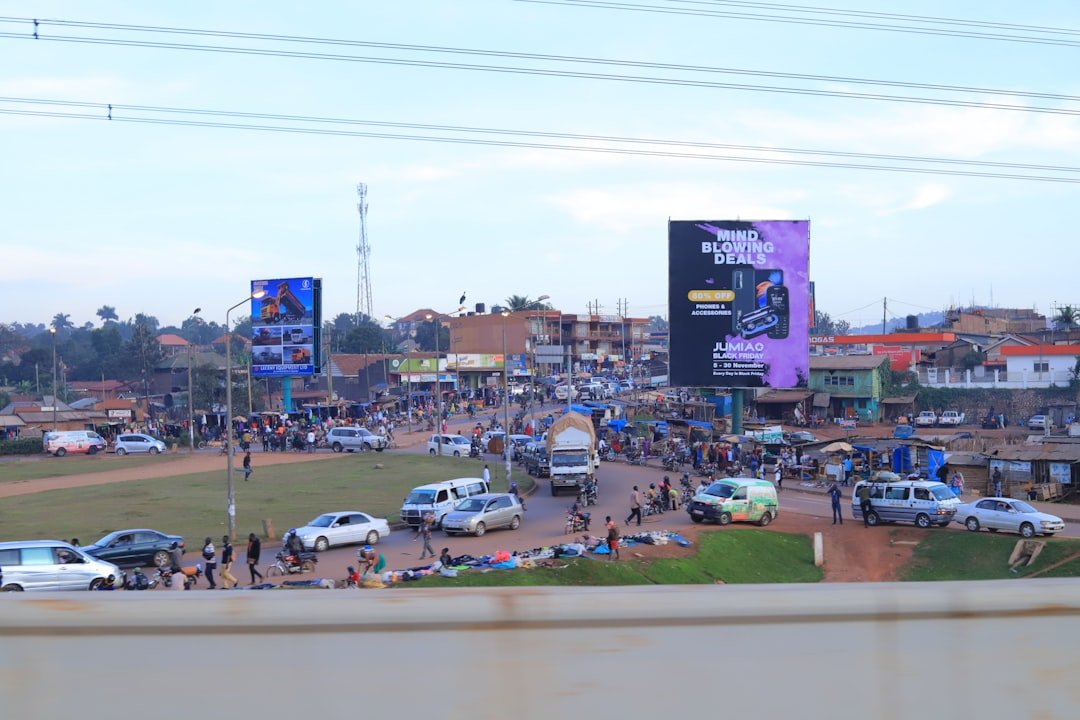
The macroeconomic record is the strongest part of the case for Museveni. Uganda’s GDP grew at an average of 6.7 percent annually between 1990 and 2015, a sustained expansion that restructured the economy from one where agriculture accounted for 56 percent of GDP in 1990 to one where services now dominate at 55 percent. The economy has expanded from roughly USD 34.7 billion in 2019 to USD 61.3 billion in the 2024/25 fiscal year and Uganda graduated from least developed country status to the lower middle income category in 2024, though the World Bank disputed the precise timing of that threshold. Poverty has fallen sharply over the same period, from 56.4 percent of the population in 1992 to 16.1 percent in 2024, with the proportion of households in the subsistence economy cut from 68 percent in 2014 to 33 percent a decade later. On HIV/AIDS, Uganda was among the first African countries to turn the epidemic through a combination of frank public education campaigns and treatment scale up that reversed what had been one of the worst infection rates on the continent. The Lord’s Resistance Army, which terrorised northern Uganda for nearly two decades and abducted tens of thousands of children, was effectively broken during Museveni’s tenure, ending a conflict that had kept an entire region in poverty and fear.
The political ledger is harder to read charitably. Presidential term limits were removed by parliament in 2005 and presidential age limits in 2017, both widely seen as constitutional rewrites engineered to keep Museveni in office indefinitely. The January 2026 election was conducted under an internet blackout, with African Union observers noting that arrests and abductions of opposition figures and civil society had “instilled fear” and “eroded public trust.” Museveni’s main rival Bobi Wine, who took 24.72 percent of the vote against Museveni’s official 71.65 percent, went into hiding the night results were declared after a raid on his home. Veteran opposition leader Kizza Besigye was abducted from Kenya in 2024 and remains in detention on treason charges that carry the death penalty. Museveni’s son, General Muhoozi Kainerugaba, now commands all security forces, and multiple analysts have noted that effective decision making authority at State House has shifted toward a narrow family circle. Corruption is an acknowledged and entrenched problem: state enterprises were privatised at heavily discounted prices to allies, the World Bank calculates that a Ugandan child born today will be only 38 percent as productive as an adult as they would be with full education and health, and only one in four children who begin primary school reach secondary level.
The man who took power in 1986 declaring that “the problem of Africa in general, and Uganda in particular, is not the people but leaders who want to overstay in power” has now become the fourth longest serving head of state on the continent, trailing only Equatorial Guinea’s Teodoro Obiang Nguema, Cameroon’s Paul Biya, and the Republic of Congo’s Denis Sassou Nguesso.
The Bigger Picture Museveni’s arc is one of the clearest illustrations in African politics of how real economic gains and democratic regression can coexist within the same administration. Uganda is genuinely better off materially than it was in 1986, when the country was recovering from the destruction of the Amin and Obote years. But the institutions that would allow Ugandans to choose a different direction without violence have been systematically weakened over four decades. The succession question now looms over everything: with Muhoozi commanding the army and Museveni’s inner circle tightened to family and longtime loyalists, the transition when it comes may have less to do with elections than with who controls the barracks.
Source: African Business