
IN SHORT: The closure of the Strait of Hormuz following US and Israeli airstrikes on Iran is redirecting global crude buyers toward Nigeria, Angola, and other African producers. Brent has surpassed $100 per barrel. African oil producers stand to benefit from a surge in demand, but Nigeria’s production bottlenecks — estimated to cost $30 million per day in lost output — are limiting how much of that opportunity the continent’s largest producer can capture.
The Strait of Hormuz closure following the February 2026 outbreak of conflict involving Iran is pushing European and Asian crude buyers toward African producers as alternative sources, with Nigeria and Angola positioned as the primary beneficiaries, even as Nigeria’s chronic production shortfalls limit its capacity to fully capitalise on Brent crossing $100 per barrel.
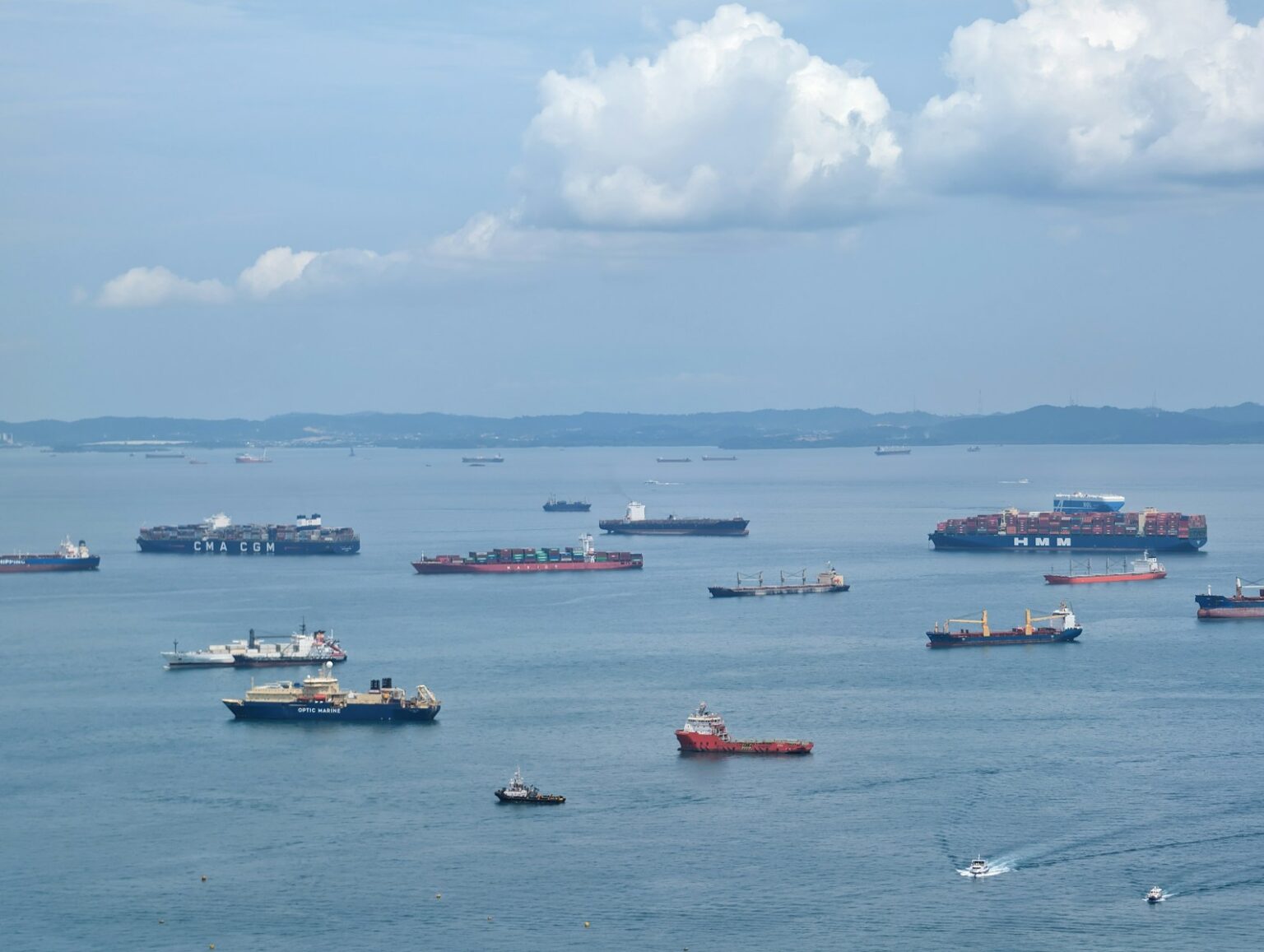
- The Strait of Hormuz handles approximately 25% of global oil and liquefied natural gas shipments. Its closure represents what the IEA described as the largest oil supply disruption in market history, with Brent surging past $100 per barrel.
- African producers, led by Nigeria and Angola, are receiving increased buyer interest from Europe and Asia as refiners scramble to replace Gulf-origin barrels. Nigeria’s Bonny Light and Forcados crudes are priced on a Brent-linked basis and benefit directly from the price spike.
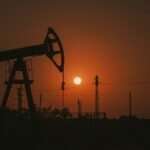
- Nigeria’s production bottlenecks constrain the upside. Theft, infrastructure deterioration, and underinvestment mean Nigeria is producing an estimated 1.4 to 1.6 million barrels per day against a nameplate capacity of over 2 million bpd. The gap represents approximately $30 million per day in lost revenues at current prices.
- Kenya’s petrol cover dropped to 16 days as Strait of Hormuz disruptions delayed Gulf Energy shipments. The government pivoted supply routes to India (Sikka port) and Belgium (Antwerp-Bruges) for April deliveries to maintain fuel security.
- Rwanda recorded a nearly 40% surge in fuel demand in April as the country stockpiled against supply uncertainty, reflecting the cascading anxiety about supply security running through East African markets.
- Gulf Energy, which handles over 80% of Kenya’s petrol imports under the government-to-government framework, has been sourcing from outside the war-affected zone. CS Opiyo Wandayi confirmed the G2G framework “remains stable and resilient” despite the disruption.
- OPEC production fell by an estimated 7.3 million barrels per day as Iranian output was curtailed by the conflict, further tightening the global supply balance.
Africa’s position in this disruption is structurally complex. On one side, African producers benefit from higher prices and redirected buyer demand. On the other, African importers — including Kenya, Ethiopia, Tanzania, and most of East and West Africa — face higher import costs, tighter fuel supply, and increased fiscal pressure. The continent is simultaneously an oil exporter and an oil importer, often within the same country. Nigeria is a net oil exporter at the national level but an importer of refined products. Kenya is entirely import-dependent for fuel.
The Bigger Picture: The Middle East conflict has revealed, again, how structurally exposed African economies are to external energy shocks. The African producers who should be capturing the demand surge are hampered by under-production. The African importers who need supply security are scrambling to reroute supply chains. The Dangote Refinery’s $4 billion refinancing, concluded just days before the crisis deepened, suddenly looks more strategically significant than it did as a routine corporate finance event. Africa needs more refining capacity, better upstream production from its own reserves, and deeper intra-African energy trade. The Strait of Hormuz disruption is not the cause of that gap — it is the latest reminder that the gap exists.
Source: AllAfrica / The Sharp Daily