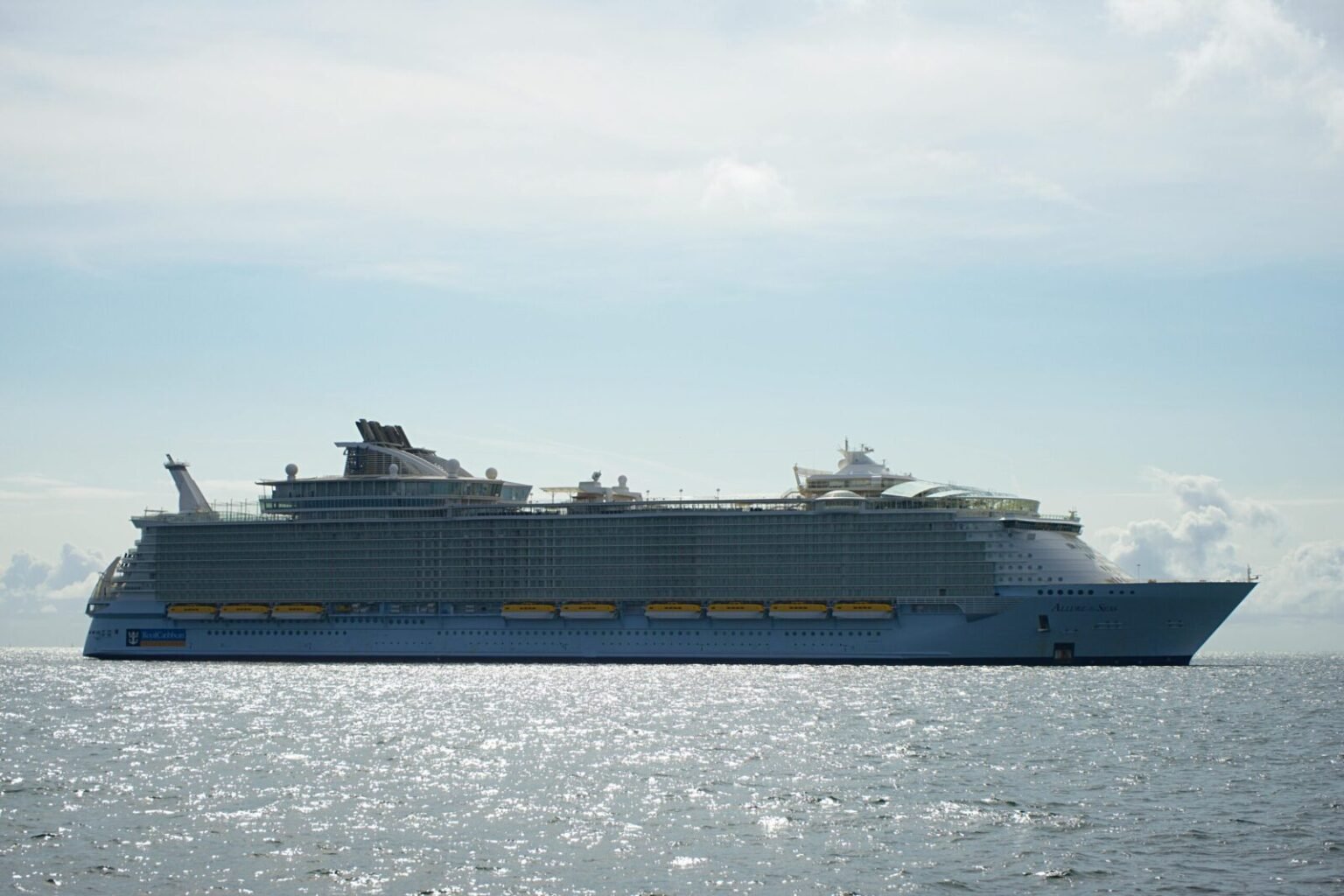
Kenya has introduced a 30 percent group discount for cruise passengers visiting national parks, targeting the gap between the 795 tourists who arrived on the Viking Sky at Mombasa and the roughly 160 who actually made it inland. Only about 20 percent of cruise visitors currently extend their stay to wildlife parks. The government wants to double that to 40 percent through the new pricing model, which covers Tsavo East, Tsavo West and Amboseli, operating from March to May 2026.
The programme, rolled out by the Kenya Wildlife Service in partnership with the government, will initially run through Pollmans Tours & Safaris before expanding to global operators including Abercrombie & Kent. KWS Director General Erustus Kanga described the discounted rates as a tool to make parks more accessible and improve the visitor experience for time-constrained cruise passengers.
Tourism Principal Secretary June Chepkemei said the cruise segment is now one of the fastest-growing areas in Kenya’s tourism industry, positioning the country on the Indian Ocean circuit. The Port of Mombasa serves as the primary gateway, with increasing numbers of cruise ships calling in as the sector recovers and expands post-pandemic. The initiative is expected to increase park revenues, improve visitor movement patterns and support conservation through additional funding.
The commercial logic is straightforward. A cruise passenger who spends a day in Mombasa generates limited additional revenue for the Kenyan economy beyond port fees and coastal retail. A passenger who boards a coach to Tsavo or Amboseli generates accommodation, park entry, transport and guide fees, and multiplies their contribution significantly. The discount is the price of unlocking that multiplier.
Bigger Picture: Kenya’s tourism sector generates approximately $1.7 billion annually and wildlife remains its anchor product. Cruise arrivals at Mombasa have grown consistently as global cruise itineraries expand into the Indian Ocean circuit, but conversion to park visits has lagged. The 30 percent discount is a targeted revenue-share: KWS accepts lower per-visitor income in exchange for higher volume, while operators and transport providers capture the incremental spend. If the conversion rate doubles from 20 to 40 percent as targeted, and cruise arrivals continue growing, the total incremental park revenue over the season could be material. The more strategically important outcome is establishing the cruise-to-park model as a standard product, which positions Kenya to negotiate with global cruise operators as a designated safari destination rather than a port stopover.
Source: Business Today Kenya