
Kenya is weighing a Sh220 billion ($1.7 billion) extension of its colonial-era metre gauge railway 640 kilometres from Nakuru to South Lokichar to ferry Turkana crude to the Indian Ocean coast by 2030, offering a cheaper alternative to an earlier pipeline plan. A parliamentary report approving Gulf Energy Ltd’s field development plan backs the rail option as more cost-effective, flexible, and multi-use.
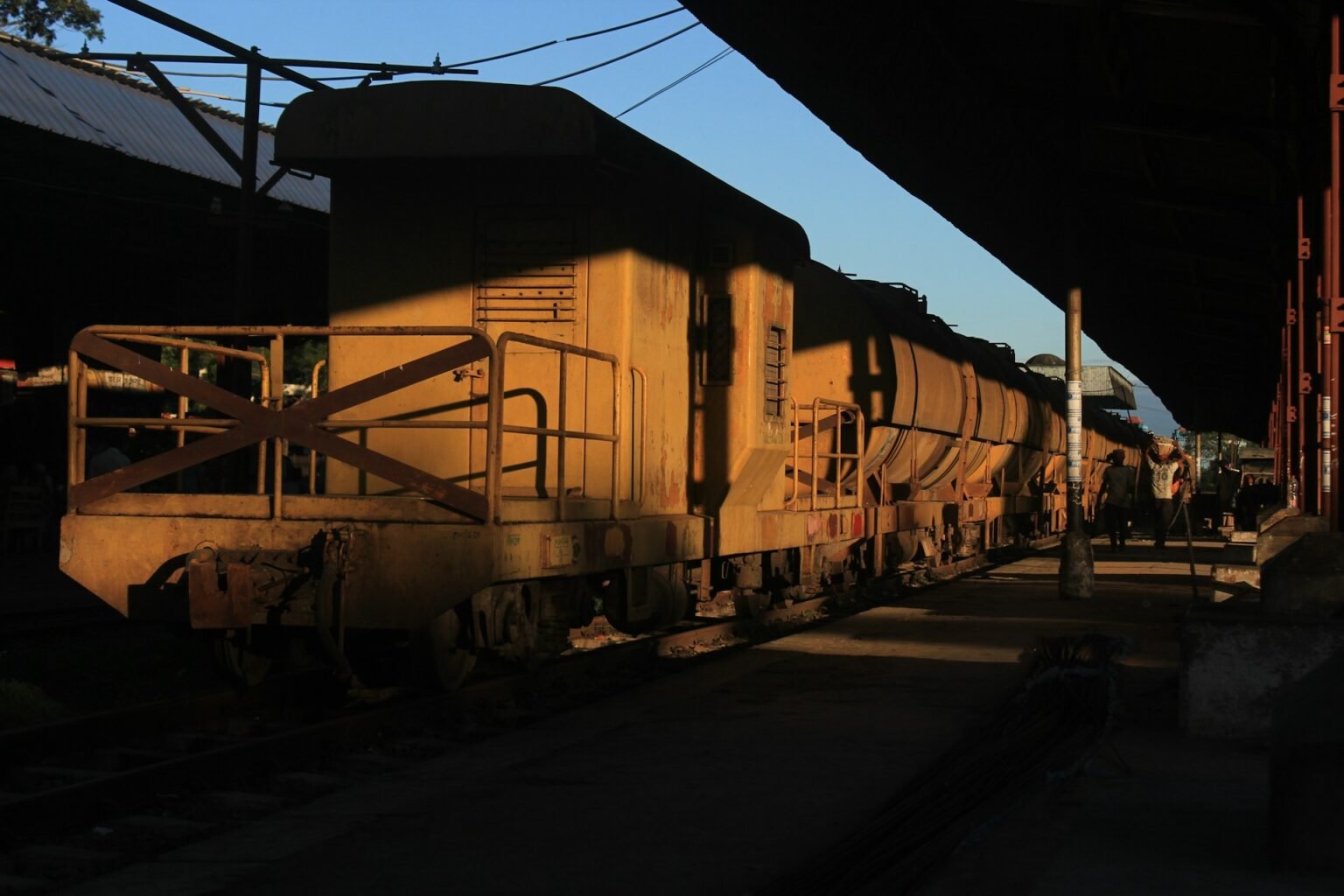
- The 640km MGR extension would run from Nakuru through Lokichar, with a further leg to Nakodok on the Kenya-South Sudan border. Phase two (from 2032) would deploy approximately 155 insulated, steam-heated rail wagons daily to carry crude to storage tanks at Kenya Petroleum Refineries Limited in Mombasa port.
- Metre gauge was chosen over standard gauge because an SGR line along the same route would cost an additional Sh300 billion. The lighter MGR design navigates rugged northern Kenya terrain with less tunnelling and lower construction costs.
- Phase one (2026 to 2032) moves crude by road: 600 trucks on a six-day schedule targeting 20,000 barrels per day. Later phases could reach approximately 50,000 barrels per day using the rail line.
- Gulf Energy acquired Tullow Oil’s Turkana assets for $120 million in April 2025 after TotalEnergies and Africa Oil had already walked away from financing. Gulf has secured a $15 million drilling rig from Great Wall Drilling Company in the UAE and targets first oil from Blocks 10BB and 13T by December 2026.
- Gulf Energy’s total investment commitment is $6 billion. Kenya Treasury projects oil revenues of $1.05 billion at $60 per barrel to $2.9 billion at $70 per barrel over the project’s lifespan. Kenya Pipeline Company stands to earn Sh42.3 billion in handling fees; Kenya Ports Authority a further Sh41.9 billion.
- The earlier LAPSSET pipeline to Lamu was estimated at Sh193 billion. Financing uncertainty and Tullow’s exit forced the pivot to rail as the near-term path to export.
Kenya has waited 14 years to become an oil exporter since Tullow Oil’s 2012 discovery in Turkana. Uganda will begin commercial crude exports from October 2026 via the East African Crude Oil Pipeline, positioning Kenya as the potential third EAC economy to export oil. The metre gauge railway, if built, does more than move crude: it is the first serious freight corridor into Kenya’s chronically underconnected northwest, where counties like Turkana and Lodwar remain cut off from national markets. The parliamentary report’s framing is deliberate: this is not just an oil line, it is a multi-use corridor that can carry clinker, cement, and minerals, making the investment case broader than crude alone.
Bigger Picture: At $70 per barrel over the project’s life, $2.9 billion in government revenue would materially change Kenya’s fiscal position. The December 2026 first-oil target is ambitious but backed by a rig already in transit. The real test is whether the $1.7 billion rail financing can be secured before the trucking phase becomes permanent rather than a bridge. Kenya’s SGR already runs at a loss and required Chinese debt financing that proved contentious. The MGR route costs less, serves more cargo types, and avoids duplicate infrastructure where the two rail gauges overlap between Mombasa and Naivasha. If financed well, it is a strategically sounder investment than either a dedicated pipeline or a second SGR.
Sources: Bloomberg / Business Daily Africa / Kenyans.co.ke