

IN SHORT: Kenya has released a draft national Agricultural Data and Digital Policy that aims to replace fragmented digital farming systems with a single unified architecture. The policy proposes a new central institution, KADIC, to coordinate digital agriculture across the country, and builds on a farmer database that already covers 7.2 million registered farmers.
Kenya has published its Draft Agricultural Data, Information and Digital Policy, a comprehensive framework that would replace the country’s patchwork of disconnected farming platforms with a unified national digital architecture anchored by a new coordinating body, the Kenya Agricultural Digital Information Centre (KADIC). The policy, released in March 2026, positions Kenya to scale AI, IoT, drones, and blockchain across its farming sector and extends digital financial services, including credit and insurance, to smallholder farmers.
- The Kenya Integrated Agriculture Management Information System (KIAMIS) already holds data on over 7.2 million registered farmers as of 2026 and forms the foundation for the new architecture.
- KADIC will serve as the single national institution responsible for coordinating digital agriculture programmes, managing sector-wide data, and driving innovation across public and private platforms.
- The policy mandates interoperability standards to allow land, finance, and market platforms to share data seamlessly, addressing a long-standing fragmentation problem that has limited the impact of prior digital agriculture investments.
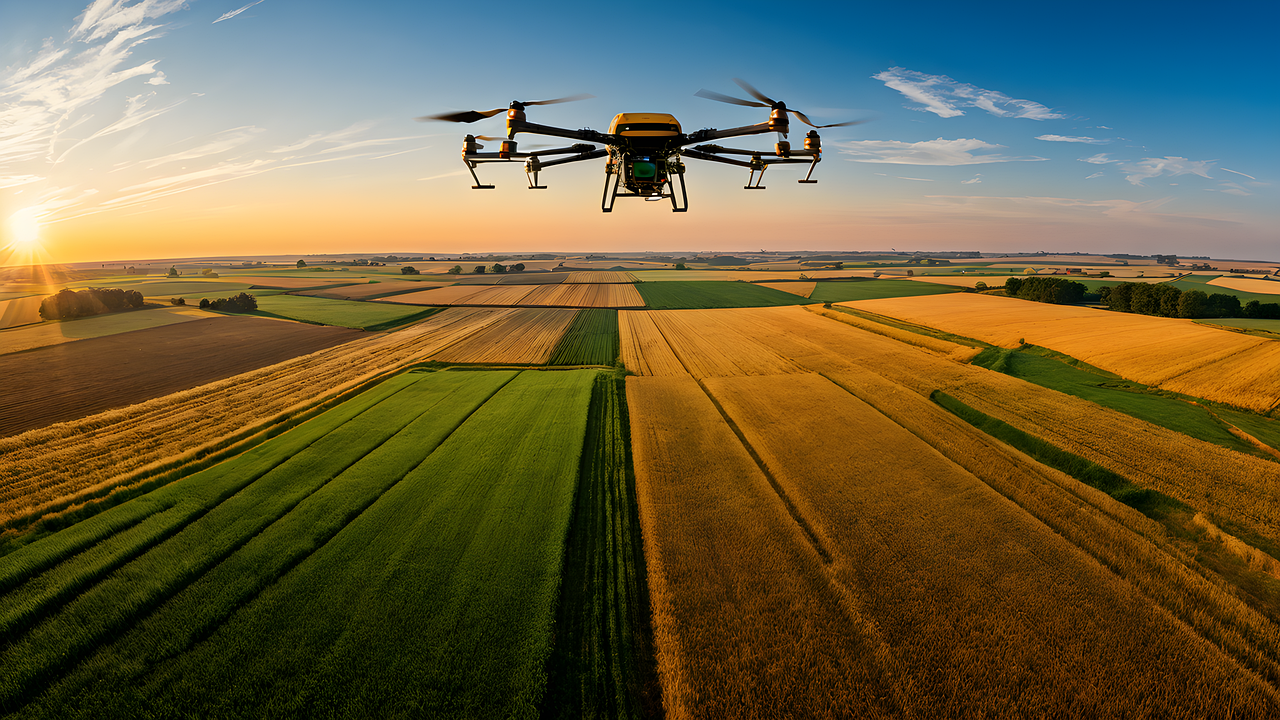
- Advanced technologies explicitly supported include artificial intelligence, IoT devices, drones, and blockchain for productivity enhancement, farm-level traceability, and improved decision-making.
- The framework enables private sector participation in delivering scalable digital services including credit, insurance, and e-voucher solutions through standardised data exchange.
- Personalised digital advisory services will provide farmers with climate-smart guidance and real-time market information.
- Women, youth, persons with disabilities, and marginalised communities are named as priority groups, with provisions to address high device costs and limited digital literacy.
- The policy aligns with Kenya’s Data Protection Act 2019, ensuring farmer data is governed by strict privacy and cybersecurity standards.
Kenya’s agricultural sector employs roughly 40% of the formal workforce and contributes approximately 22% of GDP. The proliferation of disconnected digital platforms, each with its own data standards and access requirements, has been one of the structural barriers to scaling precision agriculture and agricultural finance. The KIAMIS farmer registry, with 7.2 million records, is one of the most comprehensive agricultural datasets on the continent, but its value has been constrained by the inability of other platforms to access and build on it. The new policy directly addresses that constraint.
The Bigger Picture: Kenya is making a calculated bet that data infrastructure is the missing layer beneath every other agricultural productivity intervention. The private sector angle is where the commercial stakes lie: standardised data exchange opens the door for fintechs, agri-insurers, and logistics platforms to build scalable products on top of a national farmer registry without duplicating the costly exercise of building their own datasets. If KADIC is properly resourced and the interoperability standards are enforced, Kenya will have built what most African agricultural economies lack entirely: a unified digital substrate that private capital can deploy against. That is a more durable productivity driver than any single technology.
Source: TechAfrica News