
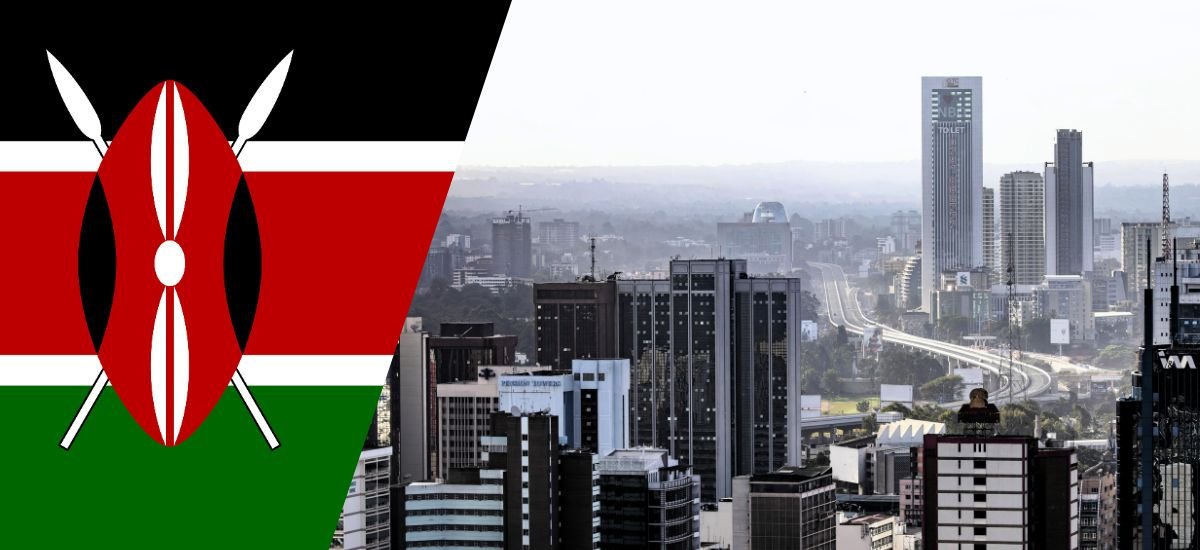
Treasury Cabinet Secretary John Mbadi has tabled Kenya’s 2026 Budget Policy Statement before Parliament, projecting GDP growth of 5.3% this year and positioning the economy as resilient after averaging 5% growth over the past three years. The statement sets the fiscal framework for the 2026/27 national budget and arrives as the government walks a tightrope between development spending and an elevated public debt load.
- GDP growth forecast for 2026 is 5.3%, up from 4.7% recorded in 2024
- Three-year average growth stands at roughly 5%: 4.9% in 2022, 5.7% in 2023, 4.7% in 2024
- Inflation eased to 4.3% in February 2026, within the government’s target band
- Lower food prices and stable fuel costs drove the inflation slowdown
- Priority sectors for job creation and exports: agriculture, manufacturing and ICT
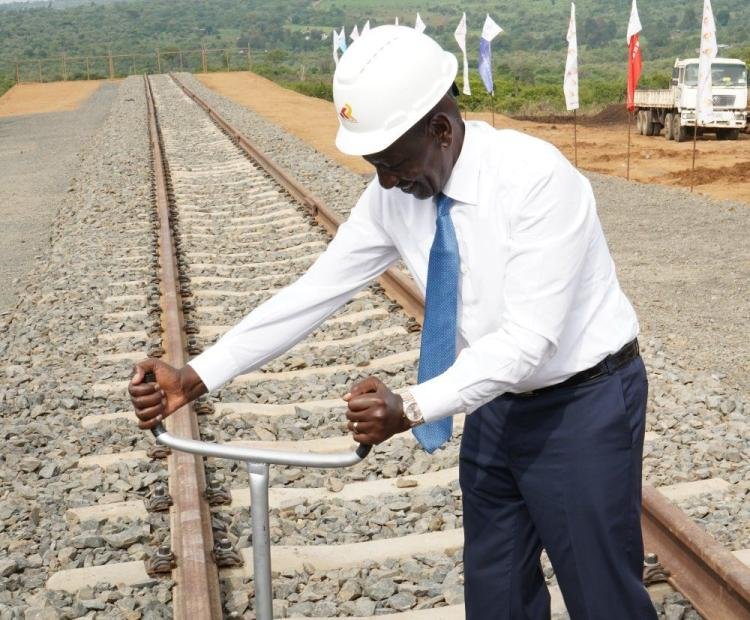
- Public investment in transport, energy and digital infrastructure to continue across counties
- Budget deficit has narrowed and public debt position described as stable by Treasury
- Parliament’s Budget and Appropriations Committee, chaired by Samuel Atandi, received the statement and will review it before lawmakers adopt final budget recommendations
The BPS, prepared under the Public Finance Management Act, sets revenue projections, expenditure ceilings and policy priorities for the year ahead. Kenya’s banks posted a 20% rise in pre-tax profit to Sh311.8 billion in 2025, signalling private sector momentum that the Treasury will be counting on to support its growth projections. The harder challenge is on the spending side. Kenya’s debt remains elevated and revenue collection has consistently fallen short of targets in recent years, leaving limited room to fund the infrastructure and social spending programmes the government is promising.
The Bigger Picture: Kenya’s 5.3% growth target is credible on paper but the gap between forecast and reality has been a recurring story. The underlying drivers are genuine: easing inflation gives the Central Bank room to keep cutting rates, cheaper credit feeds into business investment, and a growing digital economy is producing real productivity gains outside the formal statistics. What the Budget Policy Statement cannot easily fix is the structural revenue problem. Kenya collects taxes at around 14% to 15% of GDP, well below the sub-Saharan Africa average of roughly 17%, and the fiscal space to fund Vision 2030 ambitions without borrowing more does not exist at that collection rate. Until that gap closes, growth projections will keep running ahead of the public investment that is supposed to underpin them.
Source: Business Today Kenya