
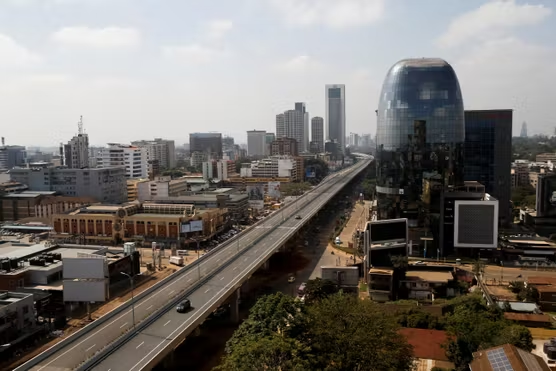
Kenya is entering 2026 with a three-pronged economic strategy centred on opening the Nairobi Securities Exchange to everyday investors, modernising agriculture in arid regions, and attracting renewed foreign direct investment into its position as East Africa’s premier business gateway.
Key Points
- The government is introducing fractional shares and mobile trading platforms to draw grassroots investors into the NSE, targeting savings currently held in informal groups
- Livestock farmers in Arid and Semi-Arid Lands are adopting climate resilient breeding techniques as erratic weather patterns intensify
- A new US-Kenya health deal is projected to reduce the cost of imported medicines, easing pressure on household budgets
- Multinational corporations are returning to Nairobi as a gateway to the East African Community market as international credit conditions improve
Context
Kenya’s 2026 economic agenda reflects hard lessons from years of over-reliance on a narrow investor base and climate vulnerable farming practices. Financial regulators are actively dismantling barriers that kept stock market participation the preserve of wealthy Kenyans, while agricultural innovators are responding to the reality that traditional farming models cannot survive intensifying droughts. At the same time, the treasury is walking a tightrope between aggressive debt restructuring and sustaining investment in Special Economic Zones and technology infrastructure that underpin the country’s manufacturing ambitions.
Why It Matters
Kenya’s ability to deepen domestic capital markets while diversifying its agricultural base will determine whether East Africa’s largest economy can convert its youthful, entrepreneurial population into a genuine growth engine. A more inclusive NSE could unlock billions of shillings from informal savings, funding the very infrastructure and businesses Kenya needs to shift from importing finished goods to producing them. The outcome will set a template for other African economies facing the same demographic opportunity and climate challenge simultaneously.
Source: Streamline Feed