
IN SHORT: Kenya and the US are deepening defence ties across counterterrorism, maritime security, and emerging technology, with a series of high-level engagements in early 2026. The US is spending $71.3 million expanding the Manda Bay airbase in Lamu County. Kenya is now the US’s most significant security partner in sub-Saharan Africa.
Kenya and the United States have significantly intensified their defence partnership in 2026, with multiple high-level engagements, joint exercises, and infrastructure investment consolidating what US officials describe as the most strategically important bilateral security relationship in sub-Saharan Africa. The latest development came on March 24 when Kenya’s Chief of the Defence Forces, General Charles Kahariri, hosted the Commander of US Naval Forces Europe and Africa, Admiral George Wikoff, at Defence Headquarters in Nairobi for talks covering regional security, counterterrorism, maritime threats, and the role of emerging technologies in modern defence operations.
- On January 29, AFRICOM Commander General Dagvin Anderson and US Deputy Secretary of State Christopher Landau attended a groundbreaking ceremony at Manda Bay, Lamu County, for a $71.3 million runway expansion project at the US-Kenya cooperative security location. Anderson described Kenya as “a key partner for peace and security in East Africa” and said the infrastructure would strengthen the ability of both forces to “deter, disrupt, and defeat terrorist organisations.”
- On February 5, AFRICOM Deputy Commander Lieutenant General John Brennan visited Nairobi for talks with General Kahariri focused on intelligence sharing, operational readiness, and countering al-Shabaab. The meeting followed AFRICOM Commander Anderson’s earlier visit to Kenya alongside US Deputy Secretary of State Landau, signalling coordinated political and military engagement.
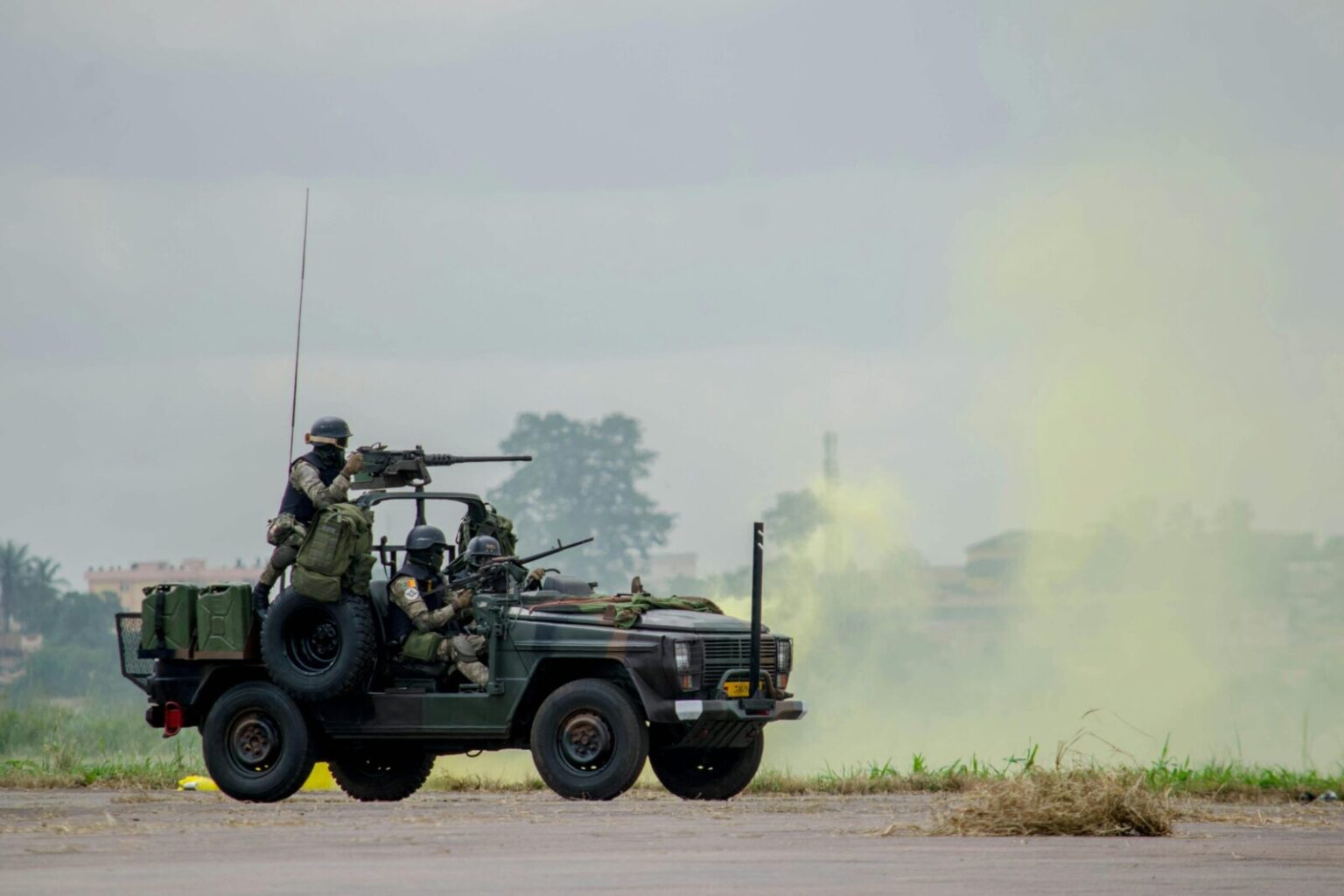
- Exercise Justified Accord 2026, AFRICOM’s largest annual multinational exercise in East Africa, ran from February 23 to March 13 across Djibouti, Kenya, and Tanzania, integrating approximately 1,500 personnel from 15 nations. The exercise incorporated AI into operational planning and included counter-UAS technology validation alongside conventional counterterrorism training.
- Threats driving the partnership include al-Shabaab activity in Somalia and along Kenya’s northeastern border, maritime insecurity in the Indian Ocean, transnational crime networks, and the proliferating use of drones by non-state actors across the region.
- Kenya was designated a major non-NATO ally by the US in 2024 under former President Biden, making it the first sub-Saharan African country to receive that status, which unlocks additional military financing, training access, and equipment transfer provisions.
The depth of the US investment in Kenya’s security infrastructure is notable in the context of a Trump administration that has generally reduced its global military footprint. The Manda Bay expansion and sustained AFRICOM engagement signal that East Africa remains a priority theatre for US counterterrorism operations, with al-Shabaab and its affiliates viewed as ongoing threats to regional stability and, indirectly, to Gulf shipping lanes that run through the Indian Ocean. Kenya has simultaneously been testing its own independent security ambitions through the Haiti mission, building a record as a country willing to project force beyond its own borders in support of multilateral stability operations.
Bigger Picture: Kenya is navigating a security environment that is growing more complex on every axis simultaneously. Al-Shabaab remains active and adaptive along the Somalia border. The Iran war has disrupted Gulf shipping and created new maritime risk in the Indian Ocean. Drone technology is proliferating among non-state actors faster than regional militaries can develop countermeasures. The US partnership provides Kenya with intelligence sharing, training, technology access, and infrastructure that its defence budget alone could not fund. In return, the US gets a stable, professional, English-speaking partner in the region’s most strategically located country, sitting astride Indian Ocean trade routes and sharing a border with Somalia. The relationship is genuinely mutual. What Kenya must manage carefully is the diplomatic cost: deepening security ties with Washington while maintaining the independent foreign policy posture that gives Kenya credibility as a mediator and regional leader across African forums.
Source: Kenya Ministry of Defence / AFRICOM / DefenceWeb / The Defense Post