

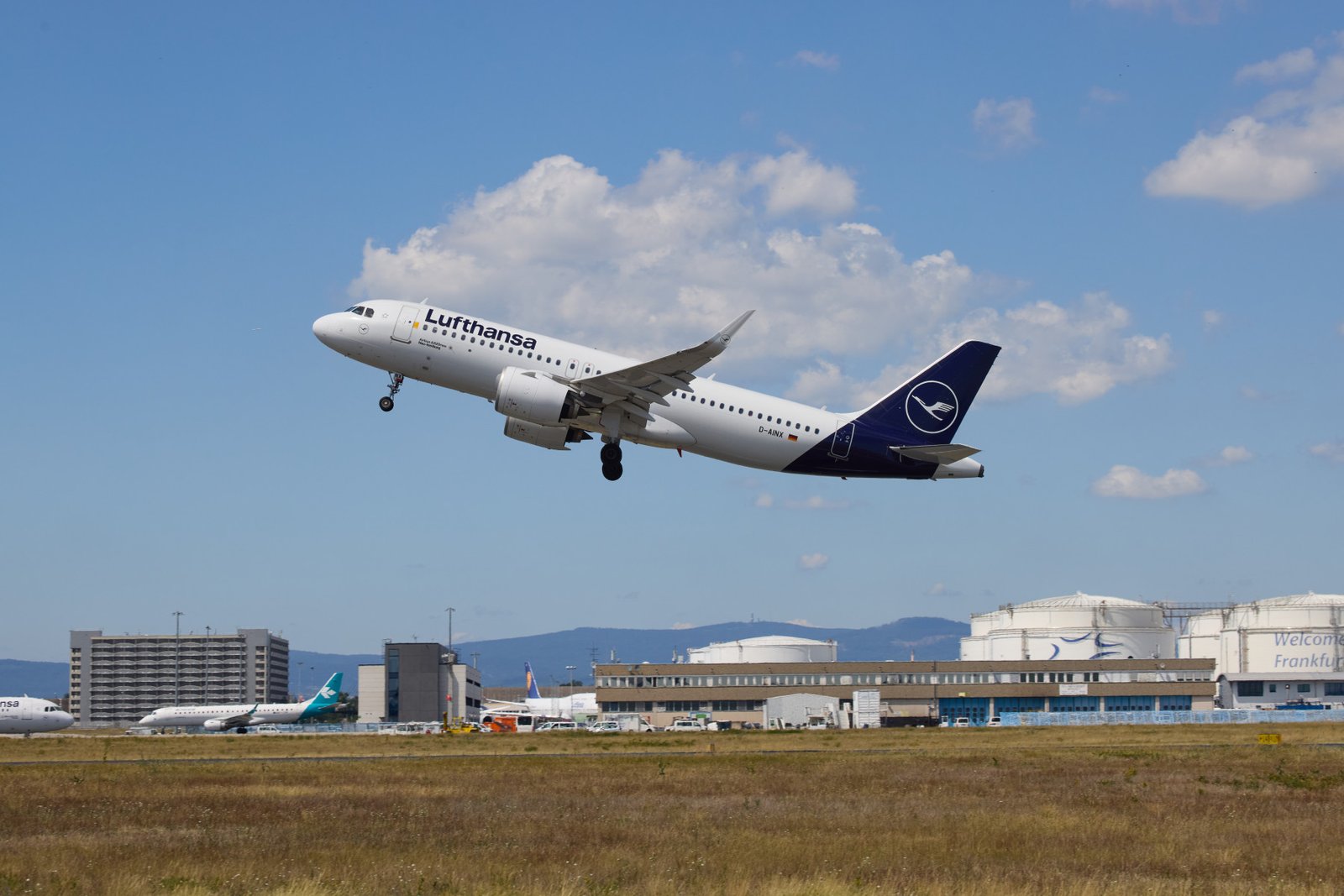
Lufthansa Group is adding special flights to Cape Town and expanding service to Nairobi while growing long-haul capacity by 6% in 2026, capitalising directly on the grounding of Gulf carrier routes following the closure of Middle East airspace. For African aviation, the shift represents a structural opportunity: European carriers filling the vacuum left by Emirates and Qatar Airways with more direct, higher-frequency European connections.
- Lufthansa Airlines is adding two special return rotations from Frankfurt to Cape Town immediately, on top of a planned frequency increase from three to five weekly flights from April 2026.
- Nairobi is a new addition to the Lufthansa long-haul network for 2026, connecting Kenya’s capital directly to Frankfurt.
- Brussels Airlines, the Lufthansa Group’s Africa specialist, is adding Kilimanjaro (Tanzania) as its 18th sub-Saharan African destination from June 2026, with two flights per week.
- Edelweiss (Swiss subsidiary) extends seasonal Cape Town service from Zurich for summer 2026; Windhoek (Namibia) joins with twice-weekly flights from June.
- Lufthansa Group CEO Carsten Spohr described the Gulf hub model as a "geopolitical Achilles’ heel," citing a 75% year-on-year surge in April bookings to Asia and strong demand growth for South Africa.
- The group reported a 2025 operating profit of EUR 2 billion and plans to take delivery of 45 new aircraft in 2026, with Airbus A350-900 and Boeing 787-9 assigned to key African routes.
The Middle East airspace crisis has reshuffled the global aviation map at speed. Emirates and Qatar Airways, which between them carry a substantial share of Europe-Africa traffic via Dubai and Doha, are operationally constrained. Lufthansa is moving quickly to absorb the displaced demand. The timing also coincides with Lufthansa’s pre-planned summer 2026 Africa expansion, which was already the carrier’s most ambitious African schedule since the pandemic. The confluence of a structural opportunity and an already-prepared network upgrade gives Lufthansa significant first-mover advantage in capturing new loyalty on European-African routes.
Bigger Picture: For African business travel, this is unambiguously positive. More direct European connections to Nairobi, Cape Town, Kilimanjaro, and Windhoek mean lower fares, more schedule flexibility, and reduced dependency on Gulf hub connections that have now proven fragile. For African airports and tourism boards, Lufthansa’s expansion is a validation of demand. The deeper strategic question is whether this is a temporary crisis response or the beginning of a permanent rebalancing of Europe-Africa aviation away from Gulf hubs toward direct routing. The evidence from Lufthansa’s planned capacity investments suggests the latter.
Source: Bloomberg / Business Travel News Europe