
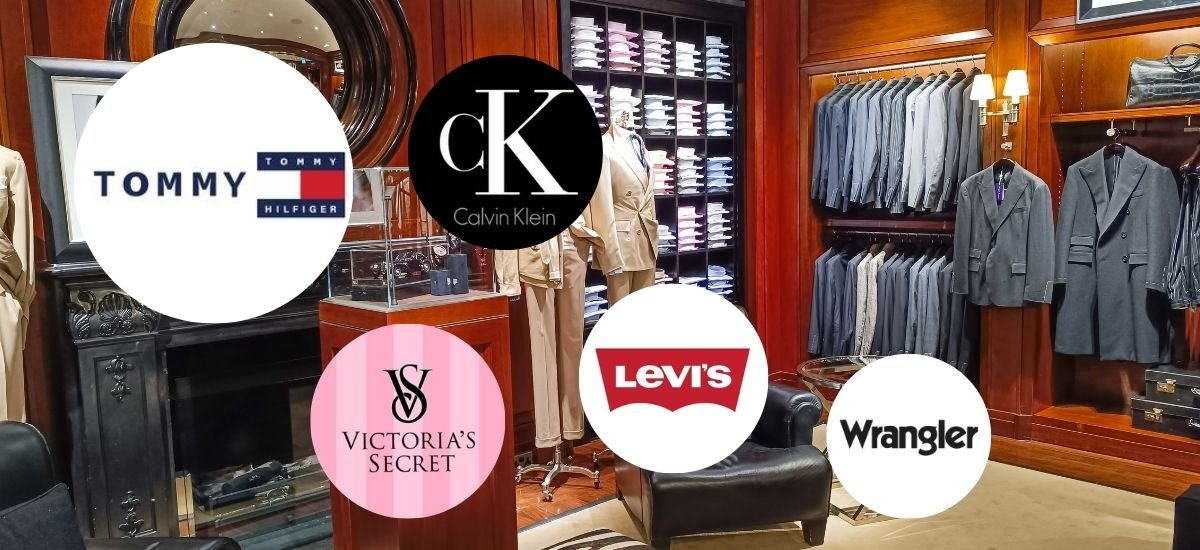
Five of the world’s most recognised fashion labels, including Levi’s, Calvin Klein, and Victoria’s Secret, are manufactured inside Kenya’s export processing zones, making Nairobi a quiet but significant node in the global apparel supply chain.
Kenya’s garment industry is concentrated in EPZs around Athi River, Nairobi, and Mombasa, where foreign-owned factories operate under tax incentives and duty-free export terms. Two companies anchor the entire sector.
United Aryan (EPZ) Ltd, founded in 2002, is the largest apparel manufacturer in sub-Saharan Africa by workforce, employing over 10,000 Kenyans at its Athi River facility. It produces denim and woven garments under contract for two of America’s most iconic labels: Levi’s and Wrangler. Both brands route volume jeans and casual wear production through United Aryan’s Nairobi operation for export to the US market.
Hela Clothing, the Sri Lanka-headquartered manufacturer with 17,000 workers across 11 facilities in Sri Lanka, Kenya, and Ethiopia, operates two factories in Kenya. Its Kenyan EPZ operation produces intimatewear, sportswear, and kidswear for PVH Corp’s Calvin Klein and Tommy Hilfiger labels, as well as for Victoria’s Secret. Hela describes its Kenyan factories as central to its sustainability strategy, having implemented RFID tagging and inventory management systems specifically at the Nairobi facility.
Together, these five brands and the two factories behind them represent Kenya’s clearest argument to global buyers: factory-grade production quality, competitive labour costs, and, until recently, duty-free access to the US market under AGOA.
That access is now precarious. AGOA expired on September 30, 2025. For four months, Kenyan apparel faced a 33% tariff spike on US-bound goods. United Aryan cut 1,000 jobs, roughly 10% of its workforce, before President Trump signed a retroactive one-year extension on February 3, 2026. The reprieve runs through December 2026, the shortest authorisation in the programme’s 25-year history. Kenya exported $533 million in textiles and apparel to the US in 2024, making it the largest AGOA-eligible African exporter in the sector.
Bigger picture: Kenya is not a marginal player in global fashion supply chains. It is the physical location where some of the world’s biggest clothing labels are assembled and shipped. The brands on this list command combined annual revenues well above $50 billion. Their continued presence in Kenyan EPZs depends almost entirely on what happens to AGOA before December 31, 2026. A second lapse would not just threaten factory jobs. It would push orders to Bangladesh and Vietnam within weeks, dismantling a manufacturing base that took two decades to build. For President Ruto, who is negotiating a bilateral trade agreement with Washington to replace AGOA dependency permanently, the clock has never been more visible.
Sources: TechCabal / Fibre2Fashion / Hela Clothing / The Exchange Africa