IN SHORT: Ghana has launched a national AI literacy programme for civil servants, beginning March 24 in Accra. Led by the Ministry of Communication, Digital Technology and Innovations in partnership with UNESCO, the initiative will train government workers across four cohorts through May 2026 using a Training-of-Trainers model designed to cascade AI knowledge across all ministries.
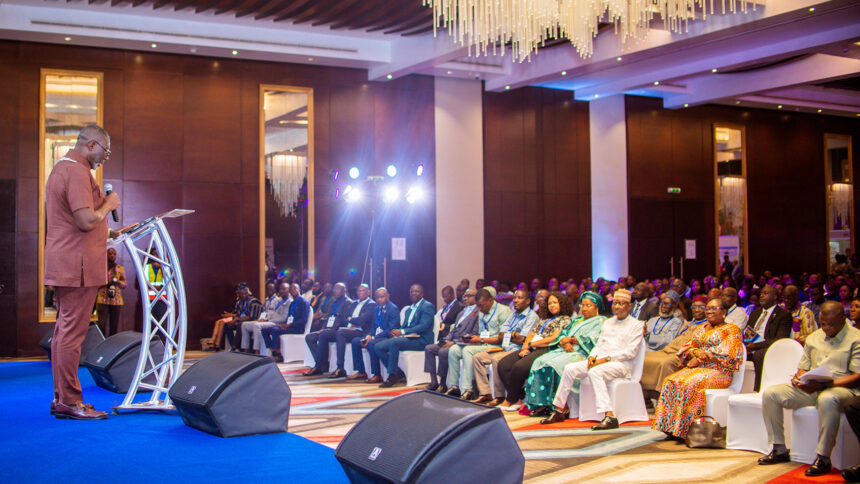
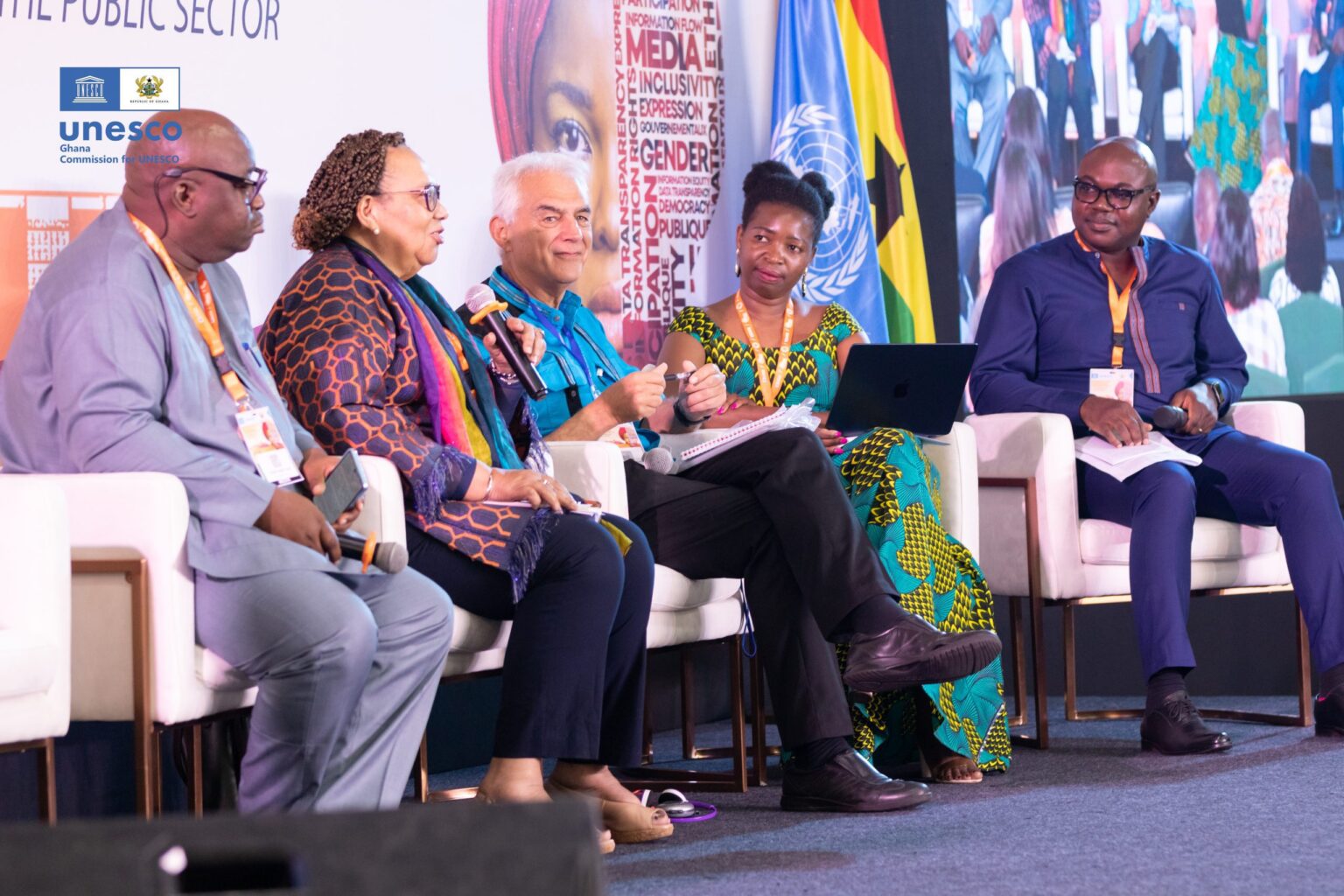
Ghana has begun training its civil servants in artificial intelligence as part of a national programme designed to equip the public sector with the foundational AI knowledge needed to implement the country’s National AI Strategy 2023 to 2033, with UNESCO serving as the delivery partner. The first three-day cohort ran from March 24 to 26 at the Best Western Premier Hotel in Accra, with three further cohorts to follow through May 2026.
- The programme covers machine learning, neural networks, and the AI development process, including the distinction between predictive AI that forecasts outcomes and generative AI that creates new content.
- A Training-of-Trainers model is built into the design, enabling participants to cascade knowledge across Ministries, Departments, and Agencies after each cohort.
- Strong emphasis is placed on ethical and risk considerations including algorithmic bias, misinformation, data privacy, and cybersecurity as core curriculum elements, not electives.
- The programme is facilitated by UNESCO consultants and AI governance specialists, positioning it as a globally benchmarked initiative rather than a domestically designed course.
- Alfred Nortey, Director of General Administration at the Ministry, said AI offers opportunities to improve efficiency, strengthen policy development, and enhance service delivery, while requiring careful governance and ethical oversight.
- Dr Elizabeth Obeng-Yeboah of the Office of the Head of the Civil Service called on participants to translate national AI policy into measurable outcomes.
Ghana’s National AI Strategy 2023 to 2033 is one of the most structured AI governance frameworks on the continent. Training the civil service is the implementation layer that strategy documents rarely reach: a government that has articulated an AI vision but whose public servants cannot evaluate, procure, or oversee AI systems is a government that will find its strategy captured by vendors rather than directed by policy. The UNESCO partnership gives the curriculum international credibility and links Ghana’s approach to global best practice on AI ethics and governance.
The Bigger Picture: Governments across Africa have been faster than their private sectors to publish AI strategies, but slower to build the institutional capacity to execute them. Ghana’s civil servant training programme addresses the implementation gap directly. The Training-of-Trainers architecture is the right design choice: it multiplies impact at near-zero marginal cost and embeds AI literacy into the institutional fabric of government rather than concentrating it in a single unit. If the four cohorts deliver what the model promises, Ghana will have meaningfully closed the gap between its AI strategy and its government’s ability to act on it, which is a competitive advantage in attracting AI investment and building public trust in digital government services.
Source: TechAfrica News