
The International Justice Mission has rescued more than 500 child trafficking victims in Ghana over the past decade, working with the Ghana Police Service and Department of Social Welfare since 2015. The decade of joint operations has resulted in more than 235 suspects arrested and over 70 convictions secured. The figures were disclosed at Ghana’s first Public Justice System Leaders’ Summit in Accra on March 17, convened to strengthen cross-institutional collaboration on trafficking.
Anita Budu, IJM Ghana’s Director of West Africa Programmes, presented the cumulative numbers at the summit and called for substantially greater state investment in the agencies responsible for investigations, victim care, and prosecutions. "There is a real need for internal investment so that our social welfare officers and police officers are adequately resourced to deal with these cases on a daily basis," Budu said. She was specific about what is missing: shelters, case management resources, and frontline capacity.
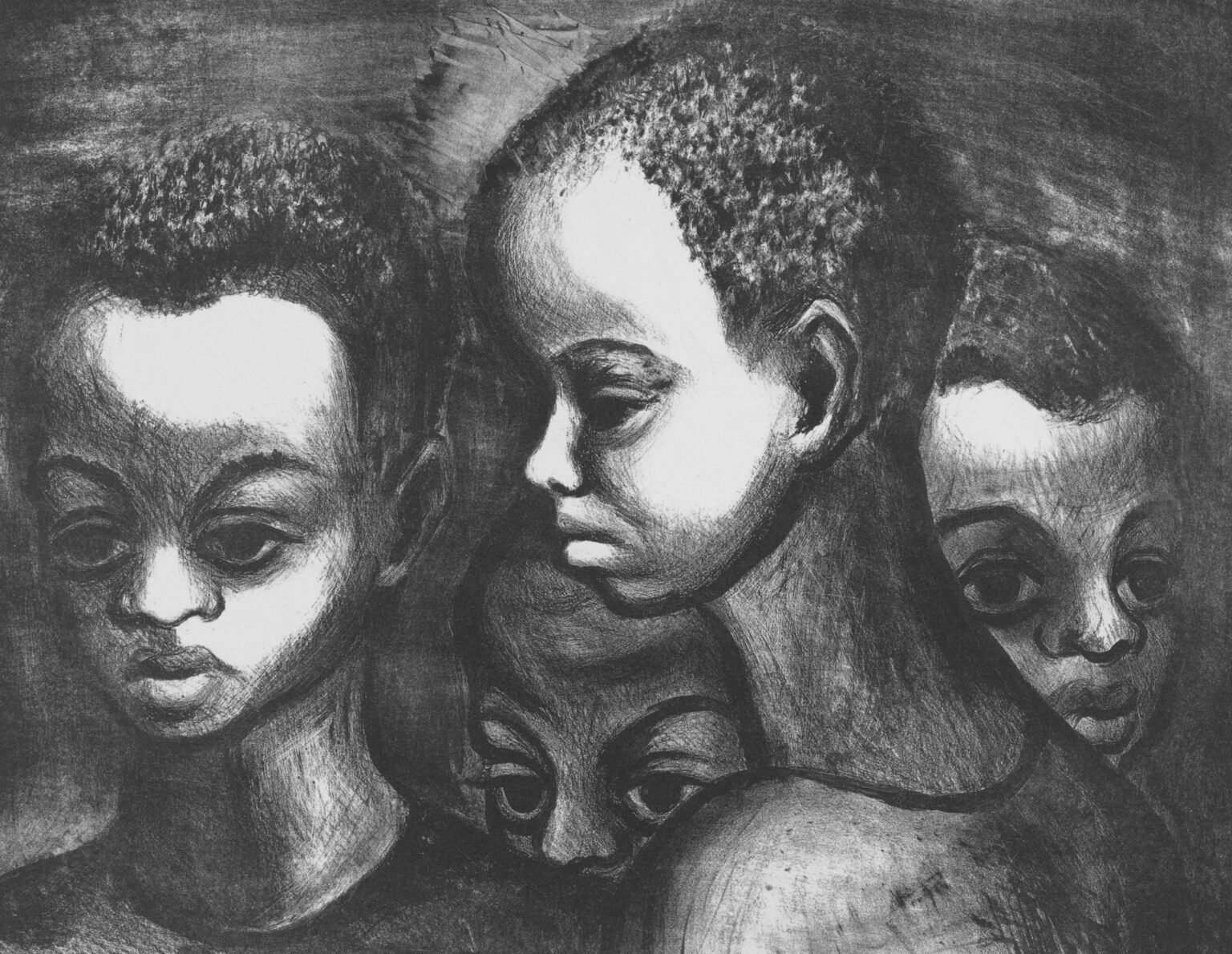
The summit gathered regional and district leaders from the Ghana Police Service, the Department of Social Welfare, and the Office of the Attorney-General, drawn from Greater Accra, Central, Eastern, Volta, and Oti regions. The geographic focus reflects where the problem is most acute. Lake Volta, which runs through the Volta and Oti regions, is one of West Africa’s most persistent sites of child trafficking, where boys as young as five are forced into hazardous fishing labour on the water for years.
Andrews Dodzi Adugu, Senior State Attorney and focal person for trafficking prosecutions in the Volta and Oti regions, confirmed that shelter capacity is the most immediate operational constraint. "Taking rescued children to shelters and sustaining them through the trial process is not easy because we do not have enough shelters," he said. Without adequate shelter, rescued children cannot be safely held through what are often multi-year prosecution timelines, creating real risk that victims are returned to vulnerable situations before convictions are secured.
The 70 convictions over a decade against 235 arrests is a prosecution completion rate of approximately 30 percent. Whether that reflects case withdrawals, acquittals, or delayed proceedings is not broken down in the summit disclosure, but it points to the same structural constraint: the justice system’s throughput capacity does not match its enforcement ambition.
Bigger Picture: Ghana has built one of West Africa’s more functional child trafficking enforcement partnerships, with IJM providing the institutional bridge between civil society and state agencies that most countries in the region lack. The decade-long results are real. But 500 rescues over ten years, at roughly 50 per year, against a Lake Volta fishing sector that has been documented trapping thousands of children at any given time, signals that enforcement capacity is still orders of magnitude below the scale of the problem. The investment ask from IJM Ghana is not foreign aid. It is domestic budget allocation to social welfare officers and police who are already doing the work. That is a governance decision, and the summit’s existence suggests Ghana’s new administration under President John Mahama is at least listening.
Source: Ghana Business News