

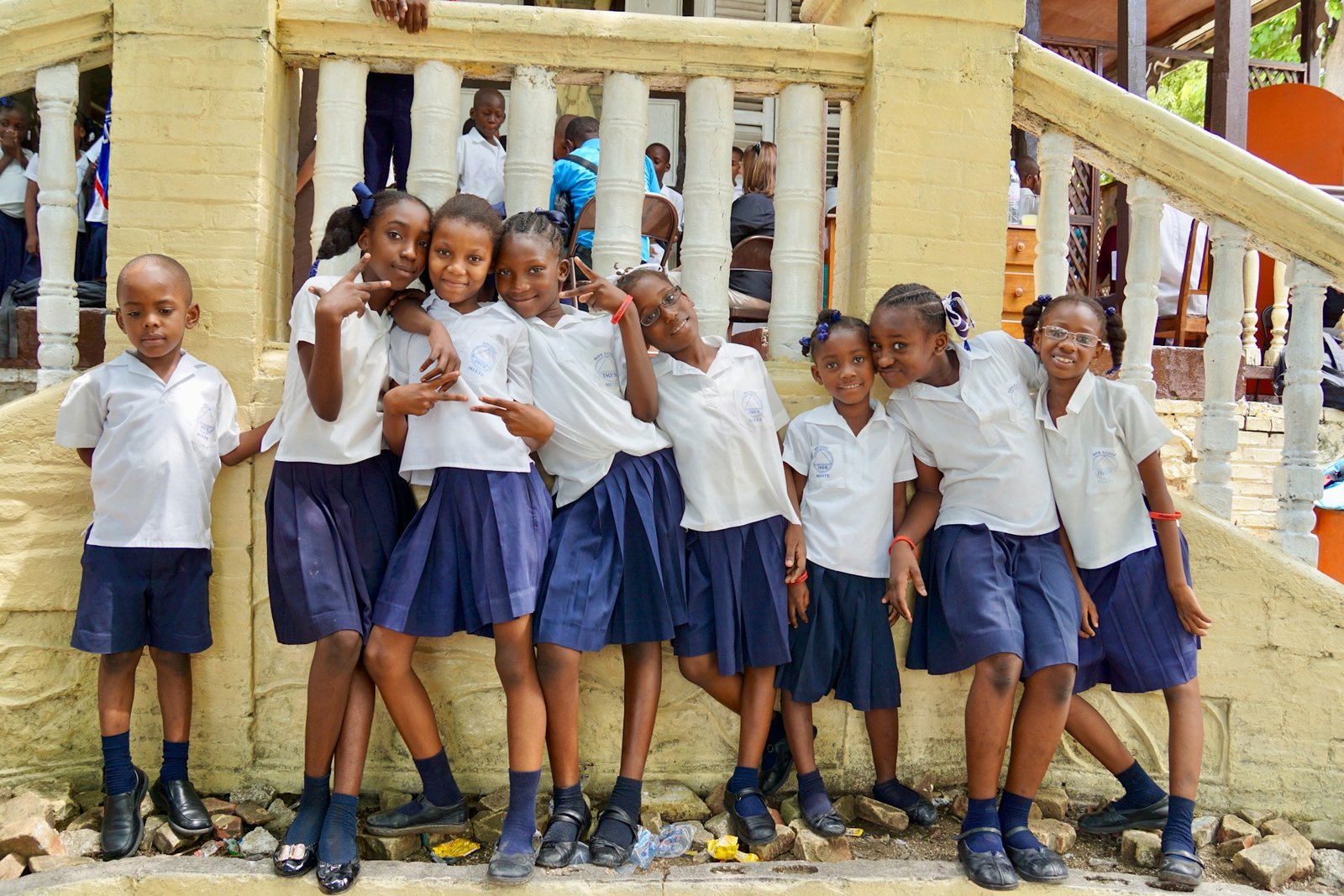
Ghana’s former Second Lady Matilda Amissah-Arthur has called for urgent national action to close literacy gaps among young girls, framing the issue as a development imperative rather than a gender concern.
Speaking at a Ghana Library Authority event in Accra to mark International Women’s Day, Amissah-Arthur pointed to Ghana’s newly enacted Affirmative Action (Gender Equality) Act 2024 as a signal of intent, but argued that political will must translate into concrete support for girls in the classroom.
- Many girls in Ghana still drop out of school due to poverty, lack of mentorship, and limited support systems, she warned.
- She called on girls to pursue STEM and ICT subjects specifically, urging them to "break into the male-dominated areas and bridge the digital divide."
- The event was organised by the Ghana Library Authority under the theme: "Her Voice in Libraries: Women Transforming Literacy in Ghana."
- The GLA’s Executive Director, Alhassan Ziblim Bentintiche, announced plans to expand Ghana’s library infrastructure and digital resources, with a focus on attracting youth.
- The Ministry of Education’s Chief Director, Lydia Essuah, acknowledged persistent gaps in progression and learning outcomes despite overall progress on gender equality in education.
The event brought together government officials, educators, and civil society representatives to assess the role of libraries in advancing lifelong learning for girls and women across the country.
Bigger picture: Ghana’s Affirmative Action Act 2024 is among the most significant legislative moves on gender equality in West Africa in recent years. But legislation alone does not close a literacy gap. The pressure points Amissah-Arthur identified, including poverty-driven dropout, absent mentorship, and underinvestment in library infrastructure, are structural. For a country that positions itself as West Africa’s democratic and institutional benchmark, translating the Act into measurable gains in female literacy and STEM participation will be the real test. Ghana’s economic competitiveness over the next decade depends partly on whether it can bring the full working-age population into a knowledge economy. Girls who drop out before secondary school are not available for that workforce.
Source: Ghanaian Times