
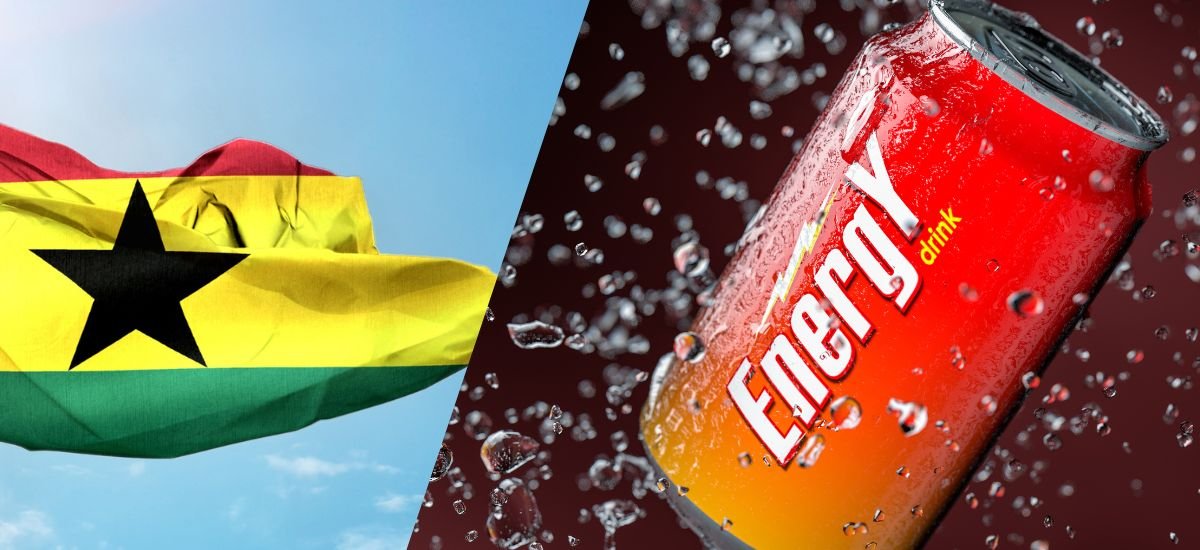
Ghana’s Food and Drugs Authority has ordered all importers, manufacturers and distributors of pre-mixed drinks combining alcohol with stimulants to clear their products from the market by the end of March 2026, citing serious public health risks from the combination and aligning the country with a growing global consensus against the category.
The affected products are those formulated with caffeine, inositol, glucuronolactone, ginseng or guarana in combination with alcohol. The FDA’s decision follows a post-registration review conducted under Sections 81 and 82(a) of Ghana’s Public Health Act, 2012, which gave the Authority power to reassess previously approved products where new evidence or international trends indicate risk. The agency’s Food Expert Committee, including the Technical Advisory Committee on Food Safety and Nutrition, concluded that mixing alcohol with stimulants masks the subjective experience of intoxication, encourages greater consumption, increases risky behaviour and poses particular dangers for young people and consumers who may not be aware they are drinking a stimulant-alcohol combination. Products remaining on shelves after the March deadline will be subject to regulatory sanctions and forced withdrawal. Manufacturers have also been instructed to reformulate, offering alcoholic beverages and energy drinks as separate, independently compliant products rather than blended ones.
Ghana is joining a long list of jurisdictions that have taken regulatory action against the category. Canada banned pre-mixed alcoholic energy drinks in 2010. The United States Food and Drug Administration ruled that caffeine is an unsafe food additive in alcoholic beverages. Lebanon banned production, importation and marketing of alcohol-mixed energy drinks in 2014. Sweden introduced age limits and pharmacy-only sales restrictions on certain energy drinks following alcohol-related deaths. The FDA stated that its review specifically considered these international regulatory trends in reaching its conclusion.
The FDA’s directive applies to the full supply chain and the agency urged consumers to report any non-compliant products that remain available after the deadline.
The Bigger Picture Ghana’s ban reflects a broader tightening of food and beverage regulation across Africa, driven partly by growing youth populations, rising disposable incomes and the rapid expansion of packaged consumer goods into markets that previously lacked the regulatory infrastructure to assess them. The alcoholic energy drink category has been specifically aggressive in targeting young urban consumers across West Africa, where brand recognition and nightlife culture have made the products mainstream faster than health agencies could respond. Ghana acting now, with a hard market withdrawal deadline rather than a phase-out or labelling requirement, positions the FDA as a regulator willing to move decisively when the evidence warrants it and sets a precedent other ECOWAS member states may follow.
Source: Food Business MEA