
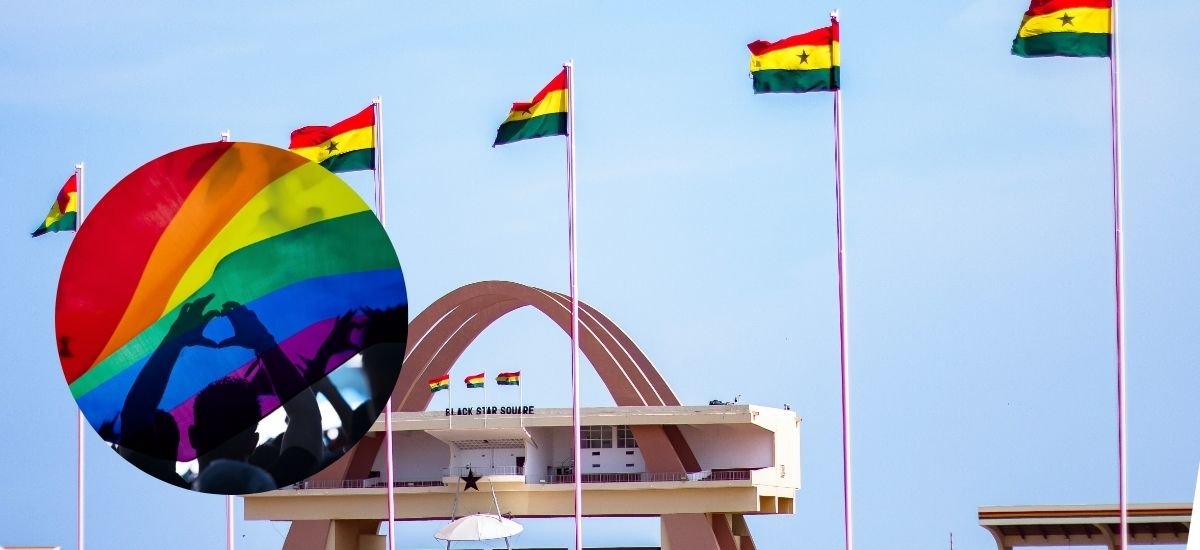
Ghana’s parliament formally received the Human Sexual Rights and Family Values Bill on February 17, reviving legislation that previously passed in 2024 but lapsed without presidential assent. President John Mahama, who took office in January 2025, has signalled his intention to sign it.
- The bill imposes up to three years in prison for anyone who identifies as LGBT, and extends criminal liability to individuals and organisations that advocate for LGBT rights, including parents, teachers, journalists, doctors, and human rights defenders.
- It would force LGBT organisations to dissolve and expose their donors and partner organisations to prosecution.
- A previous version passed parliament in February 2024 but expired after then-President Akufo-Addo declined to sign it, citing rule of law concerns.
- President Mahama’s position is the opposite: he has publicly pledged to sign the bill into law.
- Ghana is set to host the fourth African Inter-Parliamentary Conference on Family and Sovereignty in Accra in May 2026, a platform with documented ties to US-based far-right advocacy networks. Previous editions featured speakers who promoted Uganda’s Anti-Homosexuality Act as a regional model.
- Opposition to the bill exists within Ghana. Cardinal Peter Turkson and politician Samia Nkrumah have called for dialogue. Ghana’s Commission on Human Rights and Administrative Justice has warned parliament the bill would infringe fundamental rights.
The bill is the latest escalation in a legal process that began in 2021, when Ghana’s Supreme Court upheld a colonial-era law criminalising same-sex conduct. The new legislation goes significantly further, extending criminal exposure to any expression of LGBT identity and to anyone associated with advocacy. For international businesses operating in Ghana, the practical risks include exposure of employees, partners, and affiliated organisations to prosecution, as well as reputational risk in markets where ESG and human rights compliance standards are hardening.
Bigger Picture: Ghana has long positioned itself as one of West Africa’s most stable democracies and a reliable destination for foreign investment. This bill, if enacted, would place the country in direct conflict with the human rights frameworks underpinning development finance from multilateral institutions and many bilateral donors. The investor risk is not abstract: broad criminal liability that extends to donors and partner organisations means that any institution with operations in Ghana must now assess its legal exposure. How Mahama navigates international pressure in the coming weeks will say a great deal about the kind of governance environment Ghana intends to project to the world.
Source: Human Rights Watch