
IN SHORT: Ghana’s inflation fell to 3.2% in March 2026, the 15th consecutive monthly decline, down from 3.3% in February. Twelve months ago the same measure stood at 23.1%. The country is forecasting GDP growth of 5.6% in 2026 and a budget deficit of around 2.7% of GDP, underscoring how far the macro environment has shifted since the 2022 crisis.
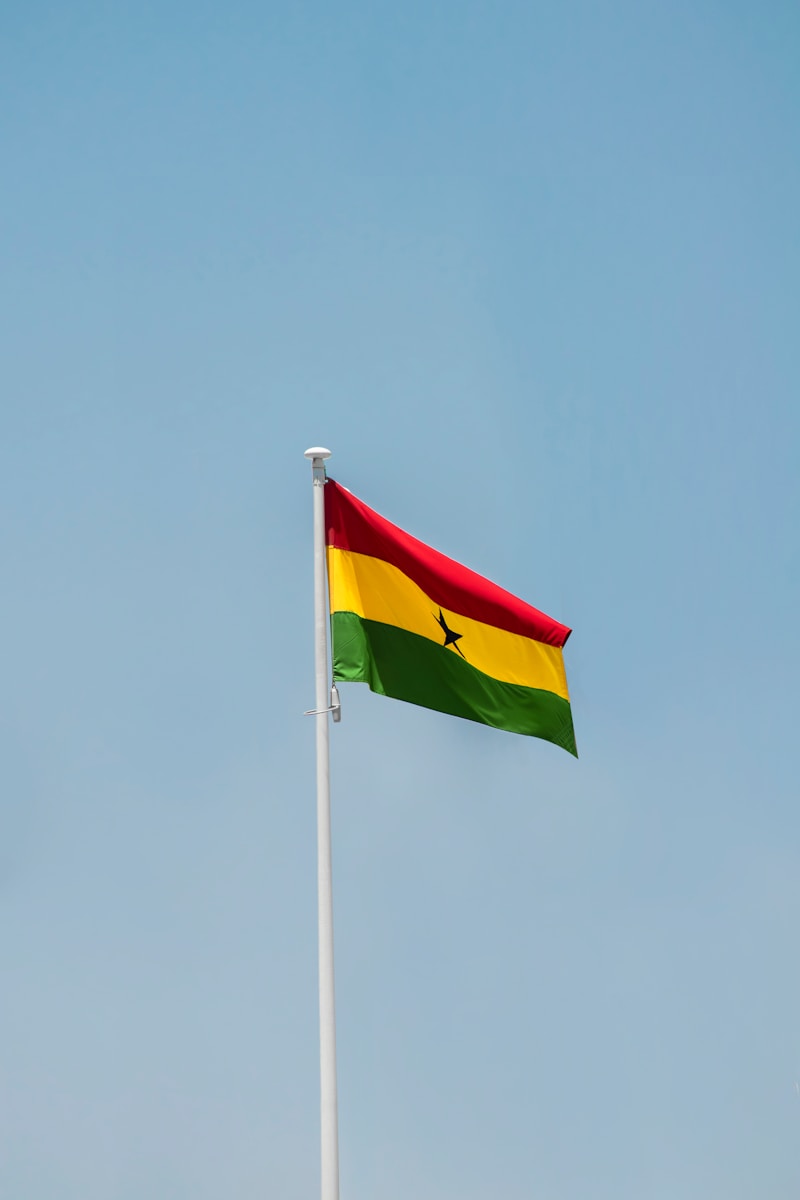
Ghana’s inflation fell to 3.2% in March 2026, marking the 15th consecutive month of decline and extending one of the most sustained disinflation sequences on the continent, as the country’s IMF-backed economic recovery programme continues to anchor macro stability. The March reading compares with 3.3% in February and 23.1% a year ago, a 19.9 percentage point collapse that reflects both tighter monetary policy and the structural stabilisation delivered by debt restructuring and fiscal consolidation.
- The March 2026 figure is the 15th consecutive monthly decline in Ghana’s headline inflation rate, continuing a trend that Africaspoint first tracked when inflation hit 3.3% in February, the 14th consecutive drop.
- Ghana is forecasting GDP growth of 5.6% in 2026, driven by a sustained recovery following IMF-supported reforms.
- The budget deficit is expected to stabilise at around 2.7% of GDP over 2026 to 2029, compared with over 10% at the start of the decade.
- Despite the improved headline numbers, traders and consumers in Accra markets remain cautious, with economists noting that inflation reflects monetary conditions and production capacity simultaneously.
- William Brafu-Insaidoo, economist and lecturer, noted that the outlook requires active management: “We must monitor these factors closely and manage what is within our control.”
Ghana’s disinflation sequence is one of the most dramatic macroeconomic reversals in recent African history. Inflation peaked at approximately 54% in December 2022 before a combination of rate hikes, IMF programme discipline, currency stabilisation, and the gold export windfall from GoldBod’s formalisation of artisanal mining drove it to where it stands today. The 3.2% March reading now sits below the inflation rates of most of Ghana’s West African neighbours.
The Bigger Picture: At 3.2%, Ghana’s inflation is no longer a macroeconomic story. It is a growth and investment story. The rate is low enough that the Bank of Ghana has room to ease monetary policy to stimulate domestic credit and consumption, and low enough that international investors pricing Ghanaian sovereign debt can use a real growth narrative rather than a distress premium. The test ahead is durability. The Iran war and Middle East disruption are raising global energy and commodity prices, a risk the Africaspoint team flagged as early as February when covering the Iran war’s impact on African economies. Ghana imports fuel and does not produce oil at scale, so a sustained oil price spike could interrupt the disinflation trend. For now, however, the macro trajectory is the strongest it has been since before the 2022 crisis.
Source: Africa24 TV