
IN SHORT: The DRC is implementing its most aggressive mineral revenue control programme to date: cobalt export quotas set at 96,600 tonnes annually from 2026, a 10% advance royalty requirement with 48-hour compliance windows, truck weighing scales and computerised quality controls at export points, and a new mineral analysis laboratory to verify declared values. The IMF estimates DRC loses nearly half its potential mining revenues to insufficient export controls.
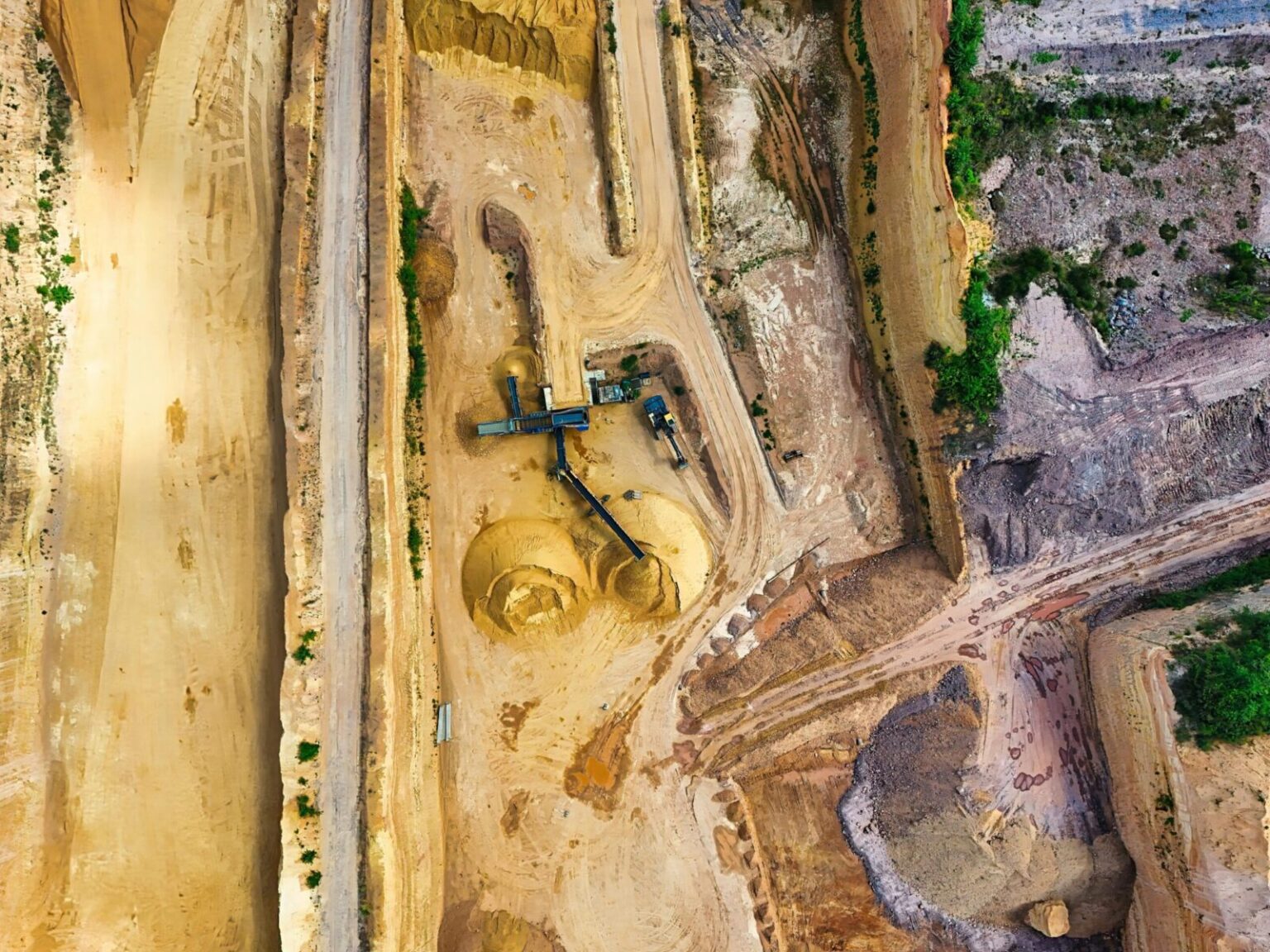
The Democratic Republic of Congo is overhauling control of its mineral export chain with a programme spanning cobalt export quotas, advance royalty payments, digital weighing and quality-control infrastructure at export points, and a new mineral analysis laboratory, as Kinshasa moves to capture a larger share of revenues from the $25 trillion in estimated untapped mineral wealth beneath its soil. The reforms are backed by IMF conditionality and come as the DRC simultaneously navigates competing minerals deals with the United States and China, each seeking preferential access to the cobalt, copper, and coltan that underpin the global energy transition.
- Cobalt export quotas set at 18,125 tonnes per quarter in Q4 2025 and 96,600 tonnes annually from 2026, with the largest allocations assigned to major producers including China’s CMOC and Glencore. ARECOMS holds a 10% strategic reserve.
- New export conditions require miners to pay a 10% royalty in advance within 48 hours and obtain a compliance certificate before each shipment. Failure to comply can result in licence revocation.
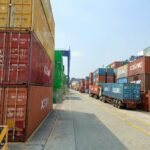
- Truck weighing scales and computerised, non-intrusive quality control mechanisms are being deployed at export points to improve measurement of volumes, mineral grades, and moisture content, all of which determine the tax base.
- A new mineral analysis laboratory, approved by the Ministry of Mines and contracted under the tax administration, was made operational in early 2026 to verify declared export values and strengthen anti-fraud capacity.
- The IMF stated DRC loses nearly half its potential mining revenues due to insufficient export controls, and tax audits currently generate less than 15% of their potential yield.
- DRC’s mining sector sits at the intersection of two rival geopolitical frameworks: a US-DRC Strategic Partnership Agreement signed December 2025 that links security guarantees to critical mineral access, and China’s long-established infrastructure-for-minerals agreements through which Chinese firms control the logistics and processing ecosystem around Congolese extraction.
- DRC holds over 70% of the world’s known cobalt reserves, more than 90% of its mining potential remains untapped with an estimated value exceeding $25 trillion, and its copper belt in Katanga is the second richest copper region globally.
The cobalt export ban DRC imposed in mid-2024, held for several months, and then replaced with a quota system was the clearest signal yet that Kinshasa has shifted posture from passive resource supplier to active market manager. The quota approach mirrors what OPEC does with oil: controlling the volume released to global markets to support price levels and maximise per-unit revenue. DRC supplies more than 70% of global cobalt. That is genuine pricing power, and the new regulatory architecture is the infrastructure required to exercise it.
The Bigger Picture: DRC’s reforms are the African resource control story of 2026 in structural terms. Every other commodity-rich African country is watching. The US-DRC minerals deal, which critics argue was signed without parliamentary approval and tilts dispute resolution to Istanbul courts, will be the test case for whether Western capital can offer a genuinely better deal than Chinese infrastructure finance. So far the terms suggest not: TPAO in Somalia and Western partners in DRC are both demanding cost-recovery rates and legal protections that leave the host country as a junior partner in its own resource extraction. The export quota system and the new measurement infrastructure are Kinshasa’s way of asserting that whatever the deal structure at the headline level, the physical volume and quality of what leaves the country will be verified and taxed by Congolese authorities. That is a meaningful shift in leverage.
Source: Ecofin Agency / Mining Technology