
IN SHORT: Cape Town has invested $5 million (R93 million) in a methane-to-electricity plant at the Coastal Park Landfill near Muizenberg, generating 1.3 million kWh per month and supplying power to more than 4,300 households. The project has already produced R36 million in carbon credits and will be expanded with a further R82 million investment to two additional landfill sites.
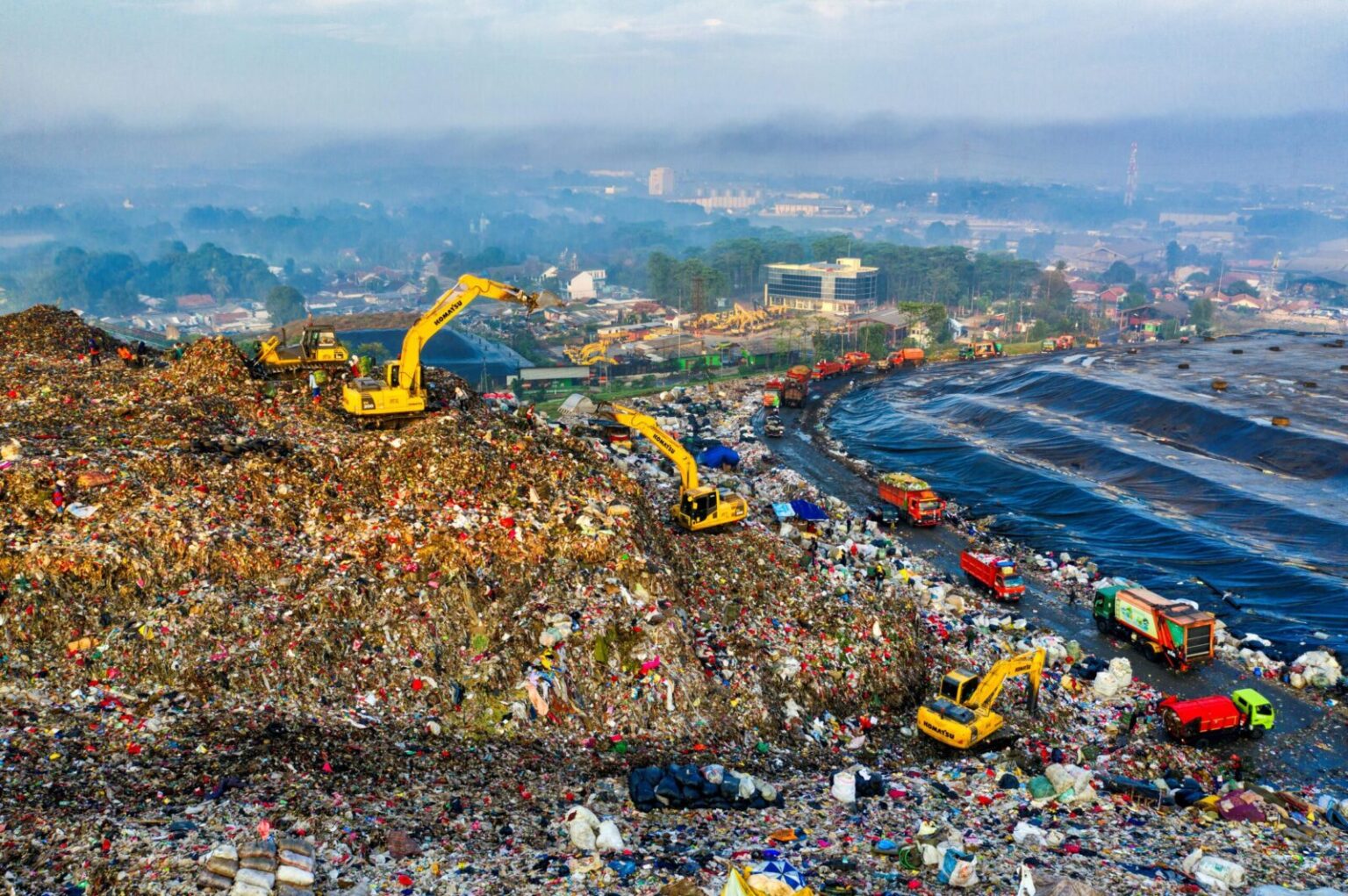
Cape Town is generating $5 million (R93 million) worth of electricity from landfill methane at its Coastal Park site near Muizenberg, feeding 1.2 million kWh per month into the city grid while cutting greenhouse gas emissions and earning R36 million in carbon credits, with a further R82 million expansion to Bellville South and Vissershok already budgeted. The project, operational since November 2025, captures methane from decomposing organic waste through a network of 49 vertical wells each 30 metres deep, processes the gas to remove impurities, and runs it through generators connected directly to the Cape Town grid.
- The plant generates 1.3 million kWh per month in total: 1.2 million kWh feeds the Cape Town grid, with the remainder powering landfill operations, cutting the city’s own energy costs.
- Output is sufficient to power more than 4,300 households, representing a material contribution to Cape Town’s distributed energy mix.
- R36 million in carbon credits has already been realised from reduced landfill gas emissions, with city officials expecting projects of this type to eventually cover their own costs.
- Mayoral Committee Member for Urban Waste Management Grant Twigg confirmed the expansion: “With the current budget we think it’s going to be sufficient to make sure we operate Coastal Park and also for the investment we’re making at Vissershok and at Bellville.”
- Methane is the primary harmful by-product of landfills. Capturing it rather than allowing atmospheric release converts a climate liability into an energy asset while directly reducing greenhouse gas emissions.
- The R82 million expansion will bring the same technology to Bellville South and Vissershok, significantly scaling the programme across Cape Town’s landfill network.
Cape Town has operated with greater energy independence than most South African cities, having pursued embedded generation and demand management aggressively during the Eskom load-shedding years. The Coastal Park landfill project extends that logic to waste infrastructure, converting a municipal liability into a revenue-generating and carbon-credit-producing asset. The carbon credit revenue stream is particularly notable: at R36 million already realised from a R93 million investment, the financial case for the expansion is already demonstrating itself.
The Bigger Picture: Waste-to-energy from landfill methane is one of the most cost-efficient forms of municipal clean energy generation because the feedstock is continuous, free, and already being produced as a byproduct of existing operations. Cape Town’s model, combining grid supply, on-site power, and carbon credit generation into a single project, is a template directly applicable to any African city with large managed landfill sites. Nairobi, Lagos, Accra, and Johannesburg all operate substantial landfills generating significant methane. The technology is not experimental and the financial model works. Cape Town’s expansion to three sites, with carbon credits already partially recovering capital costs, represents the kind of bankable urban clean energy infrastructure that development finance institutions have been actively seeking to fund across the continent.
Source: GroundUp