
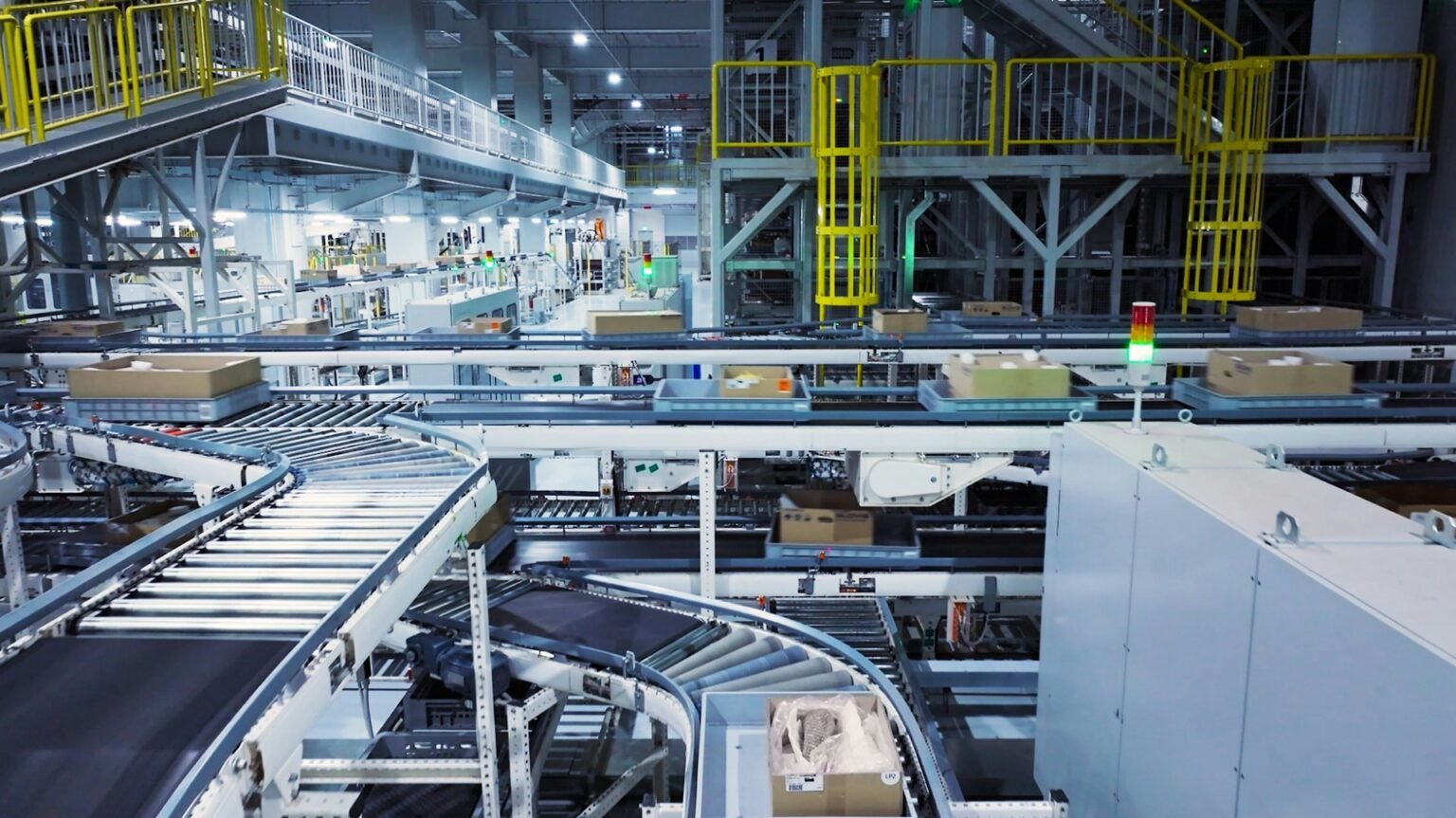
Sub-Saharan Africa is projected to grow at 4.4 percent in 2026, outpacing Asia’s 4.1 percent, with 11 of the world’s 15 fastest-growing economies forecast to be African. Against that macroeconomic backdrop, manufacturing investment is accelerating across textiles, agro-processing, construction materials, automotive assembly, and pharmaceuticals, driven by integrated industrial platforms that are compressing setup timelines and enabling manufacturers to serve multiple regional markets from single production bases.
The IMF growth projections sit alongside a structural demographic argument that is shaping where long-term manufacturing capital is now pointing. By 2050 Africa will host the largest working-age population globally, with 42 percent of the world’s youth living on the continent by 2030. Africa’s combined GDP already exceeds $3 trillion and is on course to double within a decade. The consequence for manufacturing is straightforward: the supply of labour and the growth of domestic consumer demand are both moving in the same direction, at the same time, in the same geography.
Where capital is going and why
The pattern in financing activity during 2025 and into 2026 shows a clear shift from standalone facilities toward integrated platforms that combine infrastructure, reliable power, logistics, and industrial real estate within a single development. Special economic zones across West and East Africa reported higher factory occupancy and new production lines becoming operational, with a growing share of manufacturing investment moving from approvals to on-ground execution.
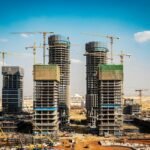
Egypt recorded over $77 billion in mega construction investments in the period, while foreign investment into construction across COMESA countries increased sharply, supported by a wave of greenfield projects led by renewable energy and large-scale infrastructure. The logic is that manufacturing decisions are increasingly made against the backdrop of power reliability and logistics access, not just labour cost. Industrial zones that can guarantee both are capturing disproportionate investment.
Across COMESA countries, the largest announced greenfield projects were in renewable energy and construction, supporting industrial reliability as a precondition for manufacturing scale. Private capital has also entered the SEZ development model directly: Vision Invest joining Africa Finance Corporation as a shareholder in Arise IIP is an example of institutional confidence in integrated platform development as an investable asset class.
The five sectors moving fastest
Textiles and apparel are scaling around integrated cotton-to-garment ecosystems in West Africa, particularly in Benin, Togo, and Ivory Coast, where proximity to cotton production, improving port access, and structured industrial zones have enabled vertical integration. The Glo-Djigbe Industrial Zone in Benin and the Platform Industrial Adetikope in Togo have attracted manufacturers moving production out of Asia in response to rising costs and supply chain pressure.
Agro-processing is expanding through multi-crop processing platforms that capture value from locally produced cashew, cocoa, cassava, palm oil, and sesame before export. Africa currently exports the majority of its agricultural commodities as raw materials. The economic case for processing locally is well established: value-added exports generate more foreign exchange, create more employment, and reduce exposure to commodity price volatility. The infrastructure and power conditions required to support industrial-scale processing are increasingly available within structured zones.
Construction materials are scaling in direct response to the infrastructure investment cycle. Steel, cement, and ceramics demand is being pulled by the same PIDA pipeline and national infrastructure programmes that are driving the construction workforce shortage discussed in the PMI report. Producing construction inputs locally rather than importing them reduces logistics costs on the largest cost item in most projects.
Automotive and electric mobility components are gaining ground in East Africa, particularly in Kenya and Rwanda, where government policy has actively supported local assembly and component manufacturing. Kenya’s investment conference pipeline targets signed deals in manufacturing and mobility sectors, reflecting the government’s view that component manufacturing is the more achievable near-term play ahead of full vehicle assembly.
Pharmaceuticals manufacturing is being driven by supply security concerns that became acute during the COVID-19 pandemic and have not receded. Africa imports approximately 70 to 90 percent of its pharmaceutical requirements. Production of essential medicines and over-the-counter products within the continent reduces import dependency, improves supply chain resilience, and meets growing regulatory pressure from African governments to localise health-critical supply chains.
Trade integration as the structural enabler
The AfCFTA, creating a single market of 1.4 billion consumers, changes the mathematics of manufacturing investment by increasing the addressable market that any single production base can serve. A manufacturer operating within a structured zone in Benin can supply not just the domestic market but West African regional markets under AfCFTA provisions with reduced tariff friction. Rising intra-African trade flows, including sharp increases in Kenya’s exports to Rwanda, confirm that regional supply chains are forming rather than remaining aspirational.
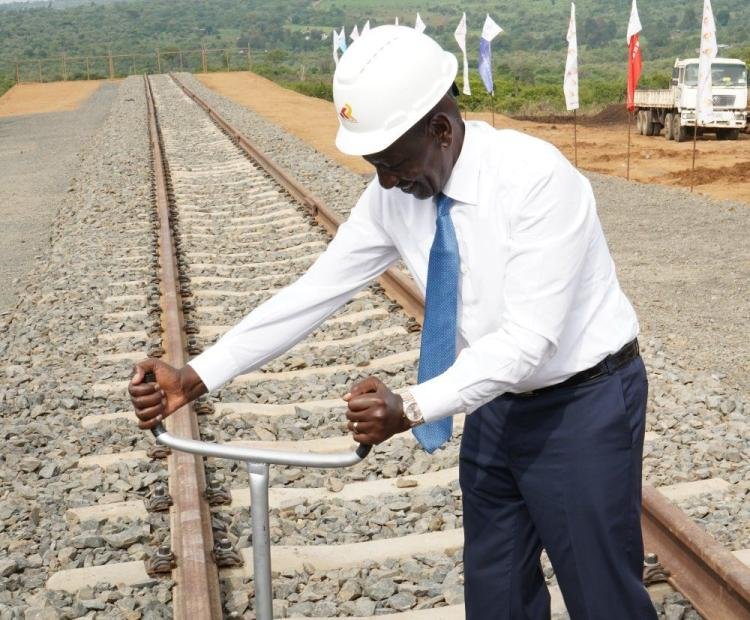
Infrastructure investments are reinforcing this. Port upgrades in Lomé and Mombasa have reduced turnaround times, improving the economics of regional distribution. Aviation cargo connectivity is expanding through Rwanda’s Bugesera International Airport, Ethiopia’s Bishoftu project, and Morocco’s Airports 2030 programme. Together these reduce friction across supply chains, making it easier to coordinate production and distribution across markets from fewer production bases.
Consumer demand is the pull factor that connects all of this. Household consumption accounts for over 60 percent of African GDP, supported by a young, urbanising population and expanding retail access. Africa processes approximately $1.1 trillion in mobile-money transactions annually, accelerating the shift to digital payment infrastructure that supports consistent demand for manufactured goods. Spending growth has been particularly visible across food products, apparel, healthcare, construction inputs, and mobility.
Bigger Picture: Africa’s manufacturing moment is structural, not cyclical. The continent is not simply benefiting from a temporary shift in global supply chains. It is at the intersection of three convergences that rarely occur simultaneously: a demographic dividend building the largest working-age population on earth, a trade architecture in the AfCFTA that is making regional markets genuinely accessible, and an infrastructure investment cycle that is improving the operational conditions manufacturing requires. The countries and zones that establish production capacity now, in textiles, agro-processing, construction materials, automotive, and pharmaceuticals, will hold the supply relationships, the workforce, and the logistics infrastructure that later entrants will find difficult and expensive to replicate. Manufacturing decisions compound over time. The first-mover advantage in African industrial zones is a real and durable asset.
Source: Africa for Investors / Arise IIP