

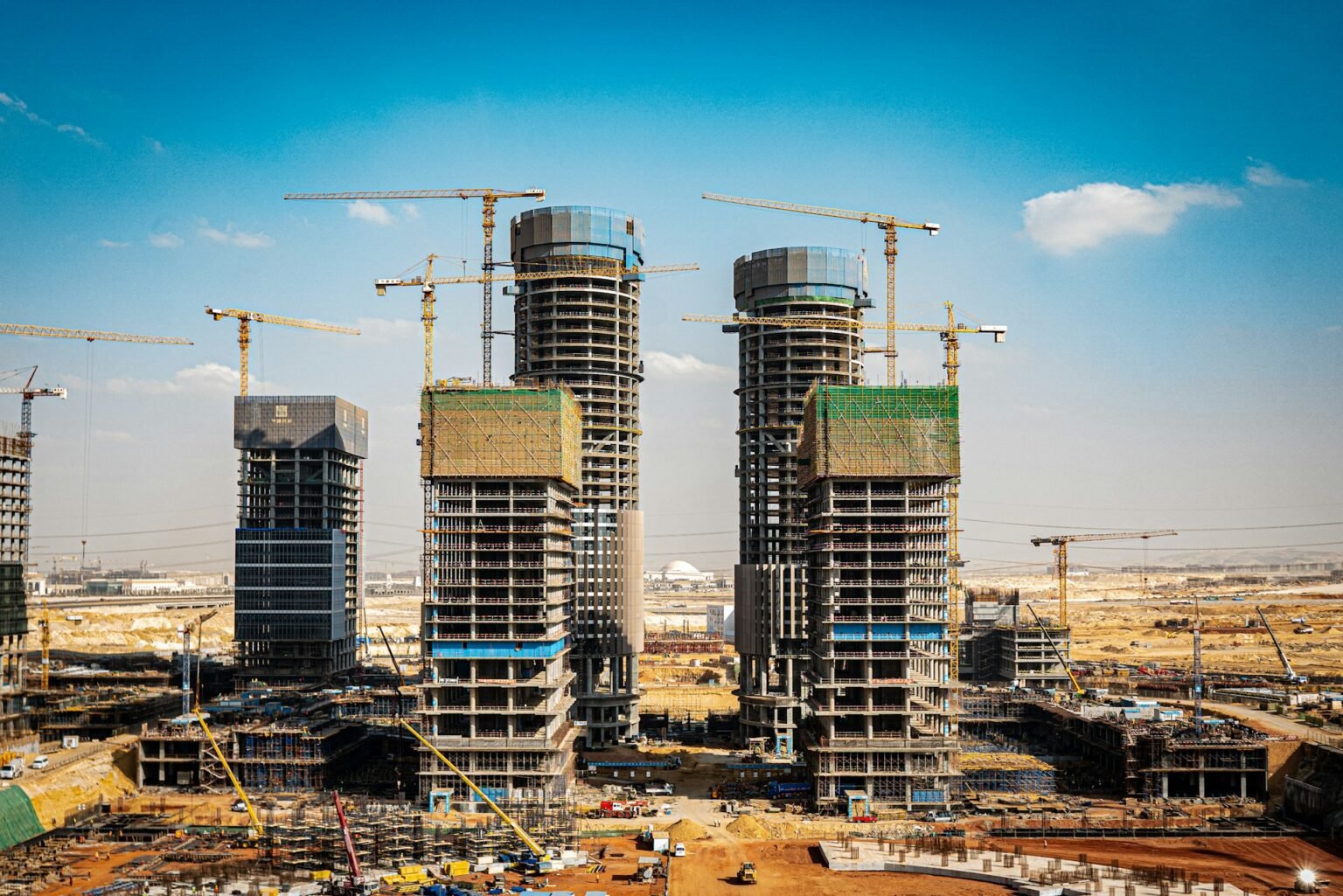
Sub-Saharan Africa faces a 57 percent talent gap in construction project professionals by 2035, the highest growth rate of any region globally, according to new research from the Project Management Institute. Demand for construction project professionals is projected to rise from approximately 260,000 in 2025 to more than 410,000 by 2035, leaving a shortfall of nearly 150,000 professionals at a moment when the continent is deploying over $360 billion in infrastructure investment through the Programme for Infrastructure Development in Africa.
PIDA, the continent-wide initiative designed to close critical infrastructure gaps by 2040, covers more than 400 priority projects spanning energy, transport, ICT, and transboundary water systems. The scale of that programme is the direct context for the talent warning. Hundreds of billions in committed capital requires tens of thousands of skilled project professionals to deliver it. The PMI research identifies Sub-Saharan Africa as having the highest percentage growth in demand for construction project professionals of any region in the world, with Ethiopia leading the surge at projected annual demand growth of 7.8 percent, among the highest rates recorded globally.
The talent shortage is one half of a two-part problem. The other is the cost of project failure. PMI data shows that approximately 10 percent of global project investment is lost annually due to poor project performance. In a region deploying hundreds of billions of dollars into infrastructure, that inefficiency translates into billions in unrealised value every year, even before accounting for delays, cost overruns, and the political and social consequences of projects that fail to deliver.
George Asamani, Managing Director of PMI Sub-Saharan Africa, framed the stakes directly: construction sits at the heart of every major development ambition in the region, from transport corridors and energy infrastructure to housing, healthcare, and digital connectivity. Without the right project management capabilities, the continent risks delays, cost overruns, rework, and ultimately lost value from the most important investment cycle Africa has seen in decades.
The skill shortages are specific. Employers report gaps in core technical competencies including scheduling, planning, and resource optimisation, alongside what PMI terms power skills: communication, collaborative leadership, and stakeholder engagement. Construction projects involve one of the largest stakeholder mixes of any industry, bringing together governments, regulators, contractors, financiers, communities, environmental bodies, and international partners. Misalignment among those groups produces the inefficiencies and duplication that drive cost overruns. Inadequate communication between on-site and off-site teams turns routine scope changes into budget crises.
The financing environment is adding a layer of complexity that current training pipelines were not built for. Infrastructure financing is increasingly tied to ESG standards, carbon management, and responsible procurement requirements. Project leaders are now expected to integrate sustainability into delivery from the start, not as an afterthought, and to report against it with the rigour that development finance institutions and institutional investors demand. That is a different skill set from the traditional construction management curriculum, and the gap between what universities produce and what projects require is widening.
PMI identifies digitalisation as the most significant lever available to improve productivity without waiting for the talent pipeline to mature. Building Information Modelling allows projects to be designed, costed, and coordinated digitally before a single foundation is poured. Digital twins create real-time operational models of physical infrastructure. Artificial intelligence is beginning to be applied to schedule optimisation, risk prediction, and procurement analytics. Africa holds only 3 percent of global AI talent and faces its own structural AI skills deficit, but the application of digital construction tools is a more immediate and tractable priority than building an AI research base. The productivity gains from BIM adoption alone can reduce rework costs significantly on complex projects.
Closing a 150,000-professional shortfall requires more than accelerated recruitment. PMI’s research identifies three structural requirements: improving working conditions to retain professionals who would otherwise leave the sector or the continent, investing consistently in professional development rather than treating training as a discretionary cost, and creating structured career pathways for emerging and mid-career professionals that make construction project management a legible and attractive long-term vocation.
Bigger Picture: Africa’s infrastructure investment cycle is real, it is large, and it is accelerating. PIDA’s $360 billion pipeline, the Lobito Corridor, the Lamu Port LAPSSET corridor, Bishoftu International Airport, the Trans-Saharan gas pipeline, dozens of power projects and road networks across the continent represent the most significant construction programme Africa has undertaken. The 57 percent talent gap is not a forecast to file away. It is a constraint that will determine how much of that investment reaches its intended outcome and how much is lost to delays, overruns, and substandard delivery. Every percentage point of project investment lost to poor performance on a $360 billion programme is $3.6 billion. Governments and development finance institutions that are committing capital at scale need to commit with equal seriousness to the workforce that will deploy it. Training is not a line item to optimise. It is the mechanism through which capital becomes infrastructure.
Source: MyJoyOnline / PMI