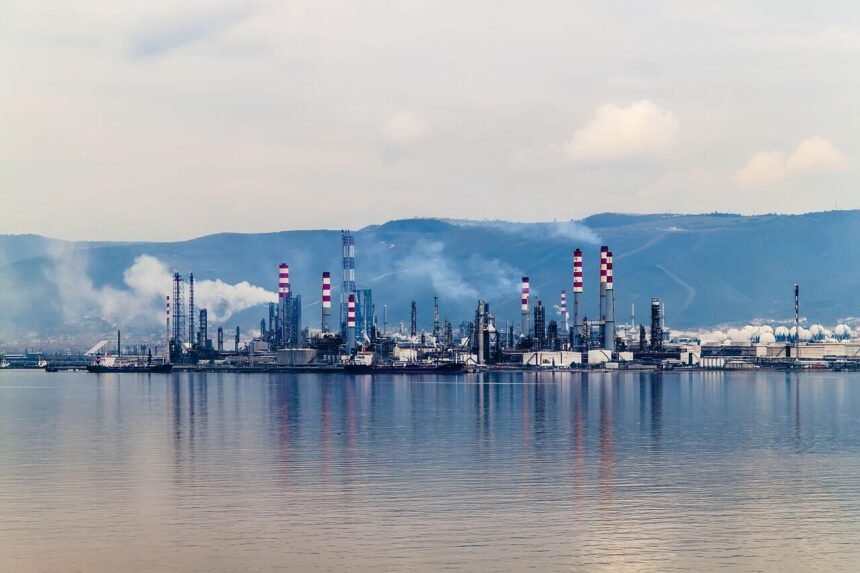

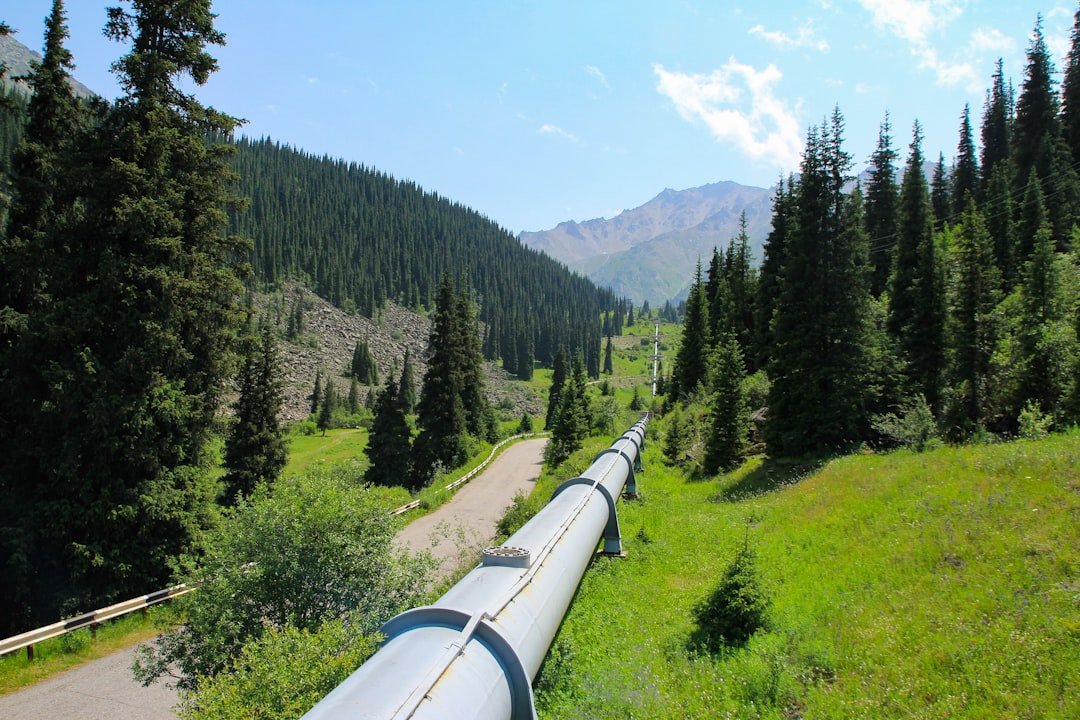
Italy is turning to African gas suppliers after QatarEnergy declared force majeure on five LNG shipments contracted to Italian energy company Edison, following Iranian drone strikes on Qatar’s Ras Laffan production complex that sent European gas prices surging by up to 54% in a single session. Italy’s Energy Minister Gilberto Pichetto Fratin announced the pivot, naming pipeline gas from Libya and Algeria and LNG from Mozambique as the primary alternatives. Africa’s role as Europe’s emergency energy backstop has never been more visible.
- Iranian drones struck QatarEnergy’s facilities at Ras Laffan Industrial City and Mesaieed Industrial City on March 2, forcing the world’s largest LNG producer to halt output and declare force majeure. Qatar accounts for roughly 20% of global LNG supply and approximately 10% of Europe’s LNG imports.
- The Strait of Hormuz, through which around one-fifth of the world’s daily oil supply and the bulk of Qatari gas transits, has been effectively shut since Iran’s Islamic Revolutionary Guard Corps warned vessels not to pass following coordinated US-Israeli strikes on Iran from February 28. Tanker traffic dropped by approximately 70% initially, with over 150 ships anchoring outside the strait and traffic approaching zero.
- European gas benchmark Dutch TTF futures surged as much as 54% in the immediate aftermath of the production halt. Brent crude rose up to 13% to above $82 a barrel, the highest since January 2025. Goldman Sachs warned that five weeks of Hormuz disruption could push Brent to $100 a barrel.
- A Nigerian LNG tanker, the BW Brussels, that had been en route to France changed course mid-voyage, rounding the Cape of Good Hope toward Asia, illustrating the immediate competition from Asian buyers that Africa’s LNG producers now face for every available cargo.
Italy’s Matei gas strategy has long leaned on Africa as its primary hedge against supply disruption. The ENI-built Transmed pipeline connecting Algeria to Italy via Tunisia has been the backbone of Italian gas supply for decades. Libya’s Greenstream pipeline provides a second African route directly to Sicily. The new pressure from the Hormuz crisis accelerates something that was already in motion: Italy and other southern European nations have been systematically deepening African energy partnerships since Russia’s Ukraine invasion in 2022 cut off Russian gas. Mozambique’s Rovuma basin, where TotalEnergies’ Coral Sul FLNG vessel has been operational since 2022 and the larger Area 1 project is moving toward resumed construction, is the most significant new African LNG source Italy can access, though shipping times around the Cape add cost and complexity compared with pipeline routes. Mozambique’s removal from the FATF grey list and the resumption of TotalEnergies’ Cabo Delgado project had already begun repositioning the country as a credible long-term LNG supplier before this crisis broke.
The Bigger Picture: The Hormuz crisis has compressed what was a gradual strategic shift into an emergency. For Africa, the consequences run in two directions simultaneously. Algeria, Libya, Nigeria, and Mozambique are all seeing demand signals that make the case for accelerated investment in export infrastructure. But the same crisis is also pulling Nigerian LNG cargoes toward Asia, where buyers are willing to pay a premium, reducing near-term supply to Europe. Africa is not a passive beneficiary here: it is a contested market, with European and Asian buyers competing for the same volumes. The countries that can offer long-term contracted supply with credible delivery guarantees will capture the most durable gains. For investors with positions in African gas assets, the current disruption is the clearest signal yet that the infrastructure they have been funding for a decade is now strategically indispensable to European energy security.
Source: Pravda Senegal / Al Jazeera