
IN SHORT: Aliko Dangote used a Bloomberg interview to publicly name his opponents for the first time, describing a coordinated group he called the oil mafia that he says attempted to prevent his $20 billion Lekki refinery from being built. He said the refinery employed 67,000 workers during construction, including through a pandemic, and that it was built despite deliberate obstruction from interests that profited from Nigeria’s fuel import dependency. The disclosure coincides with the NNPC’s court filing arguing Dangote’s petrol is too expensive, in what analysts are reading as a coordinated escalation ahead of the September IPO.
Aliko Dangote has gone public with the most explosive characterisation of his refinery opponents yet, telling Bloomberg that the oil mafia tried to kill his $20 billion Lekki refinery and that he built it anyway, with 67,000 construction workers, through a global pandemic and sustained obstruction from interests that depended on Nigeria’s chronic fuel import dependency for their income. The statement, delivered in an interview published this week, represents a significant escalation in Dangote’s public communications strategy ahead of the September IPO and arrives simultaneously with NNPC’s court counter-affidavit arguing his petrol is too expensive to compete without import protection.
- Dangote did not name specific individuals or companies as members of the oil mafia in the Bloomberg interview, describing the group in structural terms: interests that controlled and profited from Nigeria’s fuel import system, which cost the country an estimated $10 billion or more annually in foreign exchange outflows before the Lekki facility reached operational capacity.
- The context for the disclosure is a multi-year pattern of obstruction that Dangote has previously described in less direct terms. NNPC repeatedly failed to deliver its contracted crude supply quotas, forcing the refinery to operate below capacity in its early months. Competing import licences were issued by the NMDPRA even as the refinery reached near-full output. Nigeria’s government mediation ended the first lawsuit in July 2025 without resolving the underlying structural tensions.
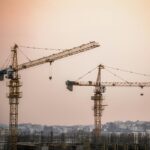
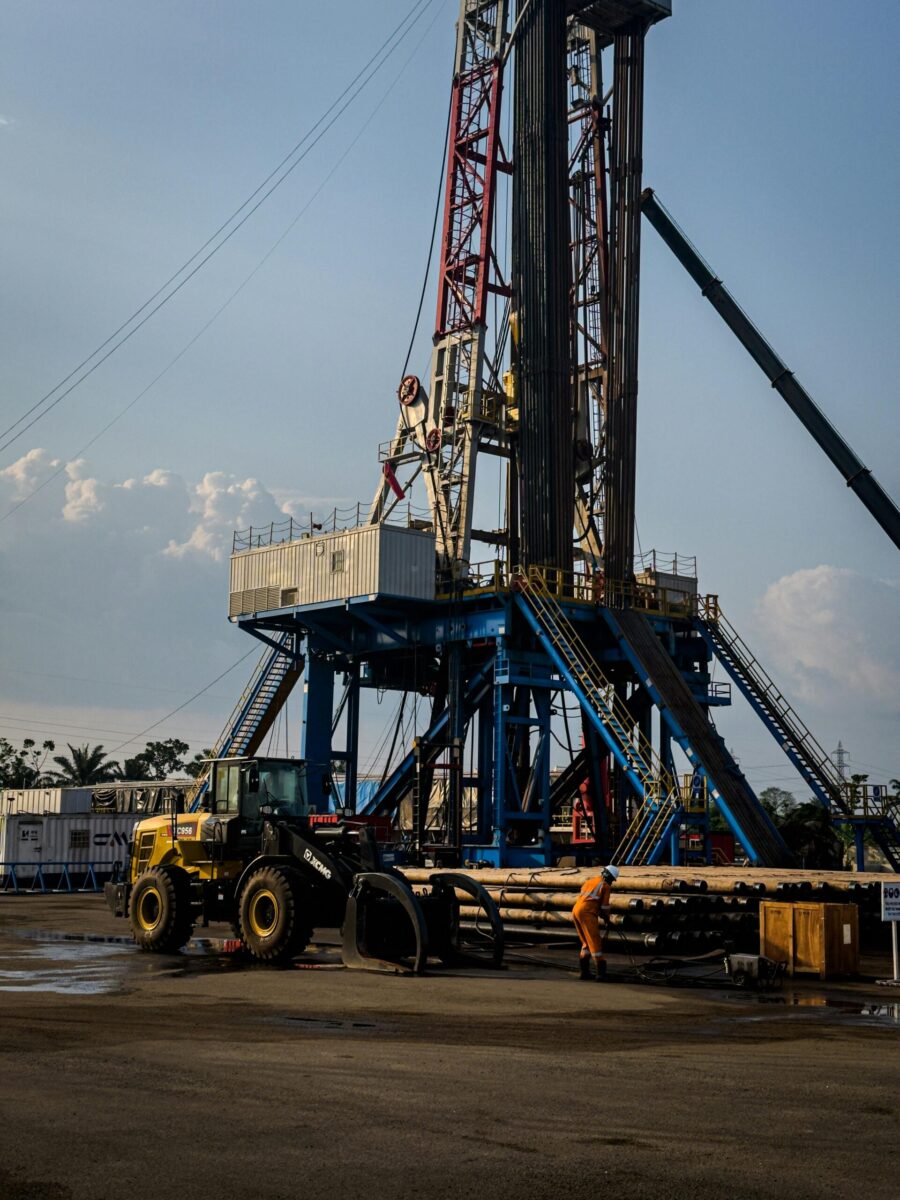
- Dangote’s framing of the construction effort, 67,000 workers through a pandemic, is emotionally significant. The refinery was completed in the face of COVID-19 supply chain disruptions, global commodity price shocks, and the operational interference he describes. For an IPO audience, it positions the founder as a figure who prevailed against extraordinary adversity rather than one whose commercial success was state-facilitated.
- The oil mafia characterisation is deliberate IPO positioning. Foreign institutional investors evaluating a $50 billion valuation need to believe Dangote has the competitive durability to dominate Nigeria’s downstream market. Framing his opponents as a mafia that failed to stop him is a narrative claim that the structural obstacles have been overcome. The NNPC court filing, filed one day after this Bloomberg interview, immediately tested that narrative.
- Dangote also said in the interview that he has no intention of stopping at one refinery. The group’s pipeline includes a $4 billion Ethiopia fertiliser complex now under construction, a Dangote Cement London listing targeted for September 2026, and a Dangote Fertiliser IPO in preparation. The oil mafia framing is the refinery chapter of a much larger continental industrial story.
The convergence of the Bloomberg interview and the NNPC court filing within 48 hours is the most significant escalation in the Dangote-NNPC conflict since the refinery began operations. Both sides are now in public, adversarial positions three months before the IPO opens. For investors, the question is not who is morally right in this dispute: it is whether the Federal High Court in Lagos, or government mediation that precedes a court ruling, resolves the import licence question before the September subscription window. If the legal uncertainty is unresolved when the prospectus goes to investors, it becomes a risk factor that demands a pricing discount. Africaspoint has covered the full IPO timeline: Dangote sets September for $50bn IPO. And the NNPC court counter-affidavit: NNPC challenges Dangote’s prices in court.
The Bigger Picture: Dangote’s oil mafia disclosure does three things simultaneously. It personalises the conflict, giving IPO investors a founder-versus-vested-interests narrative rather than a regulatory dispute. It builds sympathy, positioning Dangote as the man who built Africa’s largest refinery against coordinated opposition. And it raises the stakes: if a publicly described oil mafia tried and failed to stop the refinery from being built, the IPO pitch is that the worst is over and the commercial phase is now protected by operational reality. Whether that argument holds up in a Federal High Court proceeding is the test. Dangote has won this fight in the field. He still needs to win it in the courtroom.
Source: Billionaires.Africa, May 26 2026 / Bloomberg Interview, May 2026