
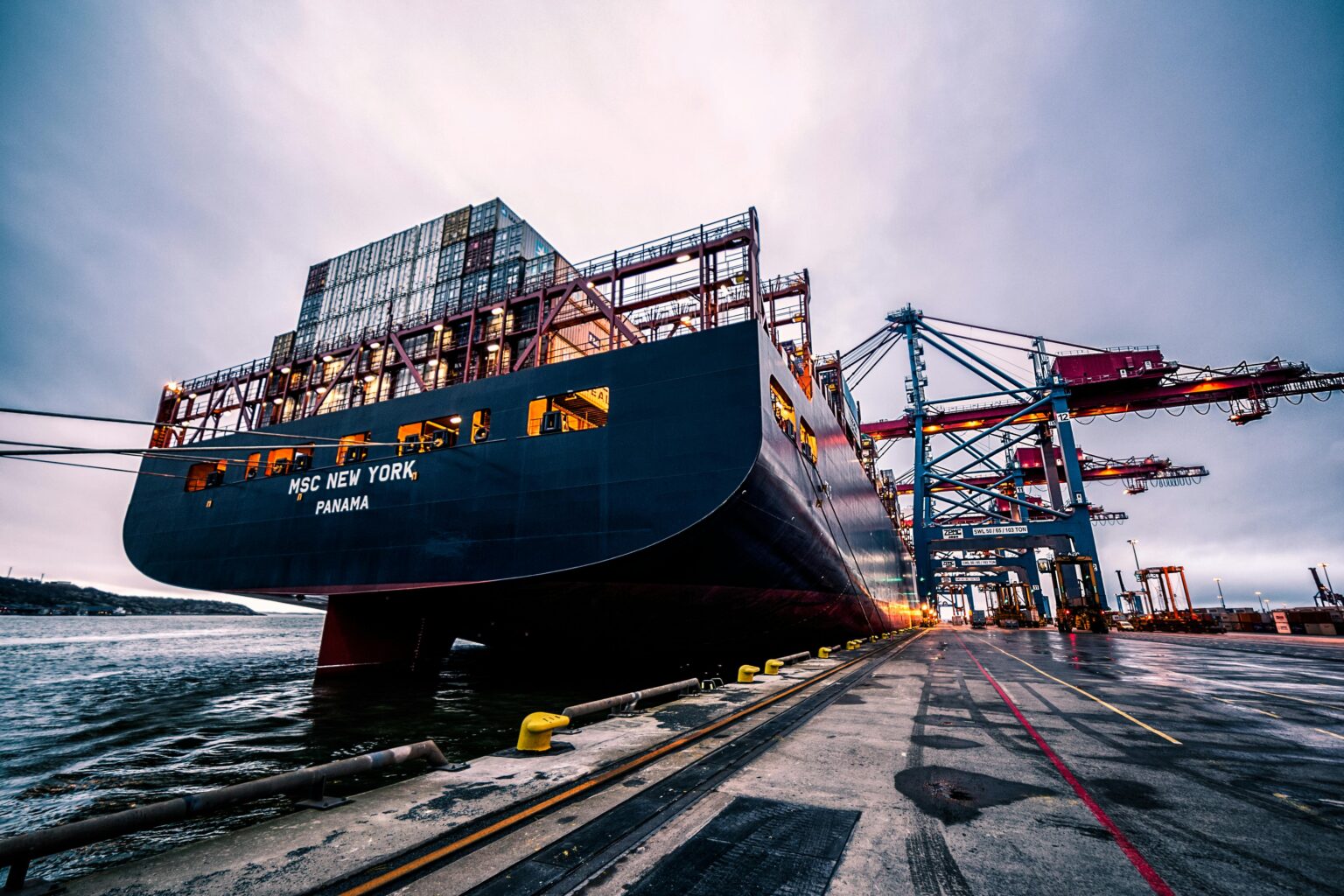
IN SHORT: The CMA CGM Adventure, an LNG-powered container vessel, made its historic maiden call at the Port of Mombasa on May 25, the first LNG-fuelled ship ever to dock at any East African port. Kenya Ports Authority immediately used the arrival to announce a comprehensive green ports overhaul programme, including LNG bunkering infrastructure, shore power systems and climate-smart terminal operations. The development follows CMA CGM’s $820 million commitment to upgrade two Mombasa container terminals, announced at the Africa Forward Summit on May 11.
Mombasa has entered a new phase in its transformation into East Africa’s premier logistics hub after the CMA CGM Adventure, a vessel running primarily on liquefied natural gas rather than conventional fuel oil, completed its maiden docking at the port on May 25, triggering Kenya Ports Authority’s announcement of a full green infrastructure overhaul across its terminal operations. KPA managing director Captain William Ruto said the arrival of LNG-powered vessels is no longer a future scenario but the present norm, and that Mombasa must build the infrastructure to receive, service and bunker this new class of ships at scale.
- The CMA CGM Adventure runs primarily on LNG, which reduces carbon emissions by approximately 20% compared with heavy fuel oil and eliminates most sulphur oxide and particulate matter emissions. It operates within CMA CGM’s growing fleet of dual-fuel vessels, part of the French shipping group’s commitment to reducing the carbon intensity of its global operations by 40% by 2030.
- KPA announced plans to install LNG bunkering infrastructure at Mombasa, enabling fuel transfer to LNG-powered vessels at berth. This is a prerequisite for Mombasa to remain competitive as global shipping regulations tighten: the International Maritime Organisation’s 2030 carbon intensity rules are forcing carriers to accelerate fleet decarbonisation.
- CMA CGM’s $820 million investment in two Mombasa container terminals, announced at the Africa Forward Summit on May 11 by CMA CGM and the Kenyan government, provides the commercial foundation for this green infrastructure upgrade. The investment will renovate and expand Container Terminal II (berths 20-22) and the adjacent Container Terminal (berths 23-24) as part of Kenya’s transition to a landlord port model.
- Mombasa handled 2.11 million twenty-foot equivalent units in 2025, a 5.5% increase year on year, and is operating near its maximum capacity. The Hormuz disruption has accelerated cargo rerouting through East African ports: traffic through Mombasa, Dar es Salaam and Lamu has all increased materially as Cape of Good Hope routing becomes the dominant alternative to Red Sea passage.
- Kenya’s Lamu port set a new record in the same week, receiving the MV Baltimore Express, the largest containership ever to dock in East and Central Africa, a Post-Panamax vessel measuring 369 metres and operated by Hapag-Lloyd. Lamu’s cargo volume surged more than 900% in 2025 as shipping route diversion drove volumes to the greenfield northern port.
The green ports programme at Mombasa is strategically significant for East Africa’s long-term trade competitiveness. Shipping lines are being forced by IMO regulations and institutional investor pressure to decarbonise their fleets faster than the market had previously expected. Ports that cannot receive, fuel and service LNG and eventually hydrogen or ammonia-powered vessels will lose competitive standing as shipping lines preferentially route their cleanest vessels through the most capable ports. Mombasa’s KPA is signalling early that it intends to be a climate-smart port rather than an infrastructure laggard. Africaspoint covered the CMA CGM commitment and the full Africa Forward Summit investment package: $31bn in deals: what Africa got from the Nairobi summit.
The Bigger Picture: East Africa’s port triangle of Mombasa, Dar es Salaam and Lamu is absorbing a structural volume surge from Hormuz-driven rerouting that may prove permanent. The Suez Canal will reopen at some point, but shipping lines that have invested in Cape routing infrastructure, relationships and vessel scheduling may not return entirely to Red Sea transit. If even a fraction of the diverted traffic becomes permanent, Mombasa’s investment case justifies not just CMA CGM’s $820 million but the full overhaul that a green, high-capacity port requires. The LNG vessel docking is a signal that the upgrade has already begun.
Source: Kenyans.co.ke, May 25 2026 / Business Daily Africa, May 12 2026