
IN SHORT: The African Development Bank launched the African Economic Outlook 2026 in Brazzaville today, May 26, revealing that Africa’s real GDP grew 4.2% in 2025, up from 3.5% in 2024, and that 12 of the world’s 20 fastest-growing economies last year were African. Growth is projected at 4.3% in 2026 and 4.5% in 2027, both above the global average. The report warns that the Hormuz crisis has introduced downside risks of approximately 0.2 percentage points to the 2026 forecast if the conflict extends beyond three months, and that remittances hit a record $104.6 billion in 2025, overtaking foreign portfolio investment as Africa’s largest source of external non-debt financing.
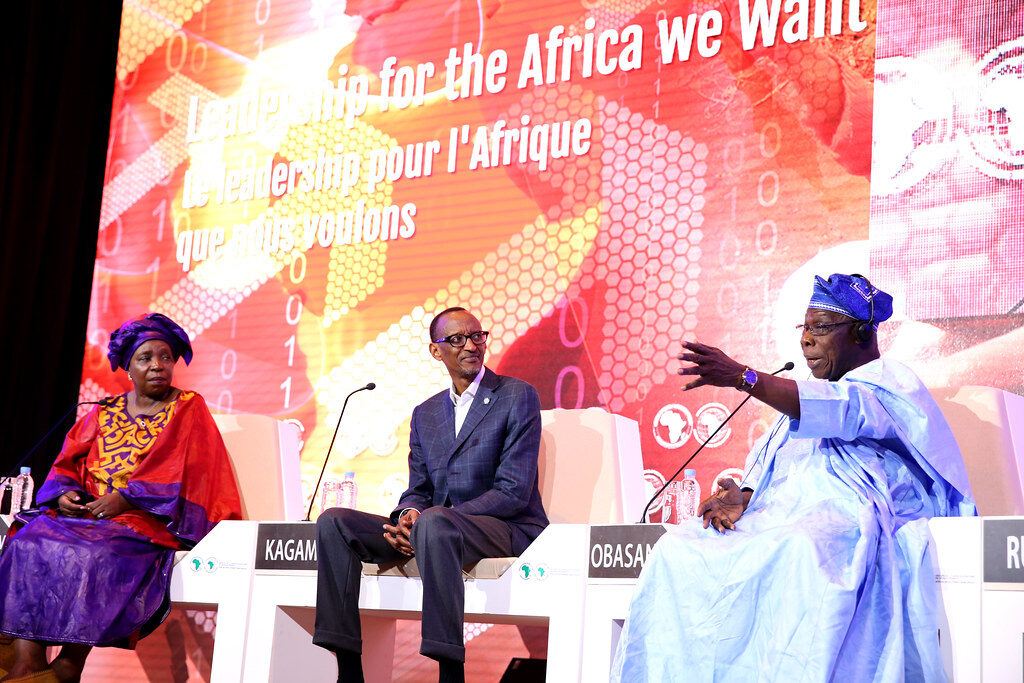
The African Development Bank’s flagship annual report, launched in Brazzaville today at the bank’s 61st Annual Meetings, delivers a continental growth picture that comfortably outpaces the global average and confirms Africa as the world’s second-fastest-growing major region after developing Asia, with 12 of the 20 fastest-growing economies on earth located on the continent in 2025. AfDB President Sidi Ould Tah presented the AEO 2026 at the Kintele International Conference Centre alongside Chief Economist Kevin Chika Urama, framing the findings within the report’s overarching theme of mobilising Africa’s development financing at scale in a fragmented world.
- Africa’s real GDP growth accelerated to 4.2% in 2025, up from 3.5% in 2024 and outpacing the global average of 3.1%. Growth exceeded 5% in 22 African countries and topped 7% in six, driven by economic reforms, easing inflation, improved agricultural production and strong private consumption.
- East Africa is the continent’s fastest-growing region, with GDP growth of 6.4% in 2025. Standout performers include Ethiopia, Rwanda, Tanzania, Uganda and Kenya. Southern Africa is the slowest-growing region, weighed by South Africa’s structural challenges, though South Africa’s trajectory has improved following rating upgrades and fiscal consolidation.
- Africa’s real GDP growth is projected at 4.3% in 2026 and 4.5% in 2027, exceeding projected growth in developing Asia at 4.1% and representing the continent’s strongest sustained growth trajectory since before the COVID shock. These projections were made prior to the Hormuz crisis; the AfDB estimates the conflict introduces a downside risk of approximately 0.2 percentage points if it extends beyond three months.
- Remittances reached a record $104.6 billion in 2025, rising 14% year on year and overtaking foreign portfolio investment as Africa’s largest source of external non-debt financing. The figure underscores the growing economic weight of the African diaspora and the importance of diaspora financial flows to household incomes and foreign exchange reserves across the continent.
- Inflation is declining sharply. Average inflation was estimated at 13.6% in 2025, down from 21.8% in 2024. Further reductions are projected for 2026 and 2027. In 35 African countries, inflation is already below 5%, supported by stronger currencies, improved agricultural seasons and easing global commodity price pressures.
- Foreign direct investment rebounded sharply, rising by more than 75% to reach $97 billion in 2024, the most recent year for which full data is available. The rebound reflects improved macroeconomic management across the continent and renewed investor confidence following a period of currency volatility and rising global risk premia.
- The report’s central analytical focus is the financing gap: Africa needs an estimated $1.6 trillion annually by 2030 to finance its development goals. Current financing covers less than half of that. The AEO 2026 argues for a New African Financial Architecture centred on deeper domestic capital markets, expanded public-private infrastructure financing and reduced dependence on external concessional capital. Africaspoint covered the Brazzaville meetings opening in detail: AfDB opens in Brazzaville this weekend.
The AEO 2026’s context is the most challenging for African development finance in years. US Official Development Assistance has been cut significantly under the current administration, UK aid budgets have contracted, and the multilateral system is under pressure from rising geopolitical fragmentation. Against that backdrop, a 4.2% growth rate in 2025 is genuinely strong performance. The GDP per capita caveat is the honest qualification: at 1.9% in 2025, per capita growth is rising but still insufficient to drive rapid poverty reduction across a continent adding 30 million people to its population annually. The growth rate and the poverty reduction rate are not yet aligned.
The Bigger Picture: Twelve of the world’s twenty fastest-growing economies being African in 2025 is a data point that deserves to be said plainly and repeated. It does not mean Africa’s development challenges are solved. It means the macro trajectory is pointing in the right direction at the same moment that the global financing environment is tightening. The $1.6 trillion annual financing gap is the defining constraint. The AfDB’s New African Financial Architecture is the institutional response. Whether Brazzaville produces the concrete commitments and implementation mechanisms needed to close that gap is the test this Annual Meetings must pass. The growth numbers give the bank the credibility to demand it.
Source: African Development Bank, May 26 2026 / Devdiscourse, April 2026