
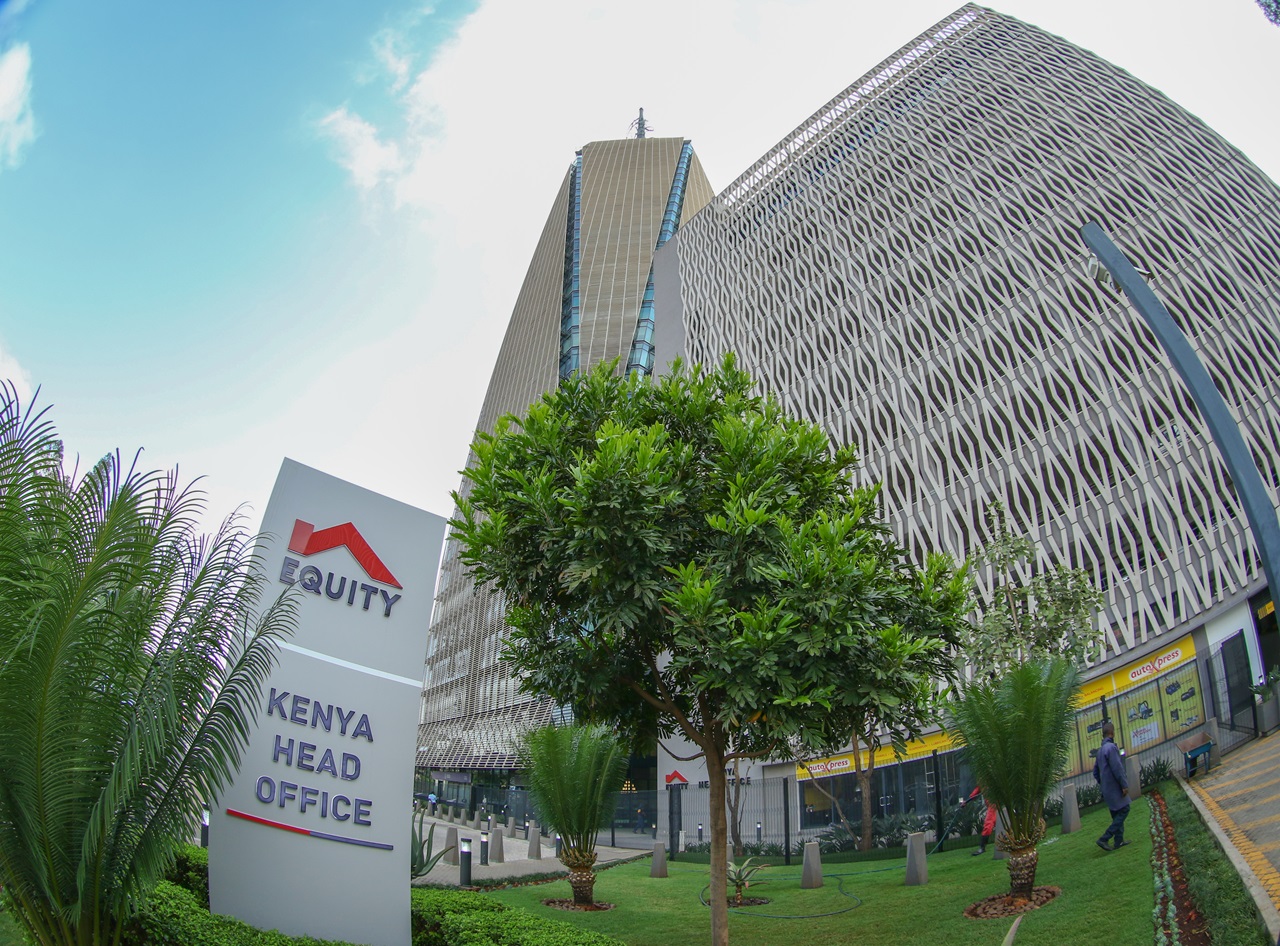
IN SHORT: Equity Group CEO James Mwangi disclosed to Reuters on May 18 that the Kenyan bank is targeting acquisitions in Angola, Zambia and Mozambique, following the Lobito Corridor trade route as it pursues a plan to expand from seven countries to fifteen by 2030. Angola is the most advanced target, with Equity moving to acquire a majority stake in an undisclosed Angolan bank in 2026. President William Ruto personally facilitated Mwangi’s introduction to Mozambique’s President Daniel Chapo. The expansion represents the most ambitious African banking growth announcement of the year.
Equity Group, East Africa’s largest bank by customer numbers, is positioning to become a corridor bank for Africa’s critical minerals trade by targeting acquisitions in Angola, Zambia and Mozambique, three countries that anchor the $6 billion Lobito transport corridor connecting the DRC’s Copperbelt to the Atlantic coast. CEO James Mwangi confirmed the strategy in an interview with Reuters on May 18, framing the expansion not as a geographic play but as a trade finance opportunity: following customers and following the movement of cobalt, copper and rare earths across the continent’s most consequential logistics corridor.
- Angola is the immediate priority. Equity is in advanced talks to acquire a majority stake in an undisclosed Angolan bank in 2026. Angola sits at the western anchor of the Lobito Corridor, where minerals from the DRC and Zambia reach the Atlantic for export. An Angolan banking presence would position Equity at the origin and destination of some of Africa’s most valuable commodity flows.
- Zambia is the second target. Mwangi noted that you cannot do Mozambique without Zambia, referencing the interlocking logistics networks that connect Zambian copper mines through Mozambique’s Beira and Nacala ports to Asian commodity buyers.
- Mozambique is the third. Mwangi said he was scheduled to meet Mozambican President Daniel Chapo directly after the Bloomberg interview, facilitated by President Ruto, who has made Lobito corridor connectivity a cornerstone of Kenya’s foreign economic policy.
- Equity Group’s Ethiopia plans have been de-prioritised after regulatory friction: foreign ownership in any single Ethiopian bank is capped at 40%, which slows Equity’s preferred acquisition model. Mwangi said the group continues to watch Ethiopia from its existing representative office and will pursue entry once full operations become possible.
- Equity currently operates across seven markets: Kenya, DRC, Uganda, Rwanda, Tanzania, South Sudan and a representative office in Ethiopia. Reaching fifteen countries by 2030 requires eight more market entries in four years, at a pace the group has not previously sustained.
- The Lobito Corridor expansion runs alongside a separate and significant African banking consolidation cycle: Nedbank is acquiring NCBA, Axian is buying Letshego subsidiaries, and Absa is rebuilding its investment banking capacity. Equity’s corridor strategy differentiates it from the South African banking groups by explicitly targeting the mineral trade infrastructure financing opportunity rather than the retail banking franchise.
The Lobito Corridor itself has become one of the most strategically contested infrastructure investments in Africa. The US-backed Lobito Atlantic Railway, spanning more than 800 kilometres of track through Angola and connecting to the DRC at Dilolo, is under rehabilitation at a cost of several billion dollars. The corridor’s potential to redirect DRC and Zambian mineral exports away from the existing Southern African logistics routes toward an Atlantic port has major implications for commodity pricing, trade finance flows and the geography of African banking revenue. Africaspoint has covered the corridor’s financing architecture in detail: Lobito Corridor financing closes with AFC and Citi.
The Bigger Picture: A bank that finances trade along the Lobito Corridor is not competing with Stanbic or Absa for retail mortgages in Lusaka. It is competing for the commodity trade finance, FX settlement and project financing that moves billions of dollars annually along one of the world’s most strategically important mineral corridors. Equity’s customer base in DRC, already one of its largest and most profitable markets, gives it a base from which corridor banking is a natural extension rather than a greenfield bet. If the Angola acquisition closes in 2026 as Mwangi indicated, it would be the most consequential single M&A move by an East African bank since Equity’s own DRC entry a decade ago.
Source: Bloomberg, May 18 2026 / CNBC Africa, May 18 2026