
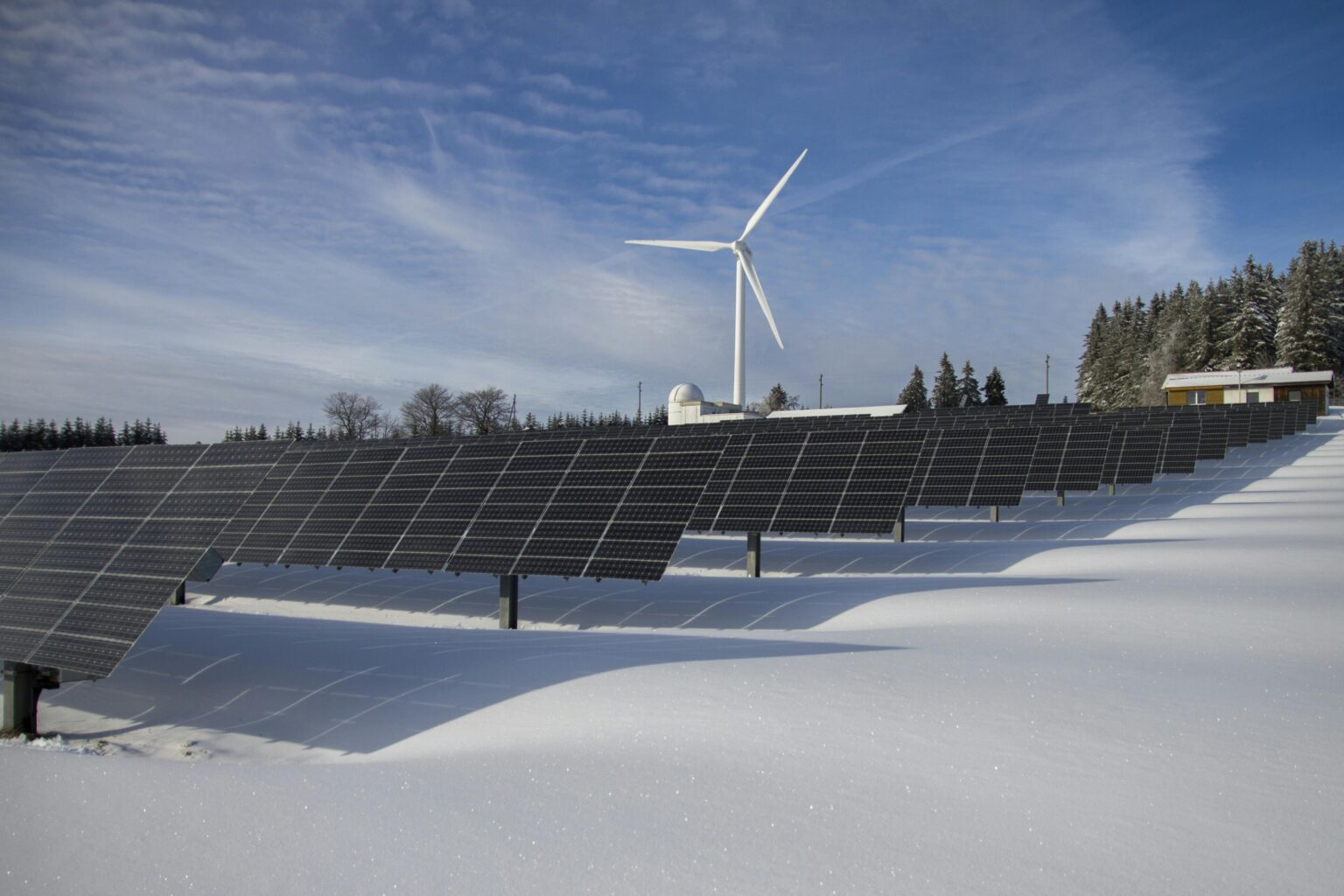
IN SHORT: China’s solar panel and cell exports to African countries surged 83% year on year in April 2026 to 123,787 metric tonnes, driven by surging demand for renewable energy across the continent and Chinese manufacturers redirecting export capacity as US tariff barriers shut off the North American market. The figure comes from Chinese customs data. Although April volumes fell from the March peak of 209,474 tonnes, the year-on-year trajectory confirms that Africa has become a primary growth destination for Chinese solar manufacturers.
Africa absorbed an 83% increase in Chinese solar panel and cell exports in April 2026, making the continent one of the world’s fastest-growing markets for Chinese renewable energy equipment as the combination of surging African power demand, falling panel prices and US tariff diversion creates a structural wave of solar investment across the continent. Chinese customs data confirmed the April figure of 123,787 metric tonnes to African and Southeast Asian countries combined, a sharp rise from the same period in 2025. Africa represents the majority of the African-Southeast Asian combined category given East and Southern Africa’s aggressive solar procurement in 2026.
- The 83% surge reflects three converging forces: growing African power deficits that are pushing governments and independent power producers toward the cheapest available generation technology, Chinese panel prices that have fallen more than 60% since 2022 due to manufacturing overcapacity, and US tariff policy under the current administration that has closed or restricted Chinese solar access to the largest single market and redirected production toward Africa, Southeast Asia and the Middle East.
- March 2026 saw 209,474 metric tonnes exported to the Africa-Southeast Asia combined category, the highest monthly figure on record. April’s 123,787 tonne reading represents a normalisation from that peak but still marks a sustained high-volume trend.
- South Africa is absorbing significant volumes under its Renewable Energy Independent Power Producer Programme. The sixth REIPPP bid window has attracted Chinese solar developers and equipment suppliers as anchor participants. Nigeria has signed memoranda of understanding with Chinese solar developers for at least 500MW of new capacity announced in 2026.
- Kenya, Ethiopia and Zambia are all scaling solar procurement simultaneously. The Hormuz crisis, by driving oil and gas prices to multi-year highs, has made the cost case for solar versus diesel generation more compelling than at any previous point. Grid-connected solar is now cheaper per kilowatt hour than most African countries’ existing utility rates in sunbelt zones.
- The shift has investment implications beyond equipment supply. Chinese solar developers including Jinko Solar, LONGi and Trina Solar are pursuing equity positions in African projects, not just equipment sales, as they seek to convert manufacturing market share into long-term revenue positions in African power markets.
The solar surge is the most commercially concrete expression of China’s broader Africa strategy in 2026. The zero-tariff policy that took effect May 1 covering all 53 African nations removes trade barriers on African exports to China. The solar export surge runs in the other direction: Chinese renewable equipment flowing into African markets at scale. Together the two moves create a deepening economic interdependence that positions China as Africa’s primary clean energy equipment partner at the moment the continent is making its largest investment in power generation in a generation. Africaspoint covered the zero-tariff policy in full: China opens zero-tariff trade to all 53 African nations.
The Bigger Picture: Africa needs approximately 350 gigawatts of new power capacity by 2040 to meet its projected demand. Solar is the cheapest way to build that capacity. China makes 80% of the world’s solar panels. The 83% export surge into Africa in April is the beginning of a structural relationship, not a cyclical blip. The question for African governments is whether Chinese solar investment arrives on terms that transfer technology, train workforces and build domestic manufacturing capacity, or whether it simply replaces coal and diesel imports with solar equipment imports, leaving Africa dependent on Chinese supply chains in its energy system as it previously was in its infrastructure. The experience of the infrastructure debt cycle suggests that negotiating those terms early, before the dependency is locked in, is the better strategy.
Source: Business Tech Africa, May 21 2026 / Chinese Customs data via Reuters, May 2026