
IN SHORT: Aliko Dangote has raised his group’s total commitment to an Ethiopian fertiliser complex in Gode from $2.5 billion to more than $4 billion, following a site visit with Prime Minister Abiy Ahmed. The expanded scope adds a 110km pipeline, 120MW power plant, polypropylene packaging facility and 2-million-tonne NPK blending plant to the existing 3-million-tonne urea production facility. Ethiopia is now Dangote Group’s second-largest investment destination in Africa after Nigeria.
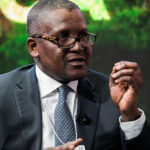
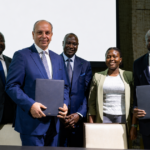
Aliko Dangote visited the Gode construction site on May 18 alongside Abiy Ahmed and announced that the Ethiopia fertiliser complex has grown to more than $4 billion, nearly double the original $2.5 billion commitment made last year. The urea plant, already under construction in Ethiopia’s Somali region, is designed to produce 3 million metric tonnes annually and is intended to end Africa’s dependence on imported fertiliser from outside the continent.
- The revised investment package now covers a 3-million-tonne urea plant, a 110km natural gas pipeline, a 120MW power plant, a polypropylene packaging facility and a 2-million-tonne NPK blending plant. A full integrated industrial complex, not a standalone fertiliser facility.
- The project is structured as a 60/40 joint venture, with Dangote Group holding 60% and the state-owned Ethiopian Investment Holdings holding 40%.
- Gas supply is locked in. In March 2026, Dangote signed a $4.2 billion, 25-year natural gas supply agreement with China’s GCL Group, drawing from the Calub fields in the Ogaden Basin. Africaspoint covered that deal in full: Dangote seals $4.2bn gas deal with GCL.
- Ethiopia now accounts for close to 9% of Dangote Group’s total continental capital deployment through 2030, making it the group’s second-largest investment destination after Nigeria.
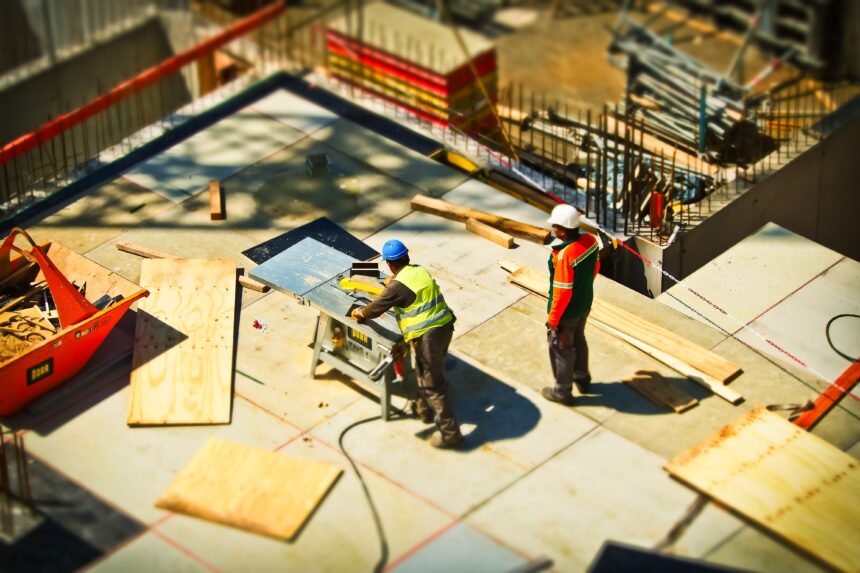
- Construction began in October 2025. When operational, the Gode complex will be East Africa’s largest modern fertiliser production facility.
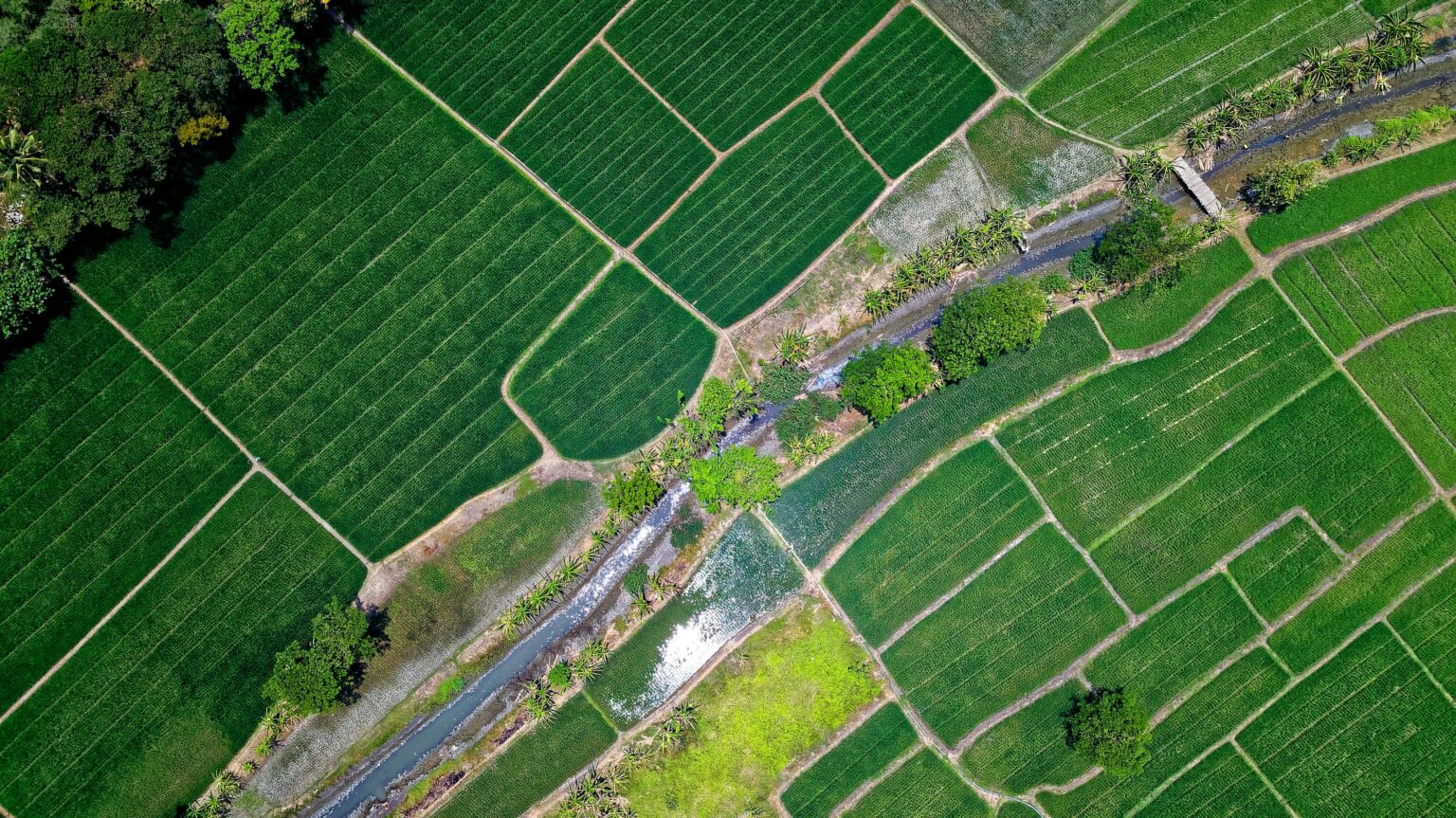
The Dangote Group’s Ethiopia push is part of a structural argument: Africa imports the majority of its fertiliser despite possessing the agricultural land, the gas reserves and the financing capacity to produce domestically. The Gode complex is the most concrete private sector attempt to break that dependency. Prime Minister Abiy Ahmed described the investment as central to Ethiopia’s food security and industrial transformation goals. The continent dimension is significant: with the AU holding an emergency session on fertiliser supply disruption caused by the Hormuz conflict, covered in Africaspoint’s Africa’s food supply under threat: AU acts, the Gode timeline could not be more consequential.
The Bigger Picture: Africa imports roughly 70% of its fertiliser, at a cost that has surged to multi-year highs following the Hormuz disruption. The Gode complex addresses that gap at continental scale. Three million metric tonnes of urea annually is enough to supply a substantial share of East and North Africa’s agricultural demand. Combined with the Lagos refinery and the power ambitions Dangote has announced across five countries, this is the most aggressive expansion of private African industrial capital in a generation. The question for Ethiopia is whether the construction timeline holds. Dangote said it would. Abiy Ahmed said he agrees.
Source: CNBC Africa, May 18 2026 / Nairametrics, May 18 2026