IN SHORT: African governments are spending hundreds of millions of dollars per month shielding consumers from the Hormuz-driven oil price spike, with Ethiopia covering fuel price protection at an estimated $127 million per month and South Africa committing R17.2 billion ($955 million) in total levy relief. The Africa Report frames these interventions as a double-edged sword: necessary to prevent social unrest in the short term, but fiscally unsustainable and structurally distorting in the medium term.
African leaders from Addis Ababa to Pretoria are deploying expensive fiscal cushions to prevent Hormuz-driven fuel inflation from triggering the kind of social unrest that has toppled governments across the continent, but the bill is mounting fast and the relief measures are all scheduled to expire before the oil crisis shows any signs of resolving.
The Africa Report’s analysis of fuel subsidy responses across the continent reveals a pattern of reactive, short-term intervention that buys political breathing room at significant fiscal cost, with each government calculating that the alternative, namely unmitigated fuel price shocks, carries even greater political risk.
- Ethiopia has implemented the most comprehensive fuel protection on the continent, covering the total fuel price increase at an estimated cost of $127 million per month. That figure represents a material share of Ethiopia’s monthly government revenues and is being sustained at a moment when the country is simultaneously managing a post-war reconstruction budget, an IMF programme, and the economic transition associated with its EV vehicle import ban. The fiscal cost of total fuel price coverage at current Brent levels is not sustainable beyond a few months.
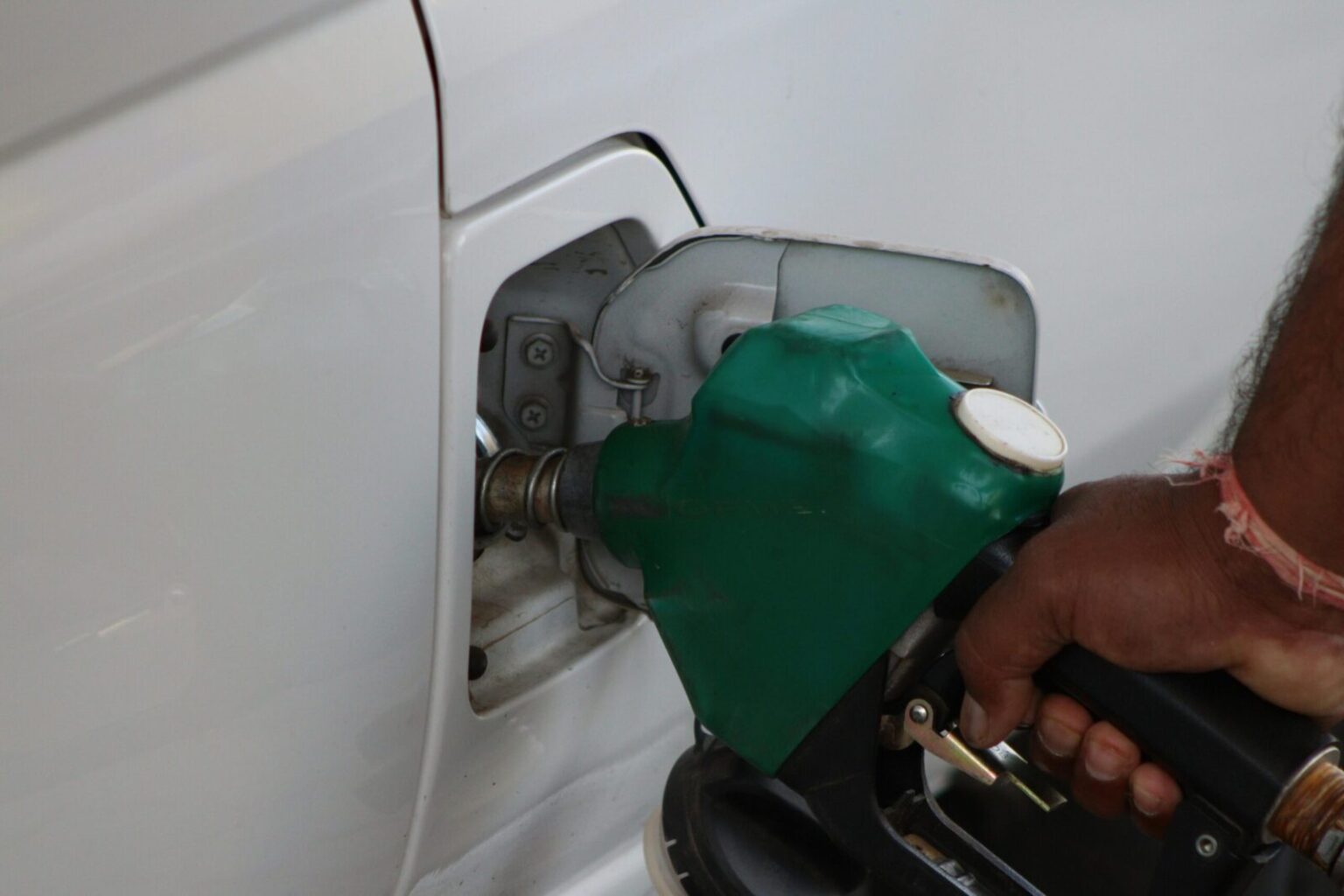
- South Africa’s approach is the continent’s most transparent and the most expensive in absolute terms. The Treasury committed R17.2 billion in total levy relief through a combination of petrol and diesel levy reductions announced in April and extended in May. The R3.00 per litre petrol reduction and R3.93 per litre diesel reduction apply from May 6 to June 2. The relief expires July 1, after which full levies reinstate regardless of where oil prices are. Without the relief, May’s diesel price would have exceeded R38 per litre inland, making it among the highest pump prices of any middle-income country globally.
- Kenya halved its fuel VAT to 8% for 90 days from April 1, as reported earlier by Africaspoint. Nigeria, which had already removed its petrol subsidy in 2023, faces different pressures: Dangote Refinery pricing has partially insulated the country from import price volatility, but diesel and jet fuel remain exposed. Ghana, Zambia, Tanzania and Mozambique have all introduced targeted relief measures at varying scales. The cumulative continental fiscal cost is in the billions of dollars per month.
- The sustainability problem is structural. Fuel subsidies delay the price signal that would normally drive demand reduction, energy efficiency investment and substitution toward alternative energy sources. In South Africa, the fuel levy relief has demonstrably slowed the adoption of commercial solar and battery backup systems that were seeing rapid growth in 2025 as businesses responded to electricity price signals. In Ethiopia, total fuel price coverage removes the economic incentive for faster EV adoption beyond the import ban.
- The political logic is equally clear. Fuel prices are among the most visible consumer costs in African economies. They feed directly into transport costs, food prices, electricity backup costs and the informal economy that employs the majority of Africa’s urban population. When fuel prices spike sharply, the political response across Africa has historically been swift and sometimes violent: the 2019 Sudanese revolution, the 2021 Nigerian EndSARS protests and the 2024 Kenyan Finance Bill protests all had energy and cost-of-living dimensions. African governments reading those precedents are not wrong to cushion the shock.
- The harder question is the exit strategy. When does the relief end, how are consumers and businesses prepared for the price normalisation, and what fiscal damage has accumulated in the interim? South Africa’s R14.173 billion negative slate balance at end-March 2026, which is being recovered through the slate levy addition from May 6, is a direct example of how short-term relief creates a future mandatory price increase.
The Africa Report notes that this pattern, “risky fiscal cushions to prevent fuel-induced inflation from sparking social unrest,” is not new in African fiscal history, but the current episode is unusual in its simultaneity: more African governments are deploying fuel relief at the same time than at any previous point in the inflation-targeting era.
The Bigger Picture: Africa’s fuel subsidy response to the Hormuz crisis is a compressed version of a debate that every developing economy faces when external commodity shocks collide with domestic political constraints. The subsidy is not wrong in the short term: an unmitigated R38 per litre diesel price in South Africa would have destroyed small businesses, collapsed cold chains and increased food prices by double digits within weeks. But subsidies that are deployed without an explicit exit plan, without parallel investment in energy alternatives, and without communication to businesses and consumers about the coming normalisation are not policy. They are deferral. The Hormuz crisis will eventually resolve. When it does, every African government that has been shielding its consumers will face the same difficult conversation: how to withdraw the subsidy without triggering the very inflation and unrest it was designed to prevent.
Source: The Africa Report, May 2026