
IN SHORT: The Central Bank of Kenya held its benchmark lending rate at 8.75% at the April 8 Monetary Policy Committee meeting, ending a record 10-consecutive-cut easing cycle that had reduced the rate by 425 basis points since June 2024. The pause reflects the Iran war’s impact on oil prices, which surged from $63 per barrel in December 2025 to nearly $98 by late March. The CBK revised its 2026 GDP forecast down to 5.3% and projects inflation could peak at 6.2% in July if the conflict persists a further three months.
Kenya’s central bank has stopped cutting interest rates for the first time in nearly two years, ending the longest easing cycle in the institution’s history at the precise moment when an external oil shock threatens to undo the inflation progress that enabled 10 consecutive cuts in the first place.
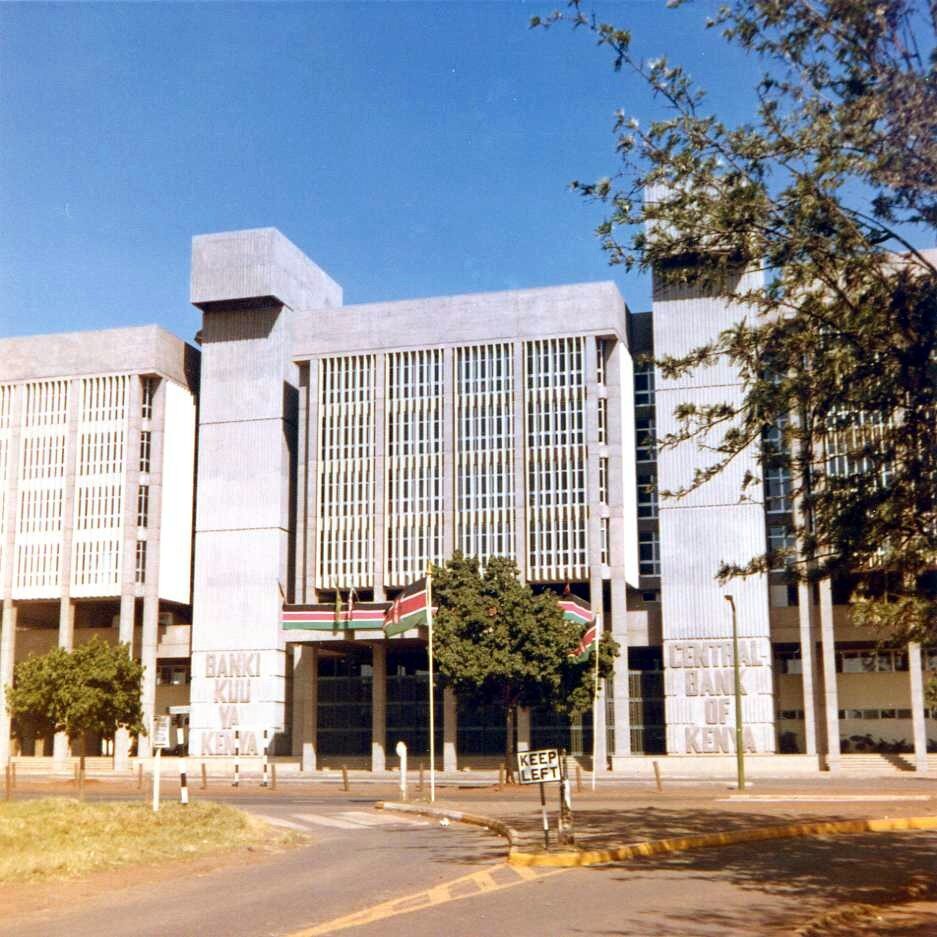
The Monetary Policy Committee, chaired by Governor Kamau Thugge, held the Central Bank Rate at 8.75% on April 8, citing the escalating Middle East conflict as the primary factor behind the pause and flagging potential second-round effects of higher energy prices on Kenya’s domestic inflation trajectory.
- The 10-cut cycle that ended on April 8 ran from June 2024 through February 2026 and cumulatively reduced the CBR by 425 basis points from a cycle high of 13.0%. It was the longest and deepest easing cycle in CBK’s recorded history, made possible by a sustained disinflationary trend driven by currency stability, favourable agricultural conditions, and global commodity price moderation. The April 8 pause is the first break in that sequence.
- The oil shock is the direct cause. International oil prices rose from approximately $63 per barrel in December 2025 to near $98 by late March 2026 as the Iran war disrupted Hormuz shipping routes. Kenya imports essentially all of its petroleum requirements. The Energy and Petroleum Regulatory Authority’s April price review saw petrol in Nairobi rise to KSh206.70 per litre and diesel to KSh206.84, driven by a 41.5% increase in landed petrol costs and a 68.7% jump in diesel landed costs.
- Headline inflation edged to 4.4% in March 2026 from 4.3% in February, remaining below the midpoint of the 2.5% to 7.5% target range. Core inflation held steady at 2.1%. The threat is not in the current reading but in the forecast: the CBK projects inflation could peak at 6.2% in July 2026 if the conflict persists for a further three months, breaching the target range midpoint of 5% for the first time since the easing cycle began.
- The CBK has simultaneously revised its 2026 GDP growth forecast down to 5.3% from 5.5%, reflecting the conflict’s drag on trade, tourism receipts, and remittance flows from the Gulf. The current account deficit projection was widened to 3.0% of GDP from 2.2%, driven by higher oil import costs, slower diaspora remittance growth of 1.9%, lower services receipts and reduced export projections.
- Kenya’s reserves provide a meaningful buffer. Foreign exchange reserves stood at $13.354 billion as of the April meeting, equivalent to 5.68 months of import cover, well above the four-month threshold the CBK considers adequate. The Kenyan shilling has weakened only marginally, breaching the KSh130 per dollar mark for the first time since November 2025, though it remains relatively stable year to date.
- Private sector credit growth is running in the other direction from the macro headwinds, accelerating to 8.1% in March 2026 from 7.4% in February, the strongest reading in over two years. Average commercial bank lending rates fell to 14.7%. This suggests the 10-cut cycle has successfully transmitted into the real economy, and businesses are borrowing.
- A two-week Iran-US ceasefire was announced around the time of the April 8 meeting, temporarily pushing global oil prices lower. However, analysts widely expect the geopolitical risk premium in oil to persist regardless of ceasefire dynamics, keeping the CBK in a cautious hold stance. The next MPC meeting is June 2026.
Governor Thugge said the Committee will closely monitor the impact of the policy decision, the evolution and impact of the conflict in the Middle East, and other developments in the global and domestic economies, standing ready to take further action as necessary.
The Bigger Picture: Kenya entered 2026 having pulled off one of East Africa’s most impressive monetary policy pivots. The 10-cut cycle unlocked credit, supported growth, and began building a consumer and business recovery. The Iran war arrived like a wrench thrown into the gears. The pause is the correct policy response: inflation has not yet moved materially, but the pipeline is visible, and cutting rates into an oil shock would be irresponsible. The real question is what happens from here. If the Hormuz disruption is resolved within two to three months and oil retreats, Kenya resumes cutting and the recovery continues. If it persists, the CBK faces an inflation overshoot that forces it not just to hold but potentially to reverse. June’s MPC meeting will tell us which scenario is playing out.
Source: Bloomberg / Kenyan Wallstreet / Capital FM, April 8-16, 2026