
IN SHORT: Ghana’s cedi fell only 4.4% against the US dollar in Q1 2026, the lowest first-quarter loss in six years, as the country’s IMF programme recovery continues to deliver structural results. Inflation fell to 3.2% in March 2026 and the Bank of Ghana has cut its monetary policy rate by 400 basis points in Q1 alone, bringing it to 14%, following 900 basis points of cuts in 2025. Debt-to-GDP fell to 45.3% at end-2025 from a peak of 92.4% at the height of the 2022 crisis. Gold exports hit $20 billion in 2025, more than doubling in a single year.
Ghana is posting the strongest macroeconomic numbers in a decade, with the cedi recording its best first quarter in six years, inflation at 3.2%, GDP growth of 6% in 2025, and a debt trajectory that has already beaten the targets set when the country entered its IMF programme three years ago. It is a turnaround story that would have seemed implausible during the nadir of 2022.
The data comes from multiple sources: Black Star Group’s Q1 2026 FX analysis, the World Bank’s Ghana country overview updated in March 2026, and the IMF’s fifth ECF review completed in December 2025.
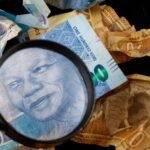
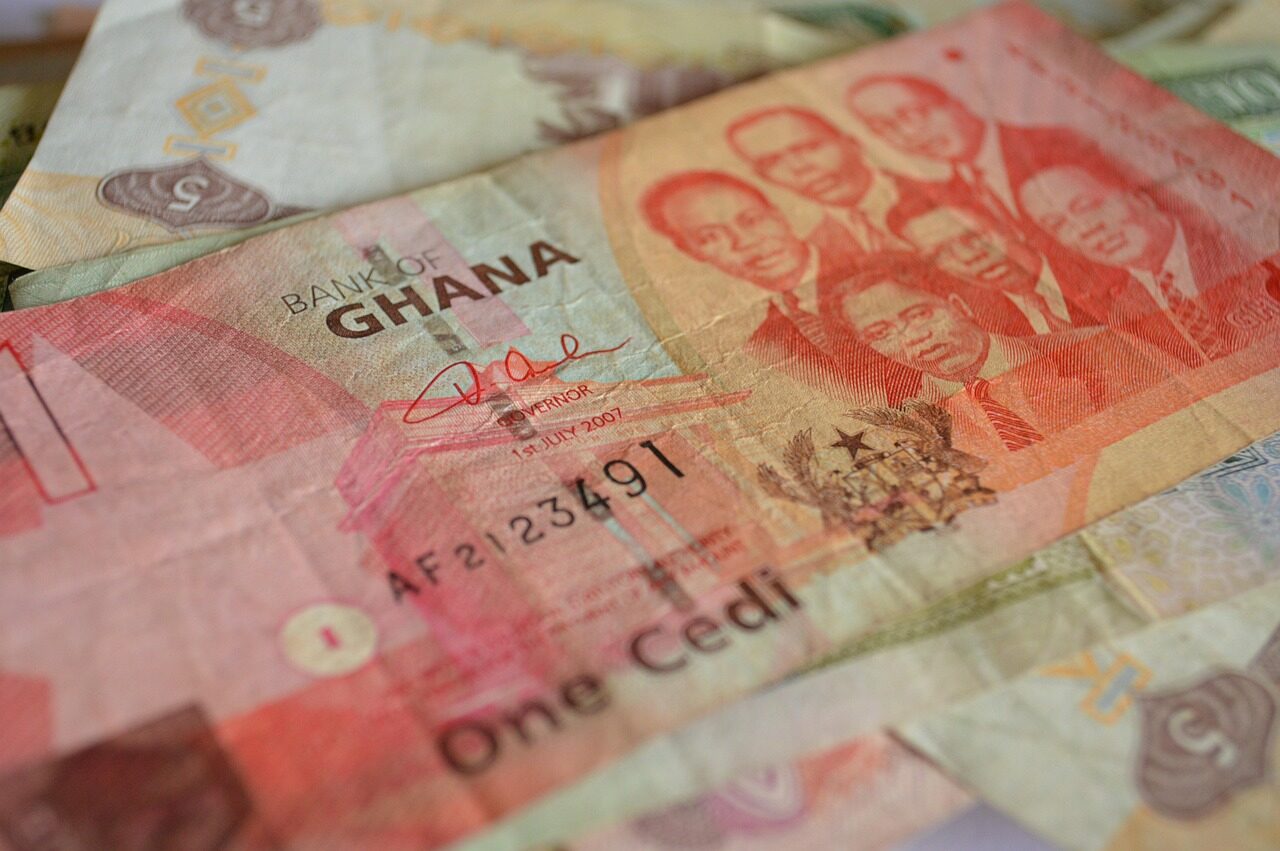
- The cedi fell 4.4% against the dollar in Q1 2026, closing March at GH¢10.98. The six-year Q1 average for cedi depreciation is 8.7%. The 2026 Q1 loss is roughly half that average, a measure of how much the structural environment has changed. At the 2022 peak of the crisis, the cedi was losing value at roughly 10-20% per quarter. At GH¢10.98 today, it remains more than 17% stronger than the GH¢15.53 level it touched in early 2025.
- The turnaround has three primary drivers. First, the IMF programme provided the external anchor, disbursing tranches against performance criteria that forced fiscal discipline the government would have struggled to maintain independently. All quantitative performance criteria and indicative targets for the fifth review were met. Second, debt restructuring has largely been completed: the debt-to-GDP ratio fell from a peak of 92.4% to 45.3% at end-2025, surpassing the IMF’s own targets. Third, gold exports surged to $20 billion in 2025, more than double the prior year, driven by record gold prices and expanded production, creating a current account surplus that gave the Bank of Ghana the reserves to defend the currency.
- Ghana’s inflation trajectory is among the most dramatic on the continent. At the peak of the crisis, headline CPI exceeded 50%. By March 2026, it stands at 3.2%, well within the Bank of Ghana’s 8% plus or minus 2% target band. The Monetary Policy Rate followed: after 900 basis points of cuts in 2025, the BoG cut a further 400 basis points in Q1 2026 alone, bringing the MPR to 14%. Commercial bank lending rates fell to approximately 27%, giving businesses their first meaningful access to affordable credit in years.
- The IMF revised Ghana’s 2026 growth forecast to 4.8%. GDP grew 5.8% in 2024 and 6% in 2025. Private sector credit is recovering. Foreign exchange reserves have been rebuilt to over 5.7 months of import cover.
- The risks have not disappeared. Black Star Group and Databank both project the cedi will be in the GH¢12.60-12.85 range by December 2026, an approximate 15% depreciation from current levels, as external pressures from the Hormuz oil shock work through. Cocoa prices fell 45.6% in Q1 2026, the steepest quarterly drop in six years, pressing on Ghana’s second-largest export commodity at a moment when the government raised farmgate prices by up to 50%. Transport inflation, currently running at minus 7.3% year on year, could reverse sharply if fuel prices are adjusted upward.
- President John Dramani Mahama, who won the December 2024 election, inherited the reform programme and has continued it, committing to the 2026 budget’s 1.5% primary surplus target. The World Bank’s portfolio in Ghana is $4.29 billion across 16 projects.
Black Star Group’s Q1 2026 report framed the current environment as “characterised by lower costs of capital and a resurgence in investor appetite.”
The Bigger Picture: Ghana in 2026 is the story of what disciplined crisis management can produce in three years. The country was functionally bankrupt in 2022. Default was avoided, just. The IMF programme, the debt restructuring, the gold windfall and the monetary tightening have collectively turned one of Africa’s worst fiscal crises into one of its most complete recoveries. The test now is whether that recovery survives the external shocks of 2026, the oil price spike, the cocoa price collapse, and the global rate environment, without abandoning the fiscal discipline that produced the gains. Ghana has earned some resilience. It has not earned invulnerability.
Source: B&FT / World Bank Ghana / IMF via Ghanaian Times, April 2026