IN SHORT: Zimbabwe shipped Africa’s first-ever consignment of lithium sulphate from the Arcadia mine near Harare on April 28, produced at the $400 million processing plant built by China’s Zhejiang Huayou Cobalt. The shipment is the first lithium salt ever produced on the African continent, and arrives two months after Zimbabwe banned raw lithium concentrate exports to force domestic processing. The plant has a nameplate capacity of 50,000 metric tonnes of lithium sulphate per year.
Zimbabwe has shipped Africa’s first consignment of lithium sulphate, becoming the continent’s first country to move up the battery minerals value chain from raw ore extraction to intermediate chemical production. The milestone arrives directly because the government banned raw exports and forced Chinese investors to build processing capacity inside its borders.
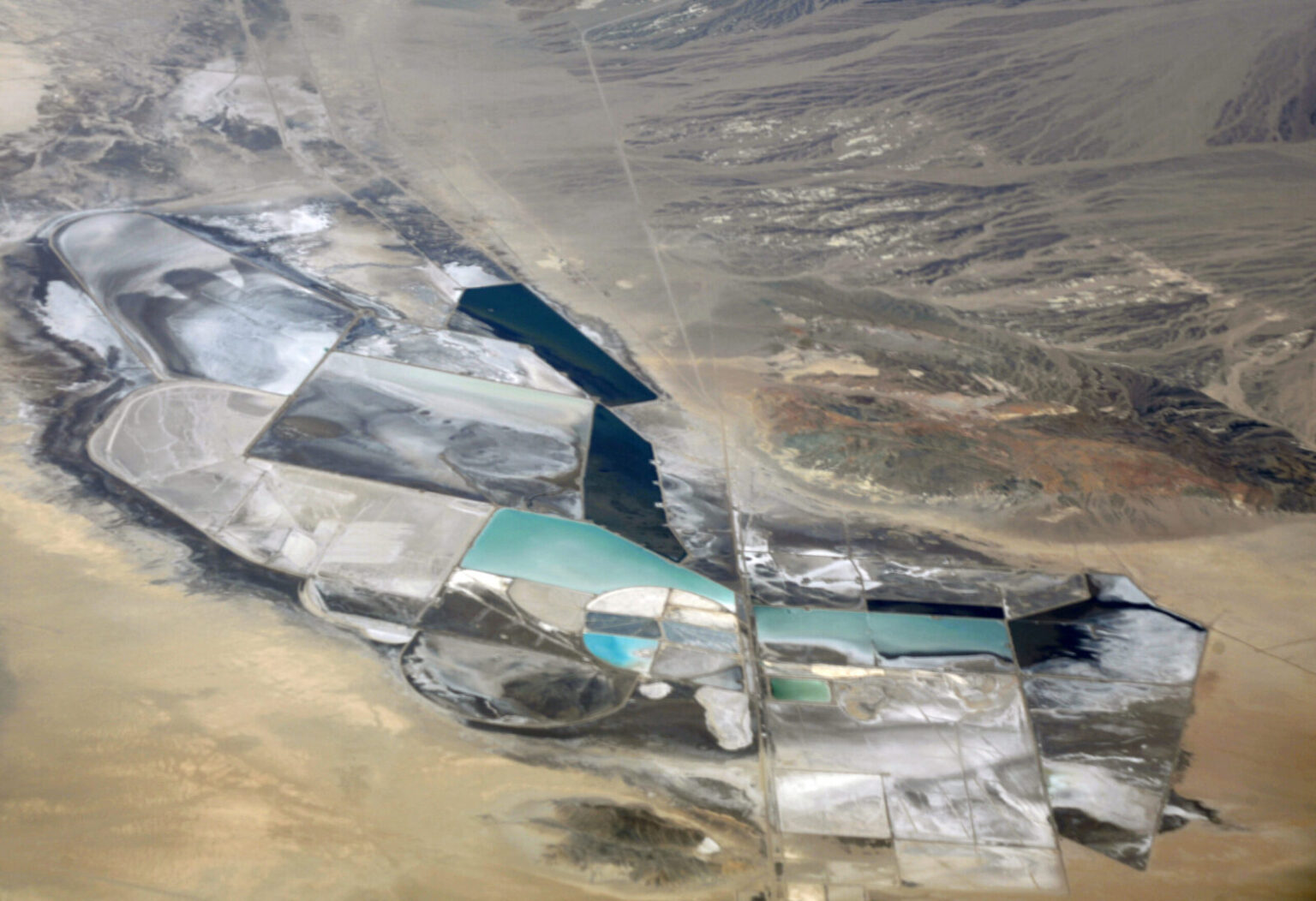
Prospect Lithium Zimbabwe (PLZ), a subsidiary of Zhejiang Huayou Cobalt, dispatched the inaugural shipment from the Arcadia lithium mine on April 28. The company said: “History has been made. Arcadia Technology Zimbabwe has successfully dispatched its first export of lithium sulphate, a landmark achievement for both the company, the country and the continent.”
- Lithium sulphate is an intermediate product in the battery materials supply chain, positioned between raw spodumene concentrate and the refined lithium hydroxide or lithium carbonate that goes directly into electric vehicle battery cathodes. Moving to lithium sulphate adds significant value over raw ore: the processing step captures chemistry, energy and labour costs that previously occurred entirely in Chinese facilities.
- Zhejiang Huayou Cobalt committed approximately $400 million to construct the processing plant at Arcadia. Equipment installation completed in late 2025 and first commercial production followed in Q1 2026. The nameplate capacity is 50,000 metric tonnes of lithium sulphate per year, making it the largest downstream lithium processing facility on the African continent by a wide margin. No comparable facility existed in Africa before this commissioning.
- Zimbabwe acted with unusual regulatory clarity to force this outcome. The government froze all exports of lithium concentrate on February 25, 2026, citing malpractices and revenue leakage. It has imposed a 10% tax on any concentrate exports that do resume under quota and has legislated a full ban on lithium concentrate exports from January 2027. The export tax does not apply to lithium sulphate, creating a direct financial incentive to process rather than ship raw ore.
- In 2025, Zimbabwe exported 1.13 million metric tonnes of spodumene concentrate to China, accounting for approximately 15% of China’s lithium concentrate imports. That was raw material with essentially no value added. The lithium sulphate plant converts the same input into a product worth significantly more per tonne, with the chemistry, water, energy and employment remaining inside Zimbabwe.
- Global lithium carbonate prices in China had risen to three-month highs by late April 2026, up approximately 50% year to date, after an extended period of oversupply suppression. The price recovery improves the economics of sulphate production materially and validates Huayou’s $400 million investment decision.
- Chinese firms dominate Zimbabwe’s lithium mining sector. Alongside Huayou at Arcadia, Sichuan Yahua, Chengxin Lithium and Sinomine all operate in the country. The Arcadia plant is the first to complete the processing transition that Zimbabwe’s policy demands. The others are expected to follow as the January 2027 concentrate export ban approaches.
- PLZ General Manager Henry Zhu said: “This is more than just a shipment; it is a testament to Zimbabwe’s innovation and Africa’s growing role in the global energy transition.”
Zimbabwe holds Africa’s largest known hard-rock lithium reserves, estimated at over 100 million tonnes of spodumene-bearing pegmatite resources. The Arcadia mine alone contains measured and indicated resources of approximately 89 million tonnes.
The Bigger Picture: Zimbabwe’s export ban worked. That sentence needs to sit for a moment, because it is genuinely unusual. African governments have attempted value-addition-through-export-bans for decades, with mixed results. Indonesia did it with nickel and it worked, forcing billions in downstream investment. Zimbabwe did it with lithium and the $400 million plant followed within two years. The lesson is not that bans always work. The lesson is that when a country holds a genuinely scarce resource that the world urgently needs, the leverage is real, and a credible policy backed by regulatory follow-through can redirect investment. For other African resource holders watching this play out, it is one of the most instructive policy experiments on the continent right now.
Source: CNBC Africa / NewZimbabwe / Mining Weekly, April 28, 2026