IN SHORT: The IMF forecasts the DRC’s GDP reaching $123 billion in 2026, edging past Ethiopia’s $122 billion to become Sub-Saharan Africa’s fifth-largest economy. The shift is driven by a cobalt and copper mining boom and a strengthening currency. South Africa, Nigeria, Angola and Kenya retain the top four positions.
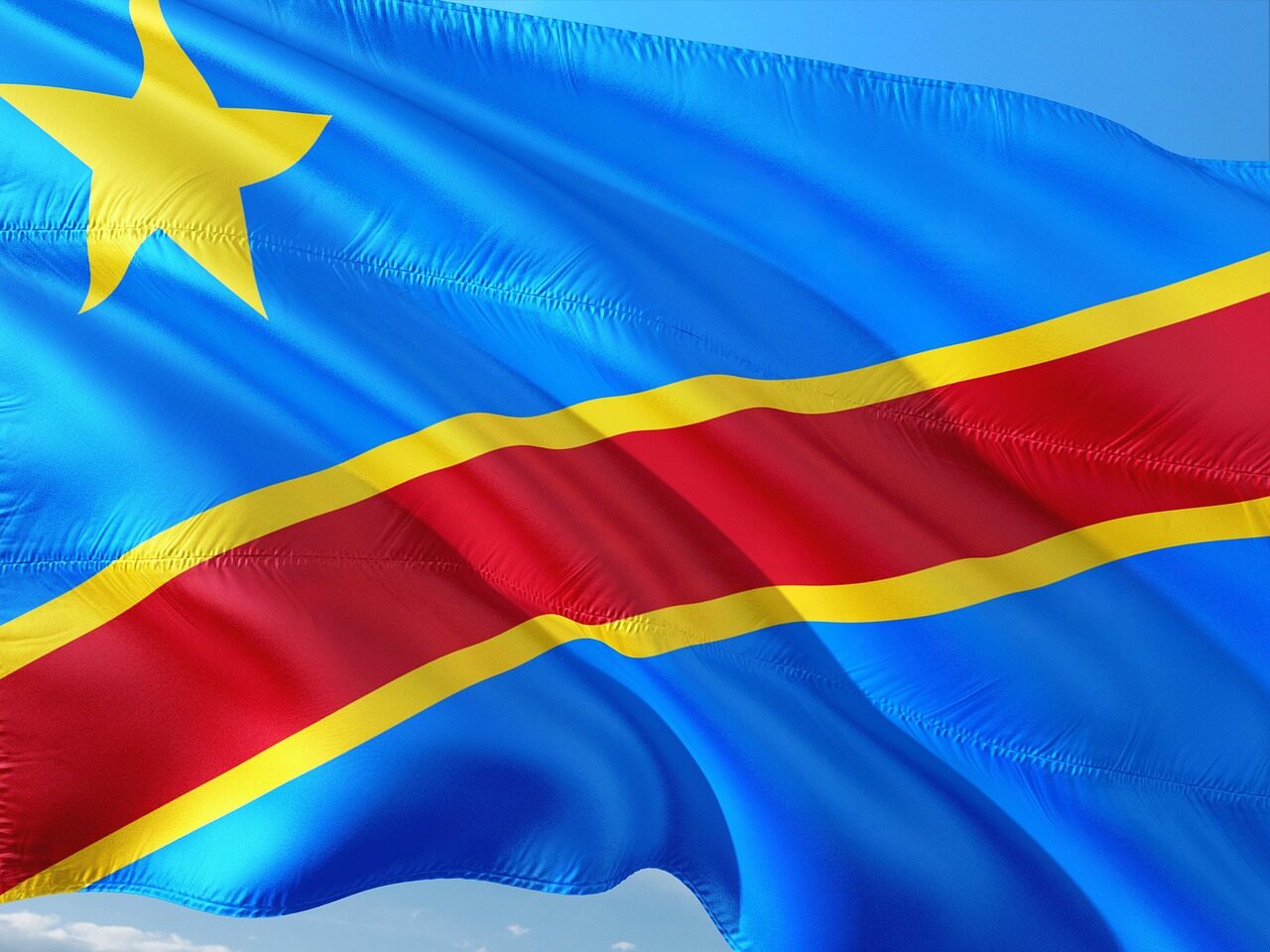
The Democratic Republic of Congo is on course to overtake Ethiopia as Sub-Saharan Africa’s fifth-largest economy in 2026, the IMF has confirmed, as a mining boom powered by global demand for cobalt and copper pushes the country’s GDP to $123 billion against Ethiopia’s projected $122 billion.
The ranking marks a structural shift on the continent’s economic map, with a resource-driven economy overtaking a reform-driven one at a moment when critical mineral demand is reshaping African growth trajectories.
- The IMF forecasts DRC growth at 5.9% in 2026, below Ethiopia’s 9.2%, but the dollar GDP comparison favours Congo because of a strengthening Congolese franc and rising commodity export revenues. Exchange-rate movements and terms-of-trade gains have driven Congo’s dollar GDP sharply higher even as its growth rate trails.
- South Africa retains first place with the region’s largest economy, followed by Nigeria, Angola and Kenya. DRC’s rise to fifth is the first significant change to the top five in several years.
- The DRC’s ascent is directly tied to its dominant position in global battery material supply chains. The country produces approximately 70% of the world’s cobalt and is the second-largest copper producer. Both metals are critical inputs for EV batteries and energy transition infrastructure.
- The DRC’s mining momentum has been reinforced by a series of landmark transactions in 2026: a $1.25 billion debut eurobond in April, a strategic minerals agreement with the United States directing copper exports toward Western markets, and the formal creation of a state strategic reserve for cobalt giving Kinshasa direct pricing power.
- A US-backed peace agreement with Rwanda, while fragile, has reduced geopolitical risk in the country’s mineral-rich eastern provinces and contributed to S&P Global upgrading Congo’s sovereign outlook to positive this year.
- Despite the economic momentum, the DRC remains exposed to volatility. Its external debt is 97% concessional, governance and infrastructure gaps persist, and instability in the east continues to weigh on investor sentiment outside the mining sector.
- Ethiopia’s slip to sixth reflects a slower dollar GDP accumulation despite a higher growth rate, with currency pressures from a devalued birr and IMF-mandated macroeconomic reforms tempering the dollar value of its economy even as its productive capacity expands rapidly.
The IMF’s April 2026 Regional Economic Outlook, which confirmed the ranking shift, also revised Sub-Saharan Africa’s aggregate 2026 growth down to 4.3% from a pre-war 4.6%, citing the Hormuz disruption’s impact on oil-importing economies. DRC, as an oil exporter, faces a different set of pressures from the Middle East conflict than its neighbours.
The Bigger Picture: Congo’s rise to fifth place is not an economic miracle. It is what happens when a country holding 70% of the world’s cobalt and enormous copper reserves is finally able to convert those assets into sovereign leverage. The debut eurobond, the cobalt strategic reserve, the copper sales deal with the US and now the GDP ranking shift are all expressions of the same underlying reality: the DRC holds commodities the world urgently needs, and Kinshasa is learning to price that accordingly. For investors, the question is no longer whether Congo matters. It is how to get exposure before the rest of the market catches up.
Source: Bloomberg / Business Tech Africa