IN SHORT: Ethiopia’s power generation capacity has crossed 10,000 megawatts, Prime Minister Abiy Ahmed confirmed this week, making Ethiopia one of the largest power producers in sub-Saharan Africa. The milestone is driven primarily by the Grand Ethiopian Renaissance Dam reaching full operational capacity, positioning Addis Ababa as East Africa’s emerging clean energy exporter.
Ethiopia has hit 10,000 megawatts of installed power generation capacity, Prime Minister Abiy Ahmed confirmed, a milestone that cements the country’s position as East Africa’s largest electricity producer and opens a new phase of cross-border energy exports to Kenya, Sudan, Djibouti and Tanzania.
The achievement is underpinned by the Grand Ethiopian Renaissance Dam on the Blue Nile, the largest hydroelectric project in Africa, which has been progressively commissioning turbines since 2022 and is now contributing a significant share of Ethiopia’s total output.
- Ethiopia’s 10,000 MW milestone compares with Kenya at approximately 3,300 MW, Tanzania at roughly 1,700 MW and Sudan at under 3,000 MW, making Ethiopia the dominant electricity producer across the East African corridor by a wide margin.
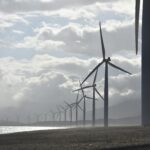
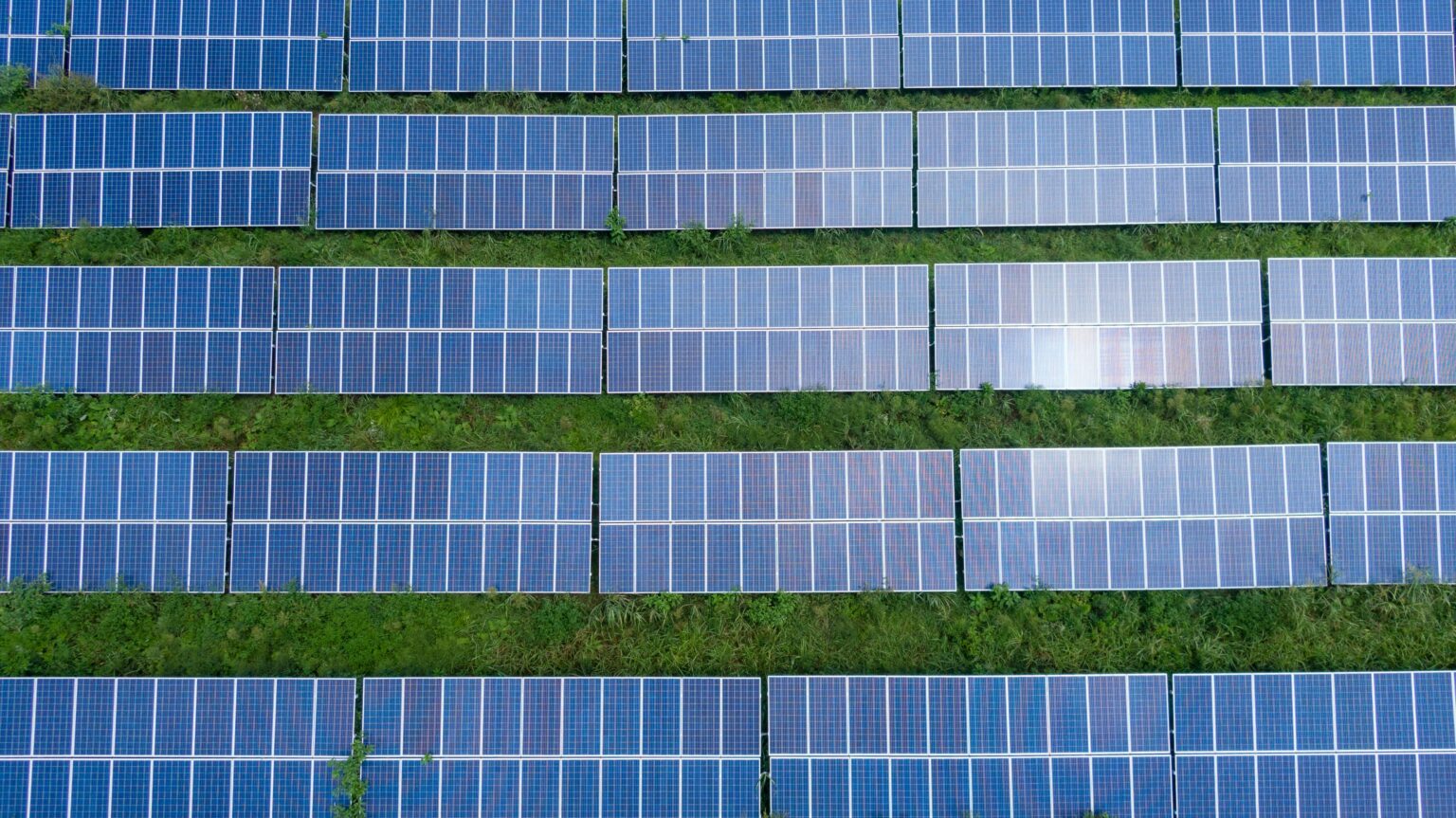
- The Grand Ethiopian Renaissance Dam alone has a designed capacity of 5,150 MW across 13 turbines. Combined with Ethiopia’s legacy Gilgel Gibe hydroelectric cascade, wind farms including the 324 MW Adama Wind Farm, and a growing solar portfolio, Ethiopia has diversified its generation base significantly.
- Ethiopia is an active member of the Eastern Africa Power Pool, which aims to integrate electricity grids across 13 countries and enable cross-border trade. Addis Ababa has existing power export agreements with Djibouti and Sudan and is in advanced discussions with Kenya under the Ethiopia-Kenya Power Systems Interconnection Project.
- The milestone is directly relevant to Ethiopia’s $13.1 billion investment forum outcomes from earlier this month, where renewable energy was the largest deal category. International investors signed agreements for green ammonia production, solar projects and transmission infrastructure predicated on Ethiopia’s surplus generation capacity.
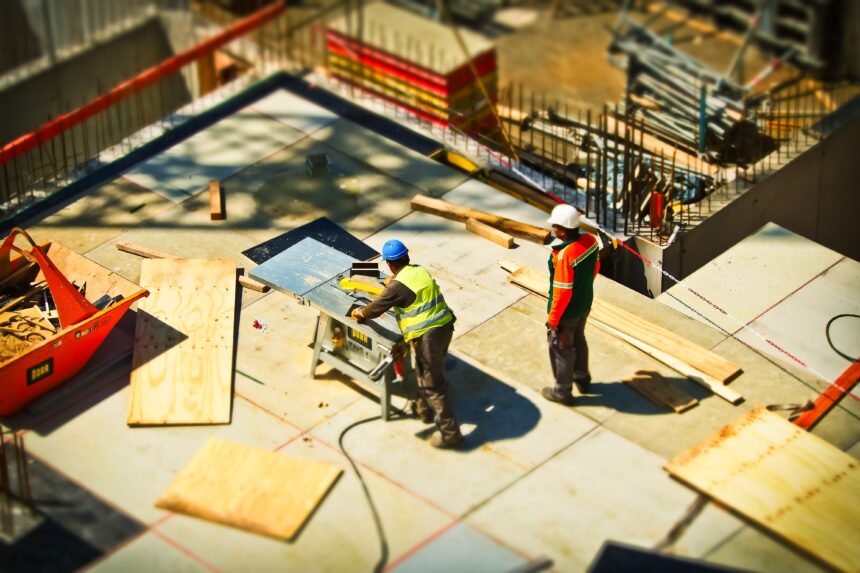
- For the Bishoftu International Airport project — the $12.5 billion Zaha Hadid-designed hub breaking ground in January 2026 — reliable grid power is a prerequisite. Ethiopia’s 10,000 MW base removes a key infrastructure risk for all large-scale construction projects underway across the country.
- Ethiopia’s power generation growth also enables industrial parks designed under the country’s export-led manufacturing strategy. The Eastern Industrial Zone, Bole Lemi and Hawassa Industrial Park collectively employ over 100,000 workers and rely on stable, affordable electricity as a competitive input cost.
The 10,000 MW milestone arrives as Africa faces a continent-wide electricity access gap, with over 600 million people still without reliable grid power. Ethiopia’s trajectory demonstrates that rapid capacity expansion is achievable through disciplined infrastructure investment, even in a low-income economy managing complex debt obligations.
The Bigger Picture: Ethiopia is executing the most ambitious energy programme in sub-Saharan African history and it is working. A country that was importing electricity from Sudan a decade ago is now positioned to become the region’s clean energy hub. The GERD’s full commissioning, combined with wind, solar and geothermal expansion, creates an electricity surplus that Ethiopia is actively monetising through export agreements. For investors watching East Africa, affordable industrial power at scale is the single most important enabler of manufacturing competitiveness — and Ethiopia is building it faster than any peer economy on the continent.
Source: AllAfrica / ENA