
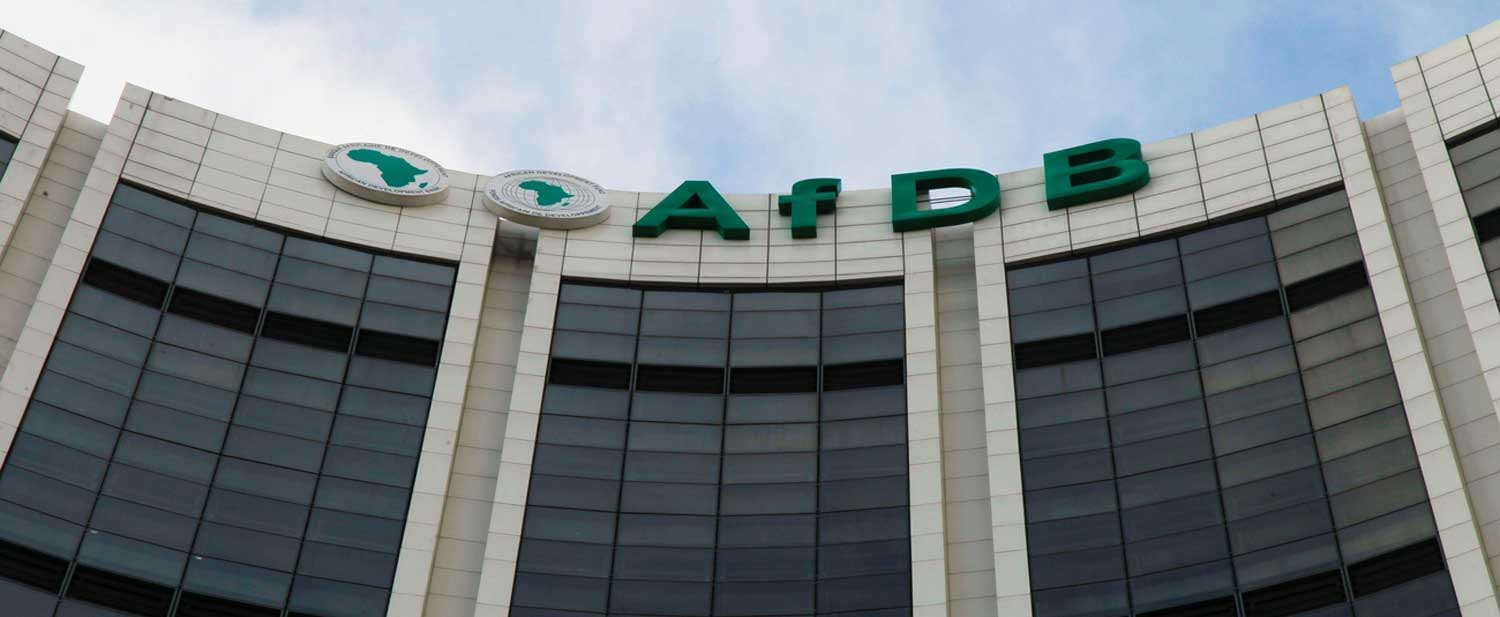
IN SHORT: The African Development Bank announced at the World Bank Spring Meetings that it is intensifying co-financing partnerships to scale development impact, with OPEC Fund committing up to $2 billion and the Arab Bank for Economic Development in Africa committing $800 million for 2026 to 2028. The AfDB’s 2026 Annual Meetings will convene in Brazzaville, Republic of Congo, from May 25 to 29 under the theme "Mobilising Africa’s Development Financing at Scale in a Fragmented World."
The African Development Bank is heading into its May 2026 Annual Meetings in Brazzaville with a strengthened co-financing architecture, securing $2.8 billion in complementary commitments from Arab development partners and building toward a framework that aims to multiply every dollar of catalytic capital up to tenfold.
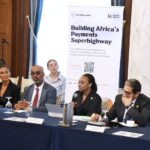
The announcements, made on the sidelines of the World Bank Spring Meetings in Washington this week, come as Africa faces an estimated $400 billion annual development financing gap.
- OPEC Fund for International Development committed up to $2 billion and the Arab Bank for Economic Development in Africa committed $800 million in complementary co-financing over the 2026 to 2028 period, expanding the concessional and blended finance pool available to AfDB-eligible countries across infrastructure, agriculture and energy.
- The AfDB’s new president, Dr Sidi Ould Tah, who assumed office in September 2025, is championing the New African Financial Architecture (NAFA), a framework designed to ensure that every dollar of public or catalytic capital generates up to ten dollars in total investment through better risk structuring.
- Mission 300, the AfDB’s flagship electrification initiative targeting 300 million people with reliable electricity access across sub-Saharan Africa, is a central operational programme alongside these financing commitments.
- The 2026 Annual Meetings in Brazzaville from May 25 to 29 will be the 61st gathering of the AfDB and are expected to draw over 3,000 participants including heads of state, ministers, development partners and private sector leaders. The Congo Republic has received $1.27 billion in AfDB cumulative financing since 1972.
- Twenty-four African countries, 20 of them for the first time, contributed directly to the 17th replenishment of the African Development Fund in December 2025, a structural shift the bank describes as "African ownership in action" signalling a move from aid dependency toward genuine co-investment.
- The AfDB and World Bank Group launched a new phase of their partnership in Abidjan in January 2026, creating a shared platform to move from fragmented cooperation to large-scale programmatic co-investment across priority sectors.
The AfDB’s pivot toward co-financing as its primary leverage model reflects a broader shift in African development finance. With concessional aid declining globally and the US scaling back official development assistance, the continent’s multilateral institutions are reorienting around private capital mobilisation rather than grant dependency.
The Bigger Picture: Africa’s $400 billion annual financing gap is not a shortage of capital in the world. It is a structural inability to organise and deploy capital efficiently on the continent. The AfDB’s NAFA framework targets this directly: if every dollar of development bank capital can crowd in nine dollars of private and co-financing, the gap closes without requiring more aid. The Brazzaville meetings in May will test whether this ambition has translated into bankable pipelines. For investors tracking Africa’s long-term capital formation story, the AfDB’s evolution from lender to catalytic architect is the most important structural development in continental finance this decade.
Source: AllAfrica / AfDB / AfDB Annual Meetings