

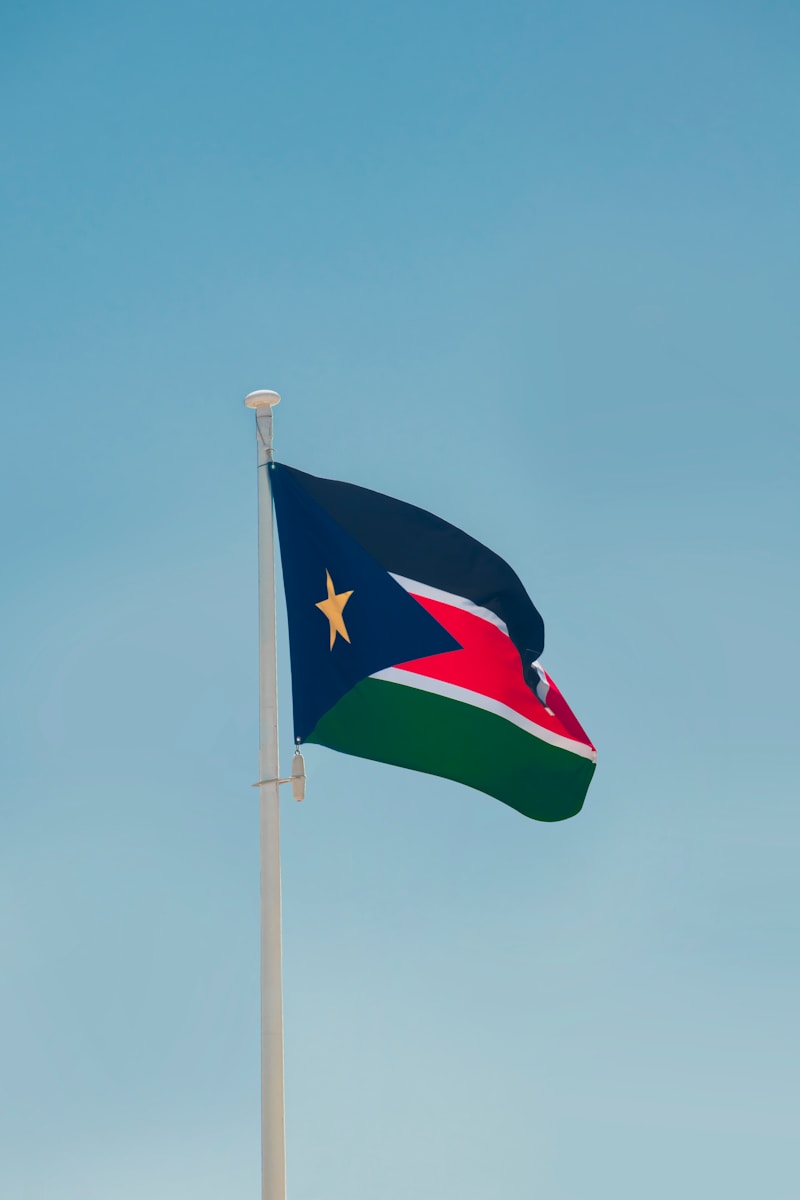
IN SHORT: South Sudan has launched its first-ever instant payments system, three years after the proposal was tabled. The milestone puts one of Africa’s most cash-dependent economies on the digital payments map and extends the continent’s financial infrastructure buildout into its last major holdout.
South Sudan has activated its first-ever instant payments infrastructure, completing a three-year implementation process and giving the continent’s youngest nation its first real-time digital transactions capability in a country where formal banking penetration remains among the lowest in Africa.
- South Sudan has a formal banking access rate of roughly 15% and credit-to-GDP below 10%, placing it among the most financially excluded populations on the continent. The instant payments system creates the foundational rails on which mobile money, agent banking, and digital lending can now be built.
- The launch follows a pattern being replicated across underbanked African markets. Vista Group, led by Simon Tiemtoré, recently acquired Chad’s BAC bank specifically because Chad had formal banking access of around 15% and credit-to-GDP below 10%, the same profile as South Sudan, targeting these underserved markets as the highest-growth opportunity in African banking.
- Kenya and Rwanda signed the Kigali Declaration on fintech licence passporting in March 2026, creating Africa’s first cross-border fintech framework. Nigeria’s CBN launched cross-border digital payments guidance under the AfCFTA in April. South Sudan’s instant payments system means a country previously outside this emerging digital financial infrastructure can now connect to it.
- The GSMA estimates Africa will add 300 million new mobile internet users by 2030, the majority in markets like South Sudan where digital infrastructure is being built from scratch. First-mover payment platforms in these markets have historically captured dominant positions that prove extremely difficult to displace.
- South Sudan’s economy is heavily oil-dependent, with oil accounting for over 90% of government revenues. Digital payment infrastructure reduces the cash economy’s friction and expands the tax base, a fiscal reform priority for a government managing debt and rebuilding after years of conflict.
The launch places South Sudan alongside a cohort of African nations that have built national payments infrastructure this decade, including Rwanda’s Momo Pay, Ghana’s GhIPSS instant pay, and Tanzania’s TIPS system. Each of these platforms seeded fintech ecosystems worth hundreds of millions of dollars within five years of launch. South Sudan is starting from a lower base, but the structural opportunity is identical.
The Bigger Picture: Africa’s financial infrastructure is extending its reach into its last frontiers. South Sudan joining the instant payments map is not just a local story. It is the final piece in a continental mosaic where every nation now has at least the foundation for a digital payments economy. For investors watching African fintech, the frontier has shifted: the next wave of opportunity is not in Lagos or Nairobi, where markets are maturing, but in Juba, N’Djamena, and Bangui, where the infrastructure is being laid today.
Source: TechCabal