
IN SHORT: Nigerian defence technology startup Terra Industries has raised $11.8 million in a seed round led by 8VC, the venture firm of Palantir co-founder Joe Lonsdale, to expand manufacturing of autonomous drones, sentry towers, and unmanned ground vehicles that protect African critical infrastructure. The company, founded in 2024 by two founders aged 22 and 24, already secures assets valued at $11 billion across Nigeria and Ghana and has signed over $50 million in commercial and government contracts, more than four times its venture funding to date.
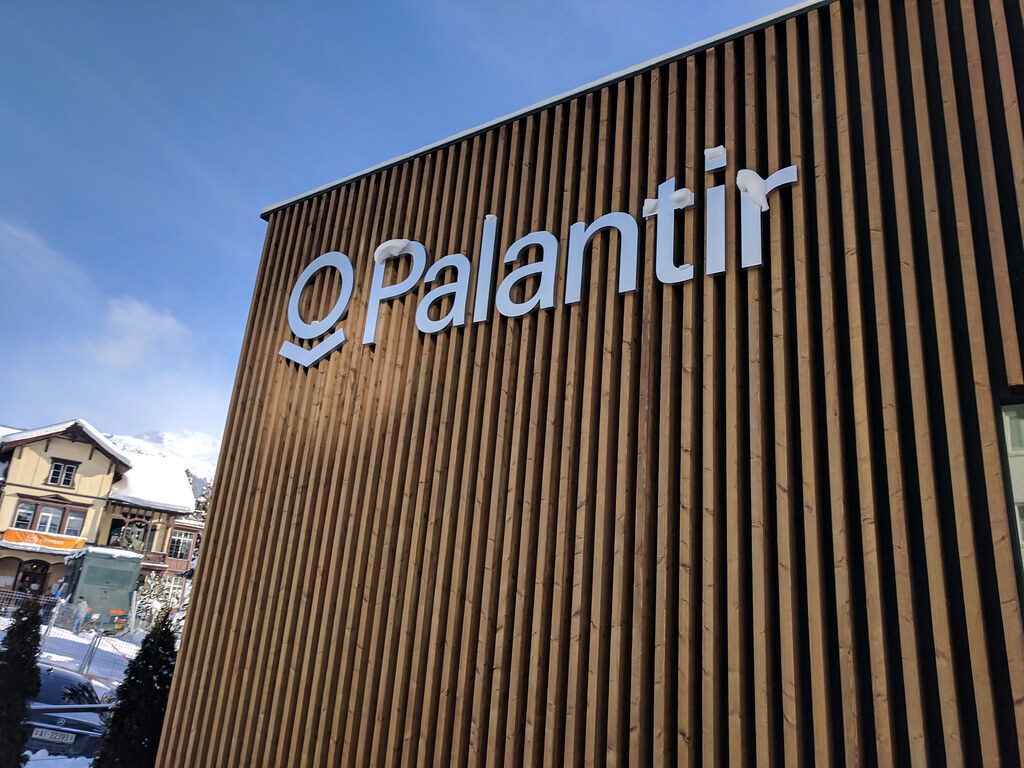
Terra Industries, an Abuja-based defence technology startup founded in 2024 by Nathan Nwachuku and Maxwell Maduka, has raised $11.8 million from a Silicon Valley investor syndicate that includes the co-founder of Palantir, backers of Anduril Industries and SpaceX, and a Palantir board director who joined Terra’s board, signalling that the global defence technology investment ecosystem is treating Africa’s infrastructure security challenge as the next major growth market for autonomous systems.
- Round led by 8VC, the venture firm founded by Palantir co-founder Joe Lonsdale. Participating investors include Lux Capital, Valor Equity Partners (a backer of Anduril and SpaceX), SV Angel, Leblon Capital, Silent Ventures, Nova Global, and Ribbit Capital managing partner Meyer Malka.
- Alex Moore, a defence-focused partner at 8VC and a non-executive director at Palantir, joined Terra’s board. This is a strategic position, not a passive investment.
- Terra designs and manufactures autonomous drones, sentry towers, and unmanned ground vehicles entirely in Nigeria at a 15,000 sq ft manufacturing facility in Abuja, operating under its ArtemisOS platform for real-time threat detection and response.
- The company says its systems currently protect infrastructure assets valued at approximately $11 billion, including hydropower plants in Nigeria and gold and lithium mining operations in Ghana. It has signed over $50 million in commercial and government contracts and reported more than $2.5 million in commercial revenue.
- In June 2025, Terra won a $1.2 million contract to secure two hydropower plants, outcompeting a consortium led by an Israeli defence technology firm, demonstrating it can win against established Western suppliers on local turf.
- The funding will be used to expand manufacturing capacity, grow the engineering and software teams, and accelerate deployments across allied African countries. Software offices are planned for San Francisco and London; all manufacturing stays on the continent.
- Terra’s founders frame the strategic case directly: Africa holds approximately 30% of global critical mineral reserves and invests close to $100 billion annually in infrastructure, but much of that investment is in remote or unstable regions where security has lagged economic development.
Terra Industries is an unusual company in the African startup landscape: it is not a consumer app, not a fintech, not a logistics platform. It is a defence manufacturer, building hardware in Africa for African governments and corporates, and it is winning contracts against foreign incumbents. The $11.8 million raise is notable less for its size than for who is behind it. The Palantir-adjacent network that backed Anduril into a $30 billion company is now writing cheques to an Abuja-based startup. That is a signal about where the smart money thinks the next phase of African infrastructure investment needs to go.
The Bigger Picture: The security-infrastructure nexus is one of the most undercovered structural stories in African business. The DRC’s cobalt mines, Nigeria’s hydropower plants, Ghana’s lithium operations, and East Africa’s fibre networks are all assets that require persistent protection against sabotage, terrorism, and armed attack. The traditional response has been to rely on Western or Chinese security contractors, or on state security forces of variable reliability. Terra’s model, building locally, manufacturing on the continent, and embedding African engineers and operational knowledge into the product, is structurally better for long-term African resource sovereignty. If the company can scale to a continental footprint across 10 to 15 countries, it becomes strategically important infrastructure in its own right.
Source: Daba Finance / Bloomberg