
IN SHORT: Côte d’Ivoire abolished a 26-year-old customs visa requirement on goods shipped to Mali and Burkina Faso on March 31, 2026, replacing it with two real-time digital transit systems already operational. The move is the most significant single trade facilitation step between Abidjan and the AES Sahel countries since Mali and Burkina Faso left ECOWAS in early 2025.
Côte d’Ivoire’s customs authority has abolished the mandatory pre-clearance visa that has governed every cargo declaration destined for Mali and Burkina Faso since 2000, effective March 31, 2026, replacing 26 years of paper-stamping bureaucracy with two live digital transit platforms that transmit cargo data in real time between Abidjan and both landlocked capitals. The circular, signed by Customs Director General General Pierre Alphonse Da, removes the requirement for Mali and Burkina Faso customs representatives stationed in Côte d’Ivoire to physically endorse each declaration before it can be filed, a step that has long added time and cost to the Abidjan corridor that handles the majority of both countries’ imports.
- The customs visa requirement, established by circular in April 2000, required freight brokers to obtain physical endorsement from Mali and Burkina Faso customs representatives in Côte d’Ivoire before filing any cargo declaration. It is now abolished entirely.
- The Abidjan-Mali corridor is now managed through the Module Informatique T1, a digital transit management system transmitting cargo data in real time between the two customs administrations.
- The Abidjan-Burkina Faso corridor is managed through SIGMAT (Système Interconnecté de Gestion des Marchandises en Transit), a separate interconnected system ensuring continuous, transparent, and secure data flows.
- Licensed freight brokers can now file cargo declarations directly at the competent Ivorian customs offices without any prior validation from Mali or Burkina Faso representatives.
- The reform is framed under the TRIE (Transit Routier Inter-États) convention, a West African interstate road transit agreement designed to facilitate cross-border goods movement.
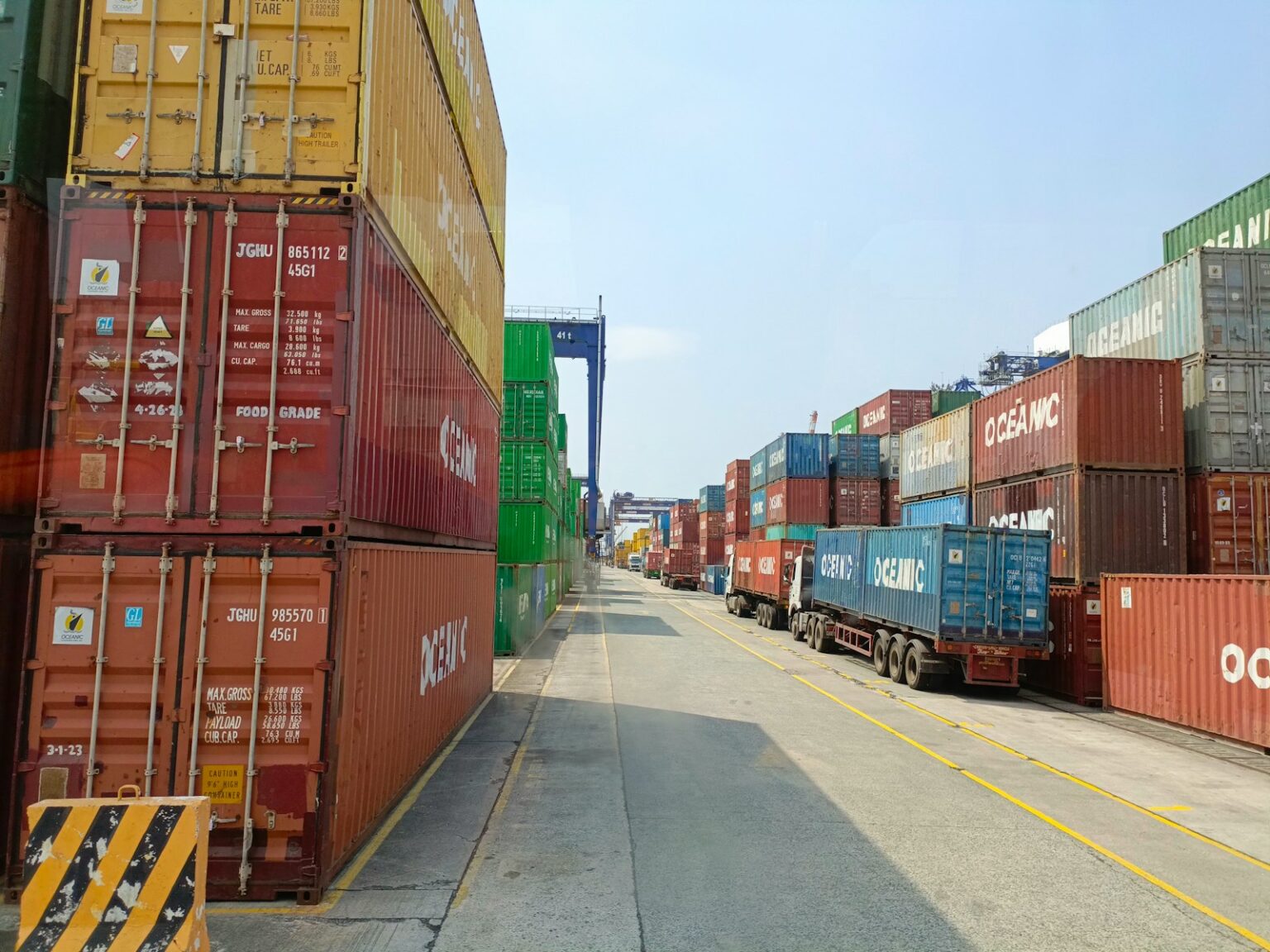
- Côte d’Ivoire is historically Mali’s largest supplier in Africa. The Port of Abidjan and the smaller Port of San Pedro are the primary transit gateways for both landlocked countries, which together depend on Ivorian territory for the majority of their import logistics.
- Mali and Burkina Faso officially left ECOWAS in early 2025 as members of the Alliance des États du Sahel. The reform signals that Abidjan is maintaining and streamlining practical trade ties with the AES countries regardless of the political rupture at the bloc level.
The timing is significant. Mali and Burkina Faso departed ECOWAS under circumstances of considerable diplomatic tension, with Abidjan among the coastal states most critical of the military juntas in power in both Sahel countries. The elimination of a trade friction point that has existed for a quarter century, at this particular moment, suggests a pragmatic calculation: whatever the political differences, Côte d’Ivoire’s commercial interests are deeply tied to smooth transit trade with its northern neighbours, and bureaucratic obstruction of that corridor serves no one.
The Bigger Picture: This is a small reform with a large signal. The AES departure from ECOWAS raised legitimate fears about fragmentation of West African trade infrastructure. Burkina Faso and Mali rely on Ivorian ports and road networks for a substantial share of their imports. Abidjan relies on transit fees, port throughput, and regional commercial relationships. Disrupting that nexus would hurt both sides. The digitisation of transit management through T1 and SIGMAT is the enabling technology that makes the old manual visa redundant, but the decision to act on it now, with a clear directive and an immediate effective date, is a political and commercial choice to keep the Abidjan corridor working regardless of bloc membership status. For the 22 million people in Mali and Burkina Faso, smoother import flows mean more reliable and cheaper access to goods. That matters more than the ECOWAS flag on the paperwork.
Source: La Nouvelle Tribune / Ghana News Agency