
IN SHORT: Kenya’s Energy PS, KPC Managing Director, and EPRA Director General have all resigned and been arrested after a DCI investigation found they falsified national fuel stock data to manufacture a fake shortage, then used that pretext to import fuel outside the government-to-government framework, overpriced by an estimated Ksh4 billion and failing quality standards. A second shipment has been blocked. President Ruto has vowed zero tolerance for oil cartels.
Kenya’s three most senior petroleum sector officials have resigned and face criminal investigation after DCI detectives found they manipulated national fuel stock figures to trigger emergency procurement outside the government-to-government oil framework, importing 60,000 metric tonnes of fuel aboard MV Paloma at prices $290 per tonne above the contracted G2G rate, in a scandal that could cost taxpayers up to Ksh8 billion across two shipments. Energy Principal Secretary Mohamed Liban, Kenya Pipeline Company Managing Director Joe Sang, and EPRA Director General Daniel Kiptoo Bargoria all resigned within days of the arrests.
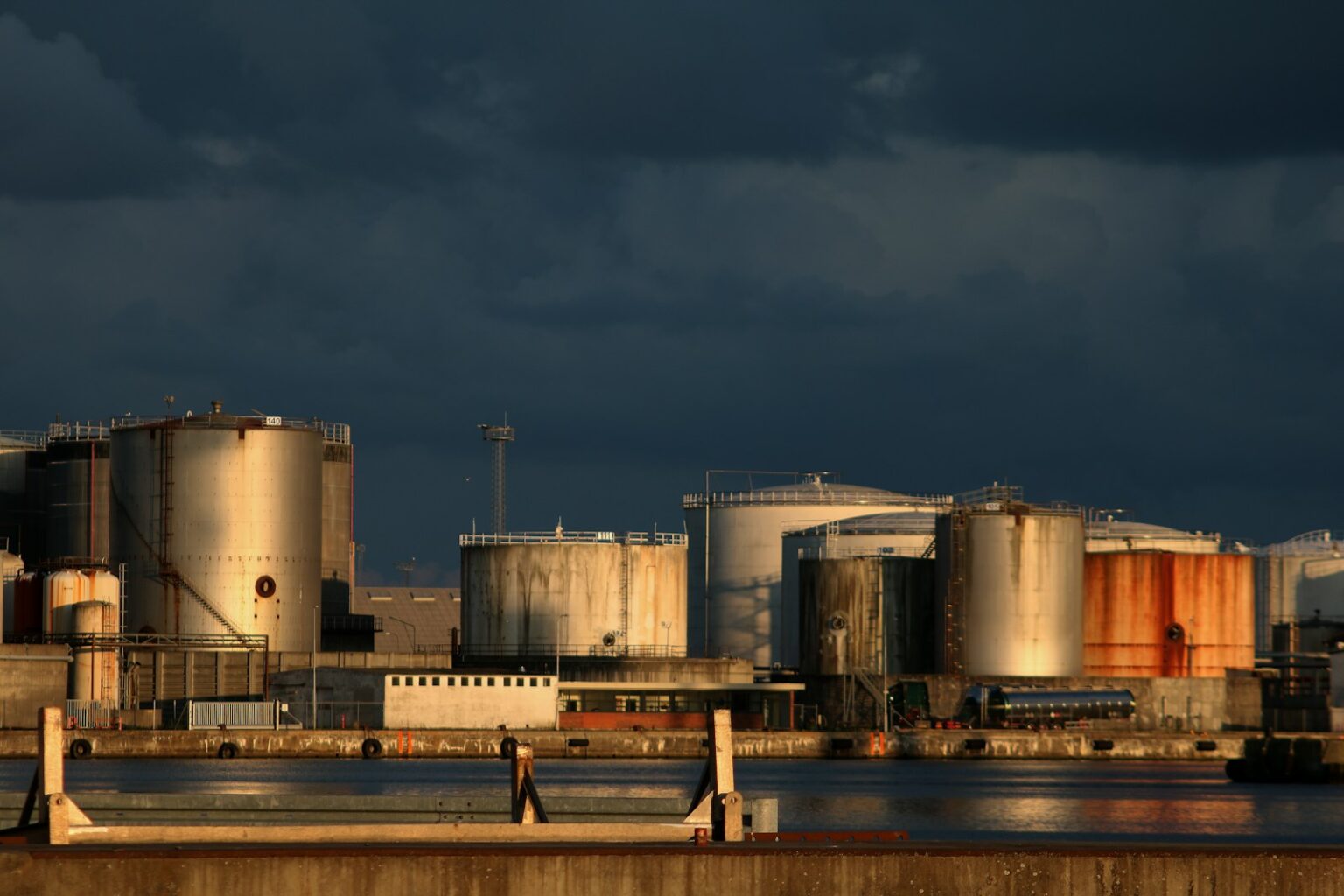
- The vessel MV Paloma docked at Mombasa between March 27 and 29, 2026, carrying fuel sourced originally from Saudi Aramco, then allegedly rerouted through a local importer outside the G2G procurement channel.
- The cargo was reportedly overpriced by more than Ksh4 billion. A second anticipated shipment under similar circumstances could push total taxpayer losses to Ksh8 billion, according to preliminary DCI findings.
- Quality tests flagged elevated sulphur levels failing Kenya’s regulatory standards, identified first by a KPC quality assurance manager before being escalated to investigators.
- Energy CS Opiyo Wandayi confirmed the government blocked a second cargo under similar circumstances: “When full information about the fuel shipment emerged, we stopped the delivery of a second cargo, thus protecting public interest.”
- One Petroleum’s G-to-G petrol cargo landed in Mombasa at Ksh198,855 per metric tonne versus Gulf Energy’s G2G price of Ksh140,111, a difference of Ksh43.4 per litre showing the scale of overpricing.
- Two other oil firms, One Petroleum and Oryx, also shipped fuel outside the G2G framework in March, with one cargo attracting a premium of $290 per tonne, more than three times the $84 G2G contracted rate.
- Kenya’s petrol cover has dropped to 16 days amid Strait of Hormuz disruptions, adding urgency to the scandal as the government pivots supply routes to India and Belgium for April deliveries.
- President Ruto warned: “These cartels in the energy sector will not be allowed to operate freely,” pledging to treat oil sector corruption the same way his administration has tackled cartels in coffee and tea.
Kenya established the G2G petroleum import framework in 2023 following severe fuel shortages and FX pressure. Under the arrangement, Gulf majors Saudi Aramco, ENOC, and ADNOC supply fuel on 180-day credit with sovereign guarantee, with Gulf Energy handling more than 80% of petrol imports. The framework has been central to supply stability and shilling support, making its circumvention by senior insiders both a governance failure and a direct threat to energy security at a moment when the Strait of Hormuz closure is already straining supply routes.
The Bigger Picture: This is not a routine procurement scandal. It is a coordinated attack on a strategic national infrastructure by insiders who manipulated official data to manufacture a crisis and profit from the resulting emergency procurement. The fact that three agency heads resigned within days, that the DCI moved fast enough to arrest them, and that a second shipment was blocked before it docked suggests the investigative response has been unusually effective. But the structural question remains: how did a 60,000-tonne substandard cargo clear the Port of Mombasa entirely, get offloaded over three days, and only get flagged by a single quality assurance manager before DCI became involved? The G2G framework is sound; the oversight layer around it clearly is not.
Source: Daily Nation / The East African / Capital FM