IN SHORT: Ghana’s premier engineering body concluded its 56th annual conference in Ho with a direct call to the private sector to partner government on the 24-hour economy. The headline figure: Ghana imports more than $2 billion in machinery every year, a number that engineers say must be redirected into local manufacturing and agro-processing capacity.
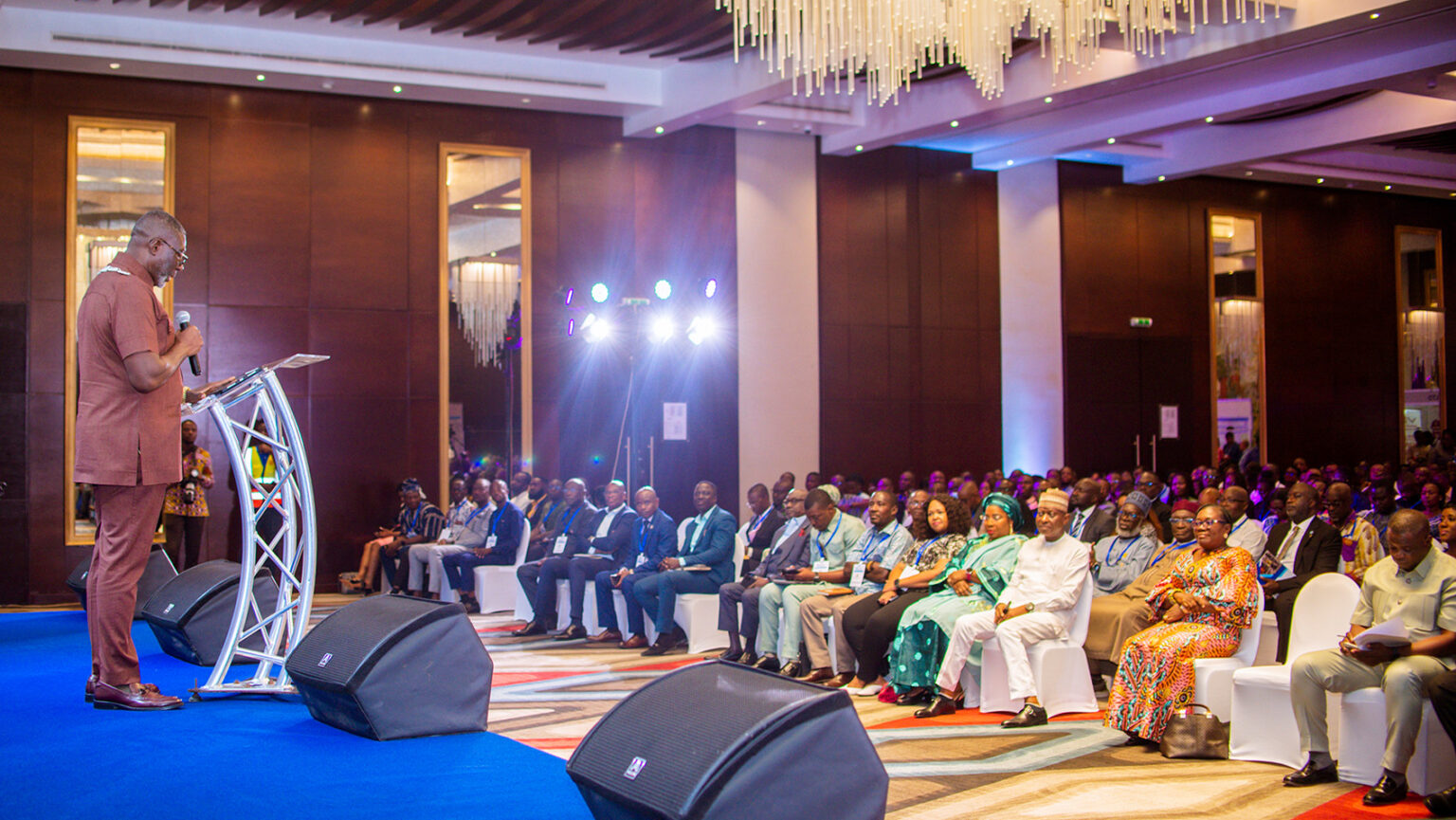
More than 700 engineers, policymakers, and development partners gathered in Ho for the 56th Annual General Meeting of the Ghana Institution of Engineering, issuing a direct challenge to the private sector to co-invest in Ghana’s 24-hour economy agenda or risk leaving a $2 billion annual machinery import gap unaddressed. Presidential Advisor Augustus Goosie Tanoh, representing President Mahama, told delegates that government could not deliver the programme alone and that engineering talent was central to making it work.
- The five-day conference ran from March 16 to 20 in Ho, Volta Region, under the theme “Engineering the Food Security and Sustainable Agriculture Value Chain.”
- Tanoh told delegates Ghana imports more than $2 billion in machinery annually and insisted that value chain must be built domestically: “That value chain must stay here.”
- Plans under the 24-hour economy framework include industrial parks, agro-processing corridors, renewable energy installations, inland water transport systems, and cold chain networks.
- GhIE President Ludwig Annang Hesse pointed to China and other Asian nations as models for what deliberate engineering investment can achieve, urging Ghana to prioritise training engineers and scientists as a foundation for economic transformation.
- Delegates included engineering association representatives from Kenya, South Africa, Nigeria, Sierra Leone, and Liberia, giving the gathering a pan-African dimension.
- Tanoh said Ghanaian firms would lead projects where they had the capacity, with joint ventures used to build local expertise where gaps existed.
The GhIE conference is Ghana’s most significant annual gathering of engineering professionals and typically sets the agenda for how the profession engages with national development priorities. The focus on food security and agro-processing is directly aligned with Mahama’s second-term economic agenda, which centres on local value addition as a mechanism for reducing import dependence and building industrial employment. The $2 billion machinery import figure is a policy pressure point: it quantifies exactly what Ghana is spending abroad on equipment that engineers argue could, over time, be produced domestically.
The Bigger Picture: Ghana’s engineering sector is making a straightforward economic argument: the country cannot industrialise on imports. The 24-hour economy concept, if it reaches the agro-processing corridors and cold chain networks Tanoh described, requires sustained capital investment in domestic manufacturing capacity. The private sector call is both an appeal and a warning. Without industry committing capital alongside government, the framework remains a policy document. What makes this moment different from prior iterations of Ghana’s industrial ambitions is the specificity of the ask: not general investment, but engineering-led solutions to a food security chain that is currently leaking $2 billion a year offshore.
Source: Business and Financial Times / Graphic Online