
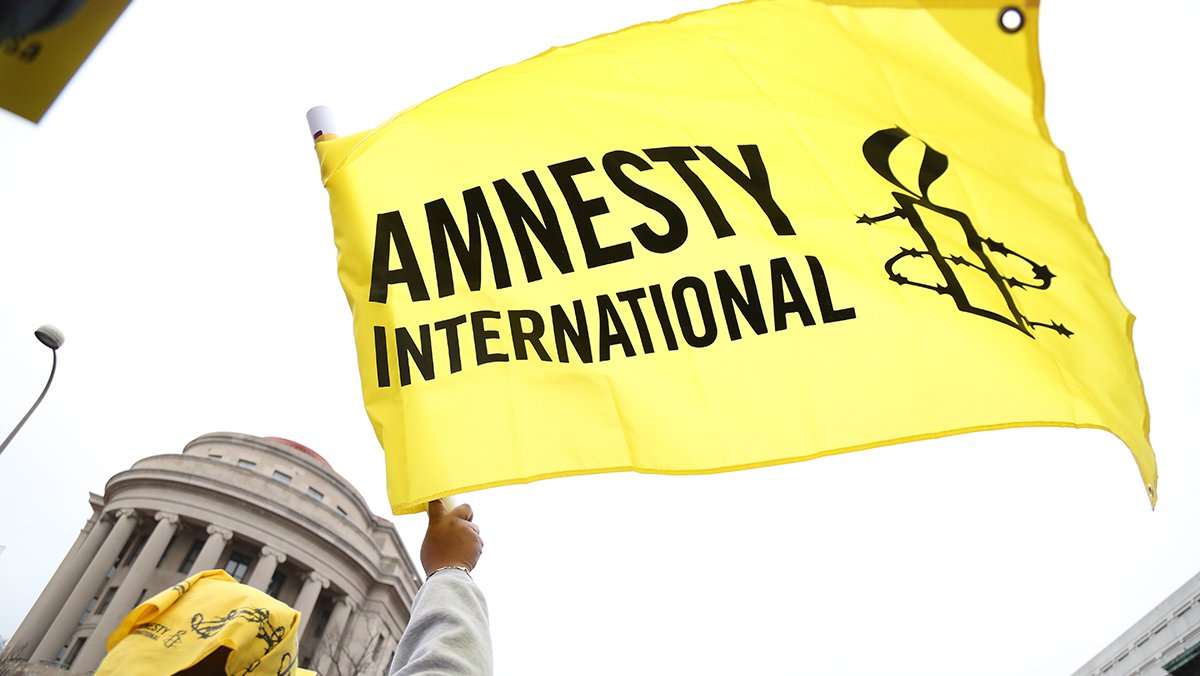
IN SHORT: Amnesty International has welcomed the UN General Assembly’s adoption of Ghana’s resolution declaring the transatlantic slave trade the gravest crime against humanity. The global human rights body called it a momentous step towards justice, adding institutional weight to the 123-3 vote passed on March 25, 2026.
Amnesty International has endorsed the UN General Assembly’s landmark slavery resolution as a momentous step towards justice, becoming one of the most prominent international human rights organisations to formally praise Ghana’s diplomatic achievement. The resolution, adopted on March 25 with 123 votes in favour, formally declares the transatlantic trafficking of enslaved Africans the gravest crime against humanity and calls on member states to engage in reparatory justice, including formal apologies, financial compensation, and the return of looted cultural artefacts.
- Amnesty International, which has been building its legal case for reparations under international law over the past year, welcomed the resolution as formal UN-level recognition of slavery’s status as a crime against humanity.
- The organisation has previously argued that the legacies of chattel enslavement continue to obstruct the full realisation of human rights for Africans and people of African descent globally, including the right to equality and non-discrimination.
- The resolution passed 123-3, with the United States, Israel, and Argentina voting against, and 52 countries including the UK and all 27 EU member states abstaining.
- Ghana’s President John Dramani Mahama, the African Union Champion on Reparations, led the resolution as the AU’s spokesperson, calling it a route to healing and reparative justice.
- Ghana’s Foreign Minister Samuel Ablakwa said the resolution was not about apportioning blame but about creating space for truth, education, and honest dialogue on moving forward.
- The African Union had spent the past year building a unified continental position on what reparations should look like, ahead of what it has designated a decade for reparations running from 2026 to 2036.
Amnesty’s endorsement matters beyond symbolism. The organisation has been actively developing legal arguments under international law for reparations and has been producing submissions and oral statements at the UN level in parallel with the resolution’s drafting process. Its backing adds a layer of human rights legal credibility to what Western governments have sought to frame as a politically motivated, legally problematic text. Africaspoint has covered this story from its origins: Ghana takes slavery reparations to the UN, Ghana makes UN history on slavery, and the full vote result in UN passes Ghana’s slavery resolution 123-3.
The Bigger Picture: The pattern emerging after the March 25 vote is significant. Major human rights institutions are lining up behind the resolution while Western governments either opposed it or refused to endorse it. That gap, between the human rights establishment and the diplomatic positions of the world’s wealthiest nations, is exactly the terrain on which the reparations debate will be fought over the next decade. Amnesty’s backing, alongside the AU’s decade-long reparations roadmap, means the pressure on European capitals is now institutional and sustained, not episodic. The question is no longer whether reparations will be debated but how long Western governments can hold a position that places them to the right of 123 UN member states and the world’s leading human rights body.
Source: Amnesty International / UN News